Material Composition: Rubber vs. Polyurethane
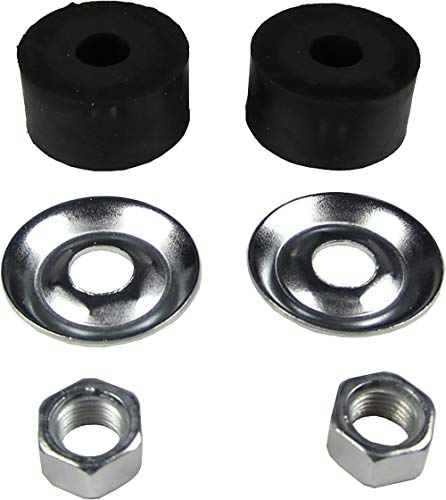
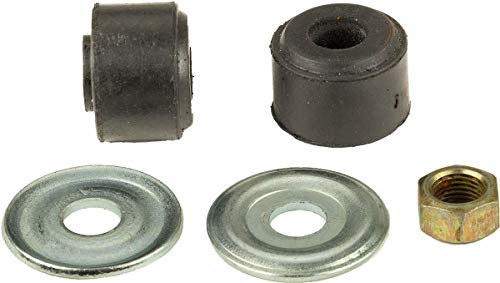
The most significant decision you will make is choosing between traditional rubber and modern polyurethane. Rubber bushings are the industry standard for a reason. They offer excellent vibration isolation. Because rubber is naturally compliant, it excels at absorbing the 'micro-vibrations' caused by rough pavement, providing a plush, comfortable ride. However, rubber is prone to cracking and tearing over time due to oil exposure and temperature fluctuations.
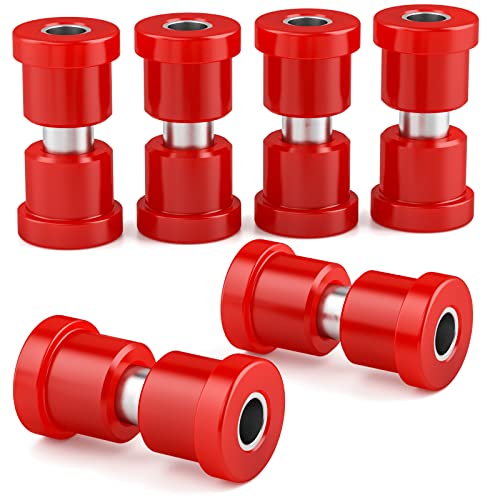
Polyurethane bushings, on the other hand, are much stiffer and more durable. They are often the preferred choice for enthusiasts seeking improved handling. Because they resist deformation better than rubber, they keep the suspension geometry more stable during aggressive cornering. The trade-off is a 'harsh' ride. You will feel more of the road's texture inside the cabin. If you prioritize comfort, stick to high-grade rubber. If you prioritize precision and track performance, opt for polyurethane.
Durometer and Hardness Ratings
When shopping for performance bushings, you may encounter terms referring to 'durometer,' which measures the hardness of the material. A lower durometer indicates a softer bushing, which is better for street driving and comfort. A higher durometer indicates a harder bushing, which provides better control but increases NVH (Noise, Vibration, and Harshness). When selecting a bushing, match the hardness to your vehicle's intended use. A heavy SUV designed for highway cruising requires softer compliance than a lightweight sports coupe built for autocross.
Compatibility and Fitment Precision
Bushings are not universal components. They are engineered to specific inner diameters (the hole where the bolt passes through) and outer diameters (the part that seats in the suspension arm). Even a fraction of a millimeter of play can lead to 'clunking' sounds and uneven tire wear. Always verify that the bushing is designed specifically for your vehicle's make, model, and year. Furthermore, consider whether the bushing is a 'service kit' that includes necessary hardware like specialized bolts or shims, as replacing old, corroded hardware alongside new bushings is essential for a successful installation.
Environmental Resistance and Longevity
Since shock bushings are located in the undercarriage, they are constantly bombarded by road salt, water, grease, and debris. Look for bushings that feature protective coatings or are specifically rated for high chemical resistance. If you live in a 'rust belt' region where salt is used on roads in winter, high-quality polyurethane or reinforced rubber with a protective sleeve will offer significantly better longevity than budget-grade alternatives that may degrade within a single season.