Material Composition: Rubber vs. Polyurethane
The most significant decision you will make is choosing between traditional rubber and aftermarket polyurethane. Rubber bushings are the industry standard for a reason: they offer superior vibration isolation. Because rubber is more compliant, it effectively 'soaks up' road harshness, providing the plush, quiet ride quality intended by the original equipment manufacturer. However, rubber is prone to cracking and degradation over time due to heat and oil exposure.
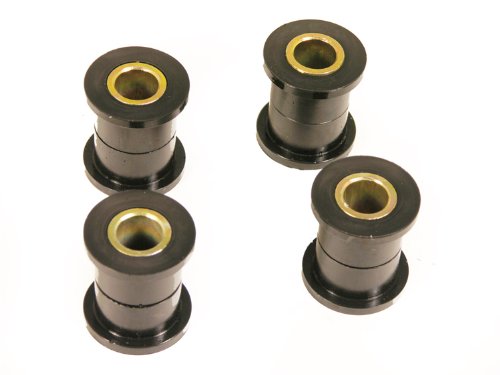
Polyurethane bushings, on the other hand, are favored by enthusiasts and performance drivers. They are significantly more durable and resistant to chemical degradation. The trade-off is stiffness. Because polyurethane does not compress as easily as rubber, you will likely feel more 'road feel' and potentially more vibration through the steering column. If you are looking for a daily commuter experience, stick to high-quality rubber. If you are building a track car or want sharper turn-in response, polyurethane is the way to go.
Durometer and Hardness Ratings
If you opt for polyurethane, you will encounter the term 'durometer,' which refers to the hardness of the material. A lower durometer indicates a softer bushing, which mimics the ride quality of rubber more closely. A higher durometer provides a much more rigid connection. When selecting performance bushings, consider your tolerance for NVH (Noise, Vibration, and Harshness). A bushing that is too hard for a street-driven car can make the driving experience fatiguing and noisy.
Precision Fitment and Geometry
Strut bushings are not universal components. They are engineered to specific tolerances to ensure the strut remains at the correct angle during suspension travel. When shopping, prioritize bushings that are designed to maintain original suspension geometry. Some cheap aftermarket options may offer a 'stiffer' feel but fail to account for the slight deflection required during cornering, which can lead to uneven tire wear or unexpected changes in toe and camber settings. Always look for components that specify they are direct replacements for original equipment dimensions.
Installation Considerations and Longevity
Consider the complexity of the installation before purchasing. Some high-performance bushings are sold as complete strut mounts, which include the bearing and the top plate. Replacing the entire assembly is often more cost-effective and easier than trying to press an old bushing out of an old mount. If you are performing a DIY installation, look for kits that include the necessary hardware, such as mounting nuts or specialized washers, to ensure you aren't left stranded mid-repair due to a rusted or stripped original bolt.