Understanding Tweeter Types and Mounting
The first decision you must make is whether you want a component set or a standalone tweeter. Component sets include a dedicated woofer, a tweeter, and a crossover, ensuring the frequencies are split perfectly between the drivers. If you are adding to an existing system, you may be looking for standalone tweeters. Additionally, consider the mounting style. Some tweeters come with 'bullet' designs for high-output, directional sound, while others feature flush-mount housings designed to sit neatly in your dashboard or A-pillars. If you aren't planning on custom fabrication, look for models that include versatile mounting hardware or 'pods' that allow for easy placement.
Frequency Response and Crossover Integration
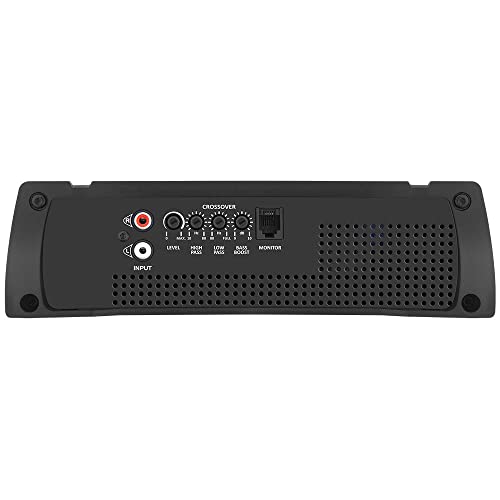
A common mistake in car audio is choosing a tweeter that tries to do too much. Tweeters are specialized tools meant for the upper registers. When browsing, look closely at the frequency response range. A tweeter that starts too low may attempt to play mid-range frequencies, leading to distortion or even physical damage to the driver. This is where the crossover becomes critical. A high-quality tweeter should either come with a dedicated passive crossover or be compatible with your amplifier's high-pass filter settings. The crossover acts as a gatekeeper, ensuring only the high-frequency signals reach the tweeter, which preserves clarity and longevity.
Sensitivity and Power Handling
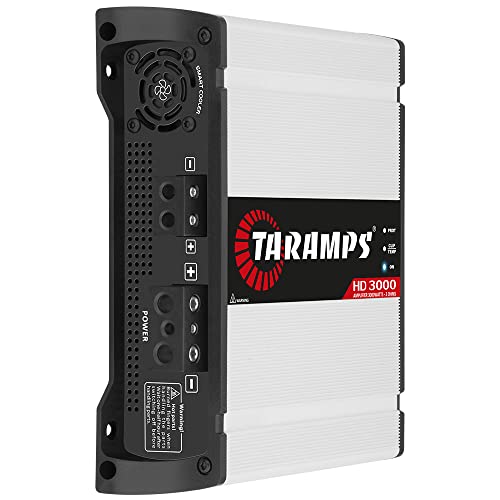
Sensitivity, measured in decibels (dB), is one of the most important metrics for car audio enthusiasts. High-sensitivity tweeters are more efficient, meaning they can produce loud, clear sound even when powered by a low-output factory head unit. If you are planning to use a dedicated external amplifier, you can afford to look for tweeters with lower sensitivity but higher power handling, as the amplifier will provide the necessary headroom. Always match the RMS power rating of the tweeter to your amplifier's output to avoid blowing the driver during high-volume listening sessions.
Material Composition and Sound Signature
The material used for the tweeter diaphragm significantly alters the 'flavor' of the sound. Silk dome tweeters are widely loved for their smooth, warm, and natural sound profile, making them excellent for long drives where you want to avoid 'listener fatigue.' On the other hand, metal-dome tweeters (often made of aluminum or titanium) tend to be much more aggressive, bright, and detailed. If you want your music to cut through heavy road noise with surgical precision, metal domes are the way to go. If you prefer a lush, musical experience, stick with silk.
Final Recommendation Logic
When making your final selection, use this logic: If you are a casual listener looking for an easy boost in clarity, prioritize high-sensitivity silk dome tweeters that can run off your factory radio. If you are an audiophile building a high-fidelity system, invest in a component set with high-quality passive crossovers and metal-dome drivers that can be driven by a dedicated amplifier to achieve maximum detail and dynamic range.