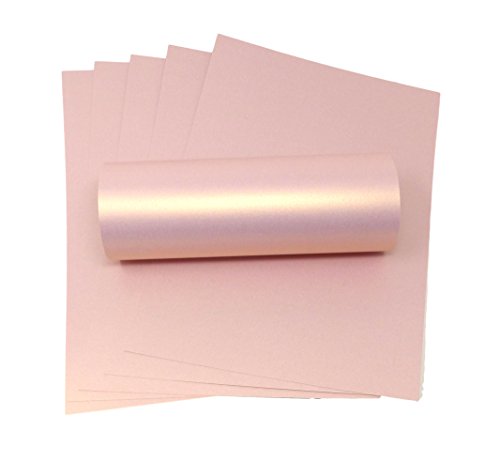
Understanding Paper Weight and GSM
The most critical decision factor when choosing card stock is the weight, typically measured in Grams per Square Meter (GSM). For Syntego products, the GSM dictates how much 'heft' your project will have. If you are working on lightweight scrapbooking elements or delicate origami, a lower GSM (around 160-200) offers flexibility and ease of folding without excessive bulk. However, for greeting cards, business cards, or structural papercraft, you should aim for a higher weight, typically between 240 and 300 GSM. A higher GSM provides the rigidity needed to stand upright or withstand handling without curling at the edges. Always match the weight to the structural requirements of your specific application.
Surface Finish and Texture
The finish of the stock significantly impacts how ink interacts with the paper and how the final product feels in the hand. Syntego offers a variety of finishes, including matte, glossy, and textured options. Matte finishes are ideal for writing, calligraphy, and projects where you want to avoid glare. They provide a sophisticated, understated look. Glossy finishes, on the other hand, make colors pop and give photos a vibrant, high-contrast appearance, making them perfect for decorative elements. If your project involves heavy ink saturation, such as professional inkjet printing, ensure the finish is optimized for your specific printer type to prevent bleeding or smudging.
Before purchasing a large bulk pack, consider your primary toolset. If you use electronic cutting machines, you need to ensure the card stock is compatible with the machine's pressure settings. Extremely thick stocks may require multiple passes or specific cutting mats to ensure clean, precise edges. Furthermore, consider the ink absorption. Some card stocks are designed with a specialized coating that allows inkjet printers to lay down ink smoothly without the paper warping. If you are using a laser printer, ensure the stock is rated for high-heat environments to avoid jams or surface damage within your machine.
Color Consistency and Opacity
For multi-page projects or layered crafts, color consistency is paramount. High-quality card stock should have a uniform color density across the entire sheet. Pay attention to opacity. If you are working with lighter colors or intend to print on both sides of the sheet, you want a stock that is dense enough to prevent 'show-through.' A low-opacity stock can make a two-sided card look unprofessional as the design from the reverse side bleeds through visually. For layered paper art, choosing a stock with high opacity allows you to stack colors without the bottom layer muddying the top layer.
Project-Specific Recommendation Logic
To make the final decision, use this logic: If you are creating 3D structures or heavy-duty packaging, prioritize high GSM (250+) and matte finishes for stability. If you are designing visual-heavy items like photo cards or decorative toppers, prioritize glossy finishes and medium weights (200-240 GSM). For fine detail work and calligraphy, choose a smooth, low-weight matte stock that allows for precision without resistance.