Material Composition and Durability
The primary factor in any cargo rack decision is the material used in its construction. Most high-tier racks are forged from powder-coated steel or lightweight aluminum alloys. Steel offers unparalleled strength and impact resistance, making it the ideal choice if you plan on securing heavy, dense objects like spare parts or metal toolkits. However, steel adds significant weight to your vehicle's center of gravity. Aluminum is the preferred choice for those prioritizing agility and fuel efficiency. While slightly less rigid than steel, modern high-grade aluminum racks provide an excellent strength-to-weight ratio, preventing your setup from becoming top-heavy during high-speed maneuvers or steep climbs.
Load Capacity and Weight Distribution
Before purchasing, you must calculate your maximum payload. A rack is only as good as its ability to handle the weight of your specific gear. Look for specifications that clearly define the 'static load' (weight when the vehicle is parked) versus the 'dynamic load' (weight while moving over bumps and uneven terrain). A rack that handles 100kg while stationary might only safely handle 50kg while bouncing over rocks. Furthermore, consider the mounting points. A well-designed rack will distribute weight evenly across the chassis or roof rails to prevent structural stress on your vehicle. If you intend to carry asymmetrical loads, such as a single large supply crate on one side, ensure the rack features adjustable tie-down points to prevent shifting.
Mounting Systems and Compatibility
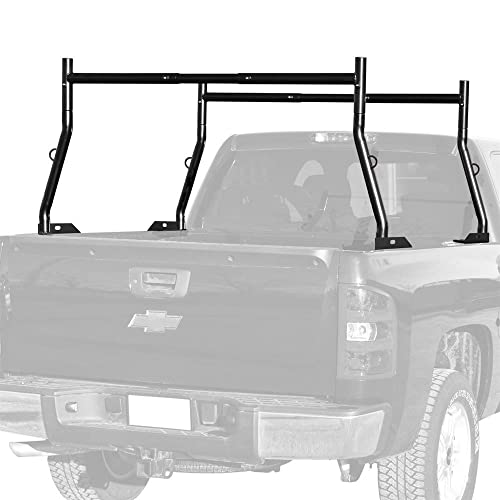
Compatibility is where many buyers stumble. Cargo racks generally fall into three categories: roof-mounted, bed-mounted, or hitch-mounted. Roof racks must integrate seamlessly with your existing roof rails or gutters. If your vehicle lacks pre-installed rails, you will need a rack that includes specialized mounting feet. For those using utility vehicles, bed-mounted racks offer the most stability but require precise measurements to ensure they don't interfere with the tailgate or rear window. Always verify the mounting hardware—look for stainless steel or galvanized bolts to prevent rust and ensure that the vibration of off-road travel doesn't loosen your setup mid-mission.
Modular Features and Accessory Integration
The best cargo racks are not static platforms. They are modular ecosystems. When shopping, look for racks that feature integrated mounting tracks (such as T-slots or Aero rails). These allow you to bolt on additional accessories like shovel mounts, recovery jack holders, or LED light bars. The ability to customize your rack means it can evolve as your tactical needs change. If you find yourself carrying more specialized electronics, a rack with built-in cable management or weather-resistant compartments becomes an invaluable asset. A modular rack ensures that your gear is not just carried, but organized and protected.