Identify Your Primary Health Objective
The first step in selecting a carotenoid supplement is determining which specific pigment aligns with your wellness goals. Carotenoids are not a monolithic group. They serve different physiological niches. If your focus is vision protection and macular health, you should prioritize formulas containing a synergistic blend of lutein and zeaxanthin. These two pigments accumulate in the retina to filter harmful blue light. If you are looking for skin health and cellular defense against oxidative stress, astaxanthin is often considered the gold standard due to its unique ability to cross cell membranes. For cardiovascular support and prostate health, lycopene is the most researched option. A high-quality supplement will often feature a 'complex' rather than a single isolated ingredient, as many carotenoids work more effectively when they act in concert.
Prioritize Bioavailability and Lipid-Based Delivery
One of the most critical technical aspects of carotenoid supplementation is how the product is delivered. Carotenoids are strictly fat-soluble, meaning they require dietary lipids to be absorbed through the intestinal wall. When reviewing capsule options, look for those that incorporate a carrier oil, such as organic extra virgin olive oil, sunflower oil, or avocado oil. Avoid products that offer dry, powdered carotenoids without a lipid component, as these are significantly less bioavailable and may lead to wasted supplementation. Furthermore, check if the manufacturer uses specialized delivery technologies like liposomal encapsulation, which can further enhance the rate at which these pigments enter your bloodstream.
Evaluate Source Purity and Extraction Methods
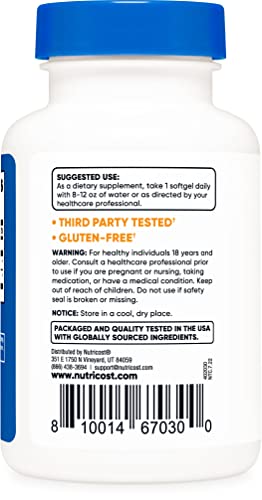
The method used to extract carotenoids from their natural sources can impact both the potency and the safety of the supplement. Many premium brands use supercritical CO2 extraction, which uses pressurized carbon dioxide to pull the pigments from plants without the need for harsh chemical solvents like hexane. This method preserves the molecular integrity of the carotenoids. Additionally, ensure the brand provides third-party testing certifications. Because many carotenoids are derived from botanical sources, it is vital to ensure the product is free from heavy metals, pesticides, and synthetic fillers that could negate the antioxidant benefits of the supplement.
Check for Synergistic Additives and Dosage Accuracy
A superior carotenoid capsule often includes secondary nutrients that enhance the primary pigment's function. For example, a lutein supplement that also includes vitamin C or E can provide a more robust antioxidant network. However, be wary of 'proprietary blends' that do not disclose the exact milligram dosage of each individual carotenoid. To ensure you are getting a therapeutic dose, look for labels that provide a transparent 'Supplement Facts' panel with specific amounts for every ingredient. Aim for standardized extracts where the concentration of the active carotenoid is guaranteed, rather than just the weight of the raw plant material.