Determine Your Primary Use Case
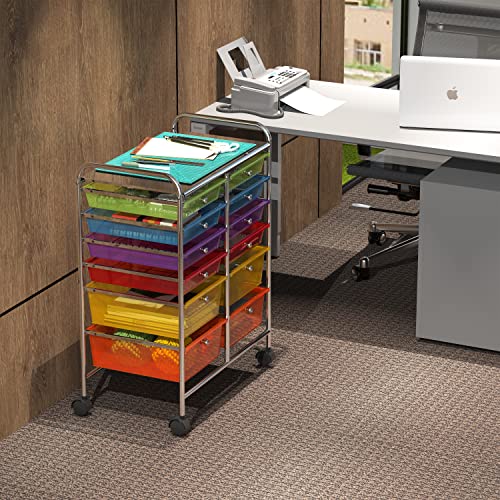
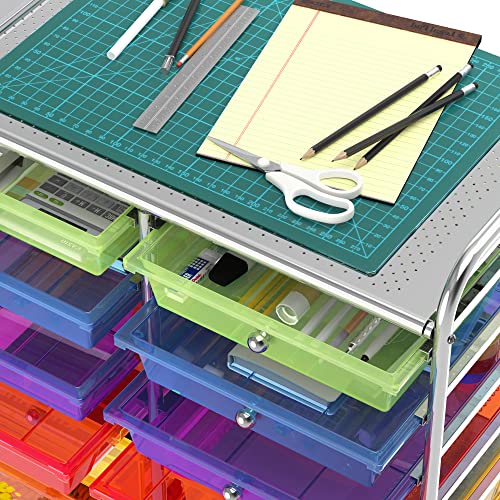
The first step in your selection process is defining the environment where the cart will live. This dictates almost every other technical specification. If you are looking for a kitchen cart, prioritize heat resistance and easy-to-clean surfaces like metal or treated wood. For a craft or office cart, look for deep tiers that can hold bulky supplies or slim profiles that slide into small gaps between desks. If the cart is intended for a bathroom or laundry room, moisture resistance is paramount; avoid particle board which can swell and degrade in humid environments, and opt instead for powder-coated steel or high-quality plastic.
Material Durability and Aesthetic Integration
Materials fall into three main categories: metal, wood, and plastic. Metal carts, particularly those made of steel, offer the highest weight capacity and are generally the most durable for heavy items like canned goods or tools. They often feature a modern, industrial aesthetic. Wood carts provide a warmer, more permanent furniture feel, making them ideal for living rooms or dining areas, but they are more susceptible to water damage. Plastic carts are lightweight, budget-friendly, and entirely waterproof, making them perfect for kids' rooms or damp areas, though they typically lack the structural rigidity required for heavy loads.
Weight Capacity and Tier Configuration
Before purchasing, always check the maximum weight capacity per shelf. A common mistake is buying a stylish cart for a pantry only to find the bottom tier sags under the weight of heavy liquids or appliances. Look for reinforced frames or cross-bracing if you plan on storing dense items. Additionally, consider the tier configuration. Three-tier carts are the standard for versatility, but if you are storing tall items like cleaning supplies or large kitchen mixers, you may need a cart with adjustable shelf heights. A cart with open sides allows for easier access and visibility, whereas a cart with solid sides or a wrap-around rim can prevent items from sliding off during movement.
Mobility and Wheel Quality
The 'rolling' aspect of a cart is its most critical feature. Pay close attention to the type of casters (wheels) provided. Hard plastic wheels are fine for smooth hardwood or tile, but they can be noisy and may scratch delicate surfaces. If you plan to move the cart over rugs or uneven flooring, look for rubberized or silicone-coated wheels, which provide a smoother, quieter glide. Furthermore, ensure the cart includes locking mechanisms on at least two of the wheels. This is essential for stability; a cart that rolls away while you are trying to reach for an item is a safety hazard and a major inconvenience.Measure your intended space twice. Remember to account for the 'swing radius'—the amount of space needed to maneuver the cart into position. A cart that fits perfectly in a corner might be impossible to use if there isn't enough clearance to pull it out and access the middle shelves. If you are working with extremely tight quarters, look for 'slimline' or narrow-profile carts designed specifically to fit in the gaps between appliances or along narrow hallways.