Prioritize Material Texture and Density
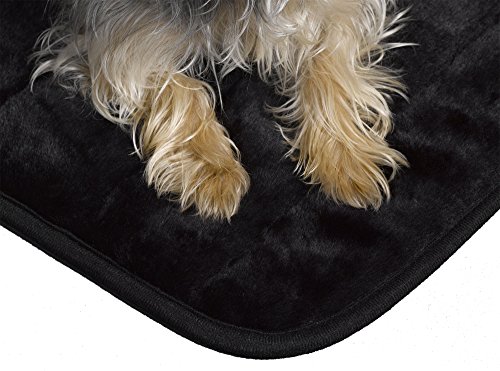
The primary function of a cat bed mat is to offer a tactile experience that mimics the security of a mother's warmth or a soft nesting spot. When evaluating these mats, look closely at the fabric density. A mat that is too thin will allow the hard floor or the base of a pet crate to press against your cat's joints, which can be uncomfortable for senior cats or those with mobility issues. Conversely, a mat with high-loft padding provides excellent cushioning but may become too bulky for smaller enclosures. For cats that enjoy 'kneading' or 'making biscuits,' a textured fleece or a tightly woven microfiber is ideal, as it provides enough resistance to feel satisfying without being abrasive.
Consider the Thermal Regulation Factor
Cats have a higher basal body temperature than humans, which means they are highly sensitive to heat retention. Depending on your climate and your cat's breed, you should choose a mat based on its thermal properties. If you live in a warmer region or have a long-haired breed like a Persian, look for mats designed with breathable, moisture-wicking fabrics that prevent overheating during long naps. If you are looking to provide extra warmth during winter months, seek out mats with thicker insulating layers. The goal is to find a balance where the mat provides comfort without turning the sleeping area into a heat trap.
Evaluate Ease of Maintenance and Hygiene
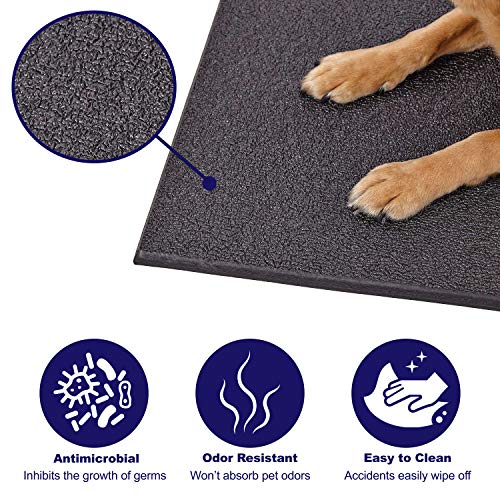
Cat mats are magnets for shedding fur, dander, and occasional accidents. A high-quality mat should be designed with the reality of pet ownership in mind. Always check if the mat is fully machine washable. Some mats feature removable covers, which is a significant advantage because it allows you to deep-clean the outer layer frequently without risking damage to the internal padding. Look for materials that dry quickly. A mat that stays damp for hours after washing can develop odors or even mold, which is detrimental to your pet's health. Non-slip backing is another critical feature to look for, ensuring the mat stays in place when your cat jumps into or out of their bed.
Size and Fit for Specific Enclosures
Since many of these mats are designed to complement specific pet habitats, such as hooded beds or travel carriers, measuring your existing setup is non-negotiable. A mat that is too large will bunch up, creating uncomfortable lumps and potentially obstructing the door of a crate. A mat that is too small leaves the edges of the hard floor exposed, defeating the purpose of the cushion. Aim for a mat that covers the majority of the floor space within the enclosure while leaving enough room for air circulation around the perimeter.
Recommendation Logic
When making your final decision, follow this hierarchy: First, identify your cat's sleeping style (do they curl up or stretch out?). Second, determine the primary environment (is this for a permanent indoor nook or a portable carrier?). Third, prioritize the cleaning method. If you want a low-maintenance lifestyle, go for the fully machine-washable, slip-resistant options. If your cat is a senior, prioritize the highest density of padding to support their joints.