Prioritize EPA and DHA Concentration
When evaluating capsule cat fish oil, the most common mistake is looking at the total amount of 'fish oil' rather than the specific concentration of Omega-3 fatty acids. The two most vital components are Eicosapentaenoic Acid (EPA) and Docosahexaenoic Acid (DHA). EPA is primarily responsible for managing systemic inflammation, which is vital for cats with arthritis or skin sensitivities, while DHA is crucial for neurological health and retinal function. A high-quality supplement will clearly list the milligrams of EPA and DHA per capsule on the supplement facts label. If a product boasts 1000mg of fish oil but only provides 150mg of combined EPA/DHA, you are essentially paying for filler oil. Look for high-potency formulas where these two fatty acids make up the bulk of the capsule's content.
Source Matters: Purity and Sustainability
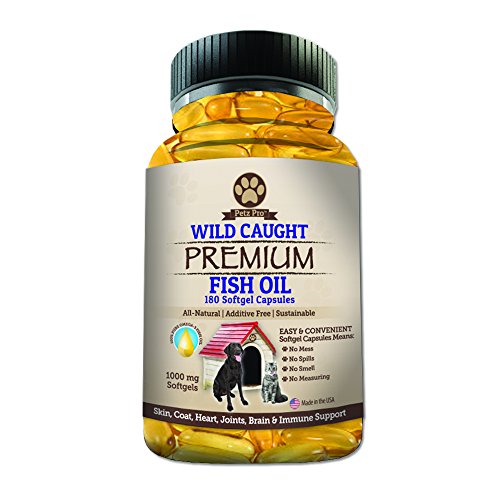
Because fish sit lower on the food chain, they can accumulate environmental toxins like mercury, PCBs, and dioxins. To mitigate this risk, prioritize supplements that utilize small, wild-caught fish such as anchovies, sardines, or mackerel. These species have shorter lifespans and lower toxin accumulation rates compared to larger predatory fish. Furthermore, look for brands that utilize molecular distillation, a process that strips away heavy metals and impurities while preserving the integrity of the fatty acids. If a brand mentions third-party testing or certifications for purity, it provides an extra layer of security for your cat's long-term health.
Check for Freshness and Oxidation Levels
Fish oil is highly susceptible to oxidation, a process where the oil turns rancid due to exposure to heat, light, or air. Consuming oxidized oil can actually trigger inflammation in your cat, defeating the entire purpose of the supplement. You can often detect rancidity by smell. If the capsules have a sharp, overwhelmingly foul, or 'off' odor, they have likely oxidized. To prevent this, choose supplements packaged in dark, opaque bottles or individual blister packs to minimize light exposure. Additionally, check the manufacturing and expiration dates. High-quality brands often include antioxidant additives like Vitamin E (tocopherols) within the capsule to help stabilize the oil and prevent spoilage.
Capsule Type and Bioavailability
For cats, the delivery method is key to compliance. Softgel capsules are generally preferred because they protect the oil from the environment and are easy to administer. Some owners choose to puncture the capsule and mix the oil directly into wet food, which is an excellent way to ensure even the pickiest eaters get their dosage. When selecting a capsule, ensure it is free from artificial colors, flavors, or unnecessary additives like soy or corn oil, which can add empty calories and potential allergens to your pet's diet. A pure, single-source fish oil is always superior to a blend containing cheap vegetable oils.
Decision Logic Summary
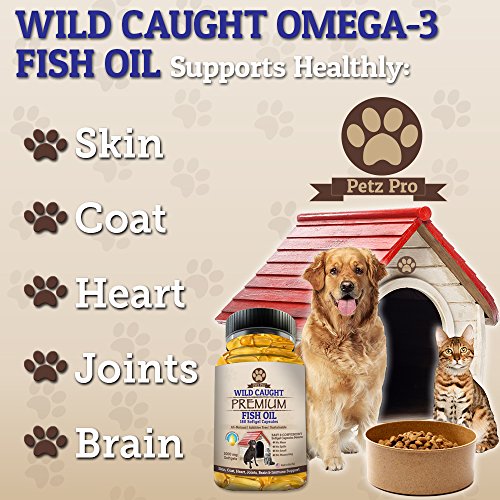
When making your final selection, follow this hierarchy: First, verify the EPA/DHA levels to ensure potency. Second, confirm the source is a small, wild-caught fish that has undergone rigorous purification. Third, ensure the packaging is designed to prevent oxidation. By focusing on these technical specifications rather than marketing claims, you can confidently select a supplement that promotes a shiny coat, healthy joints, and a vibrant life for your cat.