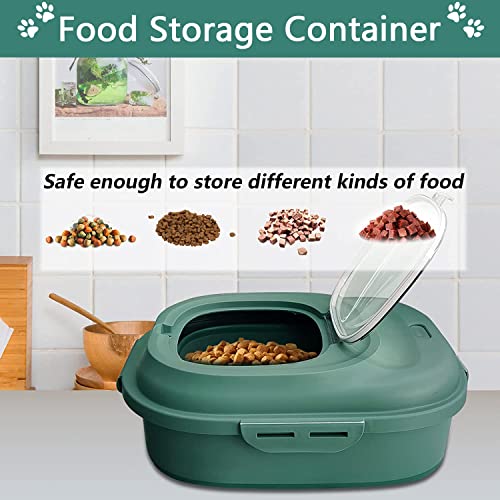
Material Durability and Food Safety
When selecting a storage container, the material is your first line of defense. High-density polyethylene (HDPE) is a gold standard because it is impact-resistant and easy to sanitize. Avoid thin, brittle plastics that can crack under the weight of heavy kibble or when moved frequently. If you are storing large quantities, look for BPA-free materials to ensure no chemical leaching occurs, especially if your cat is prone to sensitive digestion. While stainless steel options offer superior longevity and a complete scent barrier, they are significantly heavier and more expensive. For most households, a heavy-duty, food-grade plastic bin offers the best balance of weight and protection.
The Mechanics of the Latch System
The 'latch' in latch cat food storage is the most critical component. Not all latches are created equal. There are typically three styles to consider: tension-fit lids, side-clamping latches, and gasket-sealed lids. For maximum freshness, look for a container that combines a heavy-duty side latch with a silicone or rubber gasket. The gasket creates an airtight seal that prevents the natural oils in the kibble from oxidizing, which is what causes that 'stale' smell. If you have a particularly clever cat, avoid simple 'press-on' lids. They are easily nudged open. A mechanical latch that requires a deliberate squeeze or pull is much more effective at keeping your pet out of the stash.
Before purchasing, perform a quick audit of your current supply. Do you buy small 5lb bags weekly, or massive 25lb bags once a month? Your storage choice must match your purchase cycle. A bin that is too small will require you to transfer food between multiple containers, increasing the risk of spills and exposure. However, a bin that is too large can lead to 'dead space' where air can circulate, potentially degrading the food. Aim for a container that allows you to store at least one full bag with a little room to spare. Additionally, consider your kitchen or pantry layout. Many modern latching bins are designed with stackable features or slim profiles to maximize vertical space in small apartments.
Pest Resistance and Odor Control
Cat food has a potent aroma that can attract ants, mice, or even other household pets. A robust latching mechanism does more than just keep the food in. It keeps the scent in. If you can smell the kibble from across the room, the seal is likely insufficient. A tight-sealing latching system acts as an olfactory barrier, preventing the scent from alerting pests to your pantry. When evaluating a product, check if the lid fits flush against the rim. Any gaps, no matter how small, can become entry points for insects or allow moisture to seep in, leading to mold growth within the kibble.
Ease of Maintenance
Finally, consider how you will clean the unit. Food oils can build up in the corners of a bin over time, becoming rancid. Look for containers with rounded interior corners rather than sharp 90-degree angles, as these are much easier to wipe down. Ensure the latch mechanism is removable or can be easily cleaned, as crumbs and dust often get trapped in the hinge or locking points. A bin that is difficult to clean will eventually become a breeding ground for bacteria, defeating the entire purpose of hygienic storage.