Material Durability and Weight Considerations
The most critical factor when selecting a tag for a feline is the weight-to-strength ratio. Unlike dogs, who can carry heavy brass or thick stainless steel plates, cats are sensitive to extra weight around their necks. A tag that is too heavy can cause discomfort, affect their balance, or even cause irritation to the skin during grooming and sleep. Look for materials like high-grade stainless steel or lightweight aluminum. Stainless steel is preferred for its resistance to corrosion and scratching, ensuring that the engraving remains deep and readable even if the cat spends time outdoors or in damp environments. Aluminum offers a lighter alternative but may show wear faster over several years of heavy use.
Engraving Legibility and Longevity
An ID tag is only useful if it can be read at a glance. When evaluating udesignusa options, pay close attention to the depth and style of the engraving. Laser engraving is generally superior to printed text because it physically etches the information into the metal, preventing the details from fading due to friction against collars or exposure to sunlight. For maximum effectiveness, ensure the tag provides enough surface area for at least two key pieces of information: your primary phone number and perhaps a secondary contact or a brief medical note (such as 'Needs Medication'). Avoid overly decorative fonts that sacrifice clarity for aesthetics. In an emergency, a clear sans-serif font is your best friend.
Attachment Mechanisms and Safety
How the tag attaches to the collar is just as important as the tag itself. You should look for a secure ring mechanism that prevents the tag from sliding off or getting caught on furniture. For cats, a 'silent' tag is often preferred. Many traditional metal tags create a constant jingling sound whenever the cat moves. If you have a cat that is easily startled by noise, look for tags with a smooth, rounded shape that minimizes clinking, or consider a design that allows the tag to sit flush against the collar. Additionally, ensure the attachment loop is sturdy enough to withstand the vigorous scratching and rubbing that cats frequently do.
Shape and Ergonomics
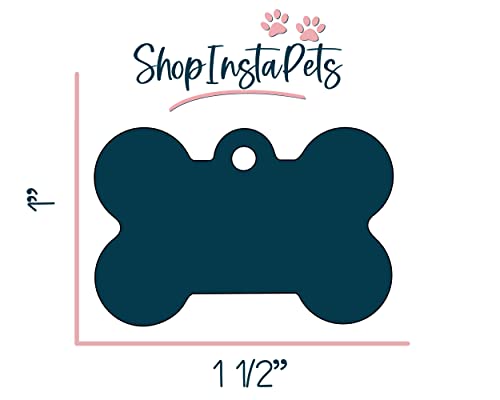
The physical silhouette of the tag matters for long-term comfort. Sharp, angular shapes can snag on carpets, bedding, or the cat's own fur, leading to discomfort or even small tears in the collar. Opt for rounded edges and a streamlined profile. A circular or oval shape is generally the most ergonomic choice for a cat, as it distributes weight evenly and reduces the likelihood of the tag flipping awkwardly when the cat is navigating tight spaces or climbing. By prioritizing a lightweight, deeply engraved, and ergonomically shaped tag, you provide your pet with a reliable safety net that stays comfortable 24/7.