Prioritizing Audio Fidelity and Bitrate
The most critical factor when selecting a CD recorder is the quality of the internal circuitry. A mediocre recorder may burn a disc that plays, but it might introduce jitter or digital noise during the mastering process. Look for devices that emphasize high-quality DACs (Digital-to-Analog Converters) and stable clocking mechanisms. If your goal is to record from an external source—such as a turntable or a tape deck—ensure the device supports high-resolution sampling rates. A recorder that can handle 24-bit audio depth will provide a much more transparent transfer than a standard consumer-grade unit, ensuring that the nuance of your source material is captured accurately on the disc.
A recorder is only as good as the signals it can accept. When evaluating your options, consider the specific inputs available. For purists, RCA analog inputs are a necessity for connecting vintage gear. However, for those looking to bridge the gap between modern and legacy media, look for units that offer optical or coaxial digital inputs. This allows you to bypass unnecessary conversions, maintaining a cleaner signal path from your digital player directly to the recording engine. Additionally, check for the presence of headphone jacks with dedicated amplification. If you plan on monitoring your recordings in real-time, the quality of the output jack can significantly impact your ability to hear subtle imperfections.
User Interface and Recording Control
Recording is a precision task. You want a device that offers intuitive control over levels and tracks. Avoid units that rely solely on tiny, non-responsive buttons if you plan on frequent use. Instead, look for recorders with clear LCD displays that provide real-time feedback on track duration, remaining disc space, and, most importantly, input levels. The ability to adjust gain levels manually is a vital feature. If the input signal is too hot, you will encounter digital clipping, which permanently distorts the recording. A well-designed interface will allow you to monitor these levels visually to ensure a clean, peak-optimized burn every time.
Build Quality and Portability vs. Stability
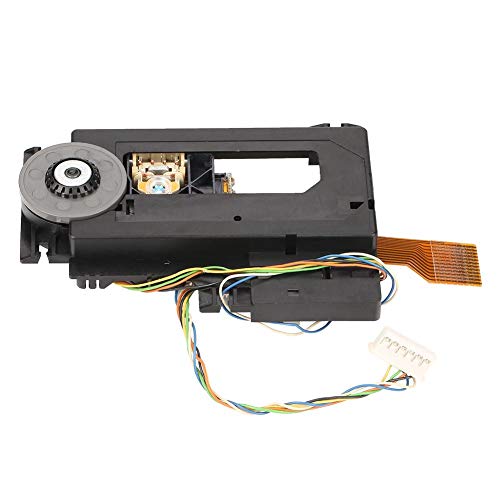
Determine whether your use case requires a stationary desktop unit or a more portable solution. Desktop recorders often feature larger transformers and better heat dissipation, which can lead to more stable performance during long burning sessions. Portable units, while convenient, may sacrifice some of the heavy-duty shielding required to prevent electromagnetic interference. Regardless of the form factor, inspect the build quality of the disc tray and the laser assembly. A smooth, motorized tray and a quiet drive mechanism are indicators of a device built to last, preventing the mechanical failures that often plague cheaper, plastic-heavy alternatives.
Final Decision Logic
To make your final choice, match the device to your primary source. If you are a vinyl enthusiast, prioritize analog input quality and gain control. If you are a digital archivist, prioritize optical connectivity and bit-perfect recording capabilities. By focusing on signal integrity and interface precision rather than just brand recognition, you will secure a tool that serves as a reliable bridge between your favorite audio formats and the enduring medium of the compact disc.