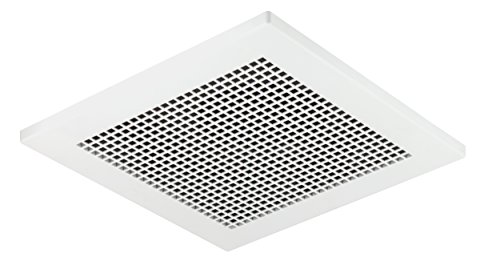
Understanding Airflow Dynamics and CFM Ratings
The most critical metric when evaluating any Delta Breez fan is Cubic Feet per Minute (CFM). This measurement tells you exactly how much air the fan can move in a single minute. For a small bedroom, a lower CFM might suffice, but for expansive open-concept living areas, you should prioritize models with higher CFM ratings to prevent stagnant air pockets. However, do not chase high CFM blindly. Look for the relationship between CFM and noise levels. A well-designed fan will move significant air volume without the turbulent 'buffeting' sound often found in cheaper, less balanced models.
Motor Technology: DC vs. AC
One of the most significant decision factors in the modern fan market is the choice between AC (Alternating Current) and DC (Direct Current) motors. Delta Breez often utilizes advanced motor technology to improve efficiency. DC motors are generally superior for long-term savings. They consume significantly less electricity and offer a much wider range of speed settings. While an AC motor is reliable and often more budget-friendly upfront, a DC motor provides the granular control necessary for fine-tuning your environment—allowing for a whisper-quiet 'sleep mode' or a powerful 'turbo mode' for hot summer afternoons.
Blade Geometry and Material Integrity
The efficiency of a fan is heavily dictated by its blade pitch—the angle at which the blades meet the air. A steeper pitch can move more air but may require a more powerful motor to maintain speed. When browsing the Delta Breez lineup, pay close attention to the blade material. High-quality composites or treated woods offer better stability and less wobbling over time compared to thin plastic alternatives. A stable fan is a quiet fan. Any oscillation in the blades will lead to mechanical wear and distracting rhythmic noises that diminish the comfort of the room.
Smart Integration and Control Options
Modern living demands convenience, and ceiling fans are no exception. When selecting your fan, consider how you intend to operate it. Some models come equipped with integrated smart technology, allowing for voice control or smartphone integration via home automation ecosystems. If you prefer traditional methods, ensure the fan is compatible with your existing wall switches or comes with a high-quality remote control that offers intuitive access to all speed and direction settings. The ability to toggle the 'reverse function' is also vital. Reversing the direction in winter helps circulate trapped warm air from the ceiling back down to the living zone.
Sizing and Installation Considerations
Finally, consider the physical footprint of the fan in relation to your ceiling height. For standard 8-to-9-foot ceilings, a flush-mount or low-profile design is ideal to maintain a sense of space. If you have vaulted or high ceilings, you will likely need a downrod extension to bring the fan into the optimal airflow zone. A fan that is too small for a room will struggle to circulate air, while one that is too large can overwhelm the visual aesthetic of the space. Always measure your room's square footage before committing to a specific blade span to ensure optimal coverage.