Prioritizing Material Integrity and Ergonomics
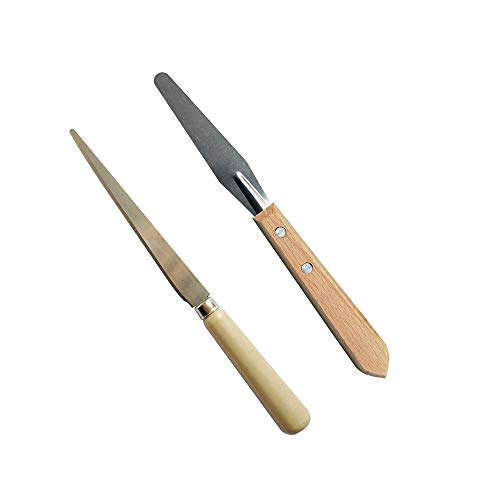
When evaluating ceramic tools, the first thing to consider is the material composition. In pottery, tools serve different masters: some must be rigid to carve through dried leather-hard clay, while others must be soft and flexible to smooth out throwing marks on a spinning wheel. Look for tools with high-density wood, stainless steel, or high-grade silicone. Stainless steel is particularly vital for tools used in detailing and trimming, as it resists rust from constant exposure to water and prevents the buildup of clay residue that can smudge your work. Ergonomics also play a massive role. Since pottery involves repetitive motions, tools with balanced weight and comfortable grips will prevent hand fatigue during long studio sessions.
The 'color life' aspect of ceramic art often involves heavy emphasis on texture and glaze interaction. If your goal is to create surfaces that catch light and pigment in unique ways, you need a kit that prioritizes texture-making tools. Look for sets that include various rib shapes—both wooden and metal—which are essential for smoothing transitions and creating rhythmic patterns. Additionally, check for the inclusion of fine-point detailing tools and loop tools. Loop tools are indispensable for removing excess clay during the trimming process, allowing you to refine the foot of a vessel or create hollowed-out sculptural elements without compromising the structural integrity of the piece.
Not all pottery stages require the same equipment. A common mistake is buying a generic kit that lacks the specificity needed for your preferred stage of production. If you primarily work with slip and liquid glazes, you will need sponges and soft brushes that can apply color evenly without leaving streaks. If you focus on the leather-hard stage (where the clay is firm but still workable), you should prioritize needle tools, modeling tools, and carving implements. A well-rounded kit should offer a spectrum of hardness: soft enough to manipulate wet clay, but sturdy enough to shape clay that has begun to set.
Key Decision Factors: Maintenance and Longevity
Finally, consider the longevity of your investment. Ceramic tools are subject to abrasive environments. Avoid tools with overly intricate handles that might trap clay particles, making them difficult to clean. The best tools are those that can be easily wiped down and dried to prevent oxidation or bacterial growth. When choosing between a budget-friendly starter set and a professional-grade kit, ask yourself if you need specialized precision. If you are moving beyond basic pinching and coiling into complex wheel-throwing or detailed sculptural relief, investing in higher-quality, specialized steel tools will pay dividends in the precision of your work and the longevity of your creative process.