Surface Material and Writeability
The most important component of any chalkboard is the writing surface itself. Not all boards are created equal. Some utilize a traditional slate finish, which offers a deep, matte texture that is excellent for high-contrast chalk writing but can be harder to erase completely if left for long periods. Others use modern composite materials designed to be 'ghost-free,' meaning they are engineered to prevent the 'shadowing' effect where old chalk dust leaves a permanent haze on the board. When shopping, consider how often you plan to erase the surface. If you are using the board for daily menus or rotating classroom lessons, prioritize a smooth, easy-wipe surface to prevent buildup.
Frame Construction and Durability
The frame does more than just hold the board together. It dictates the longevity and the visual style of the product. For heavy-duty use, such as in a workshop or a high-traffic classroom, look for reinforced wooden or sturdy composite frames. If the chalkboard is intended to be a decorative element in a living room or dining area, you might prefer a lightweight aluminum frame or a decorative wooden border that complements your interior design. Pay close attention to the corners and joinery. A well-constructed board should feel rigid and not flex when pressure is applied during writing.
Mounting Options and Installation
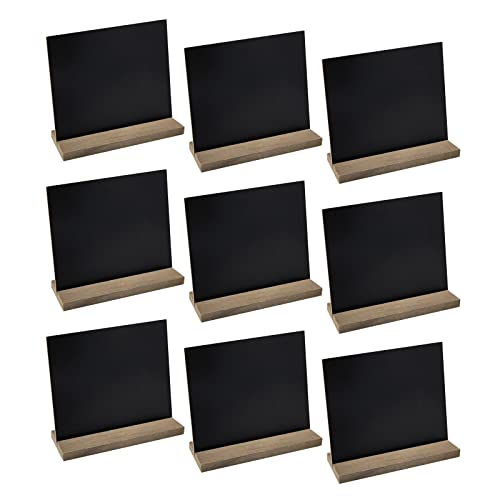
Before purchasing, you must determine how the chalkboard will be displayed. Some models are designed for wall mounting and come with pre-installed hardware like sawtooth hangers or D-rings. Others are freestanding, designed to sit on a tabletop, easel, or countertop. If you are mounting a larger board, ensure you have the appropriate wall anchors, especially if you are attaching it to drywall. For those who move frequently, lightweight boards with simple hanging mechanisms are more convenient, whereas permanent installations can support much larger, heavier, and more professional-grade surfaces.
Size and Spatial Planning
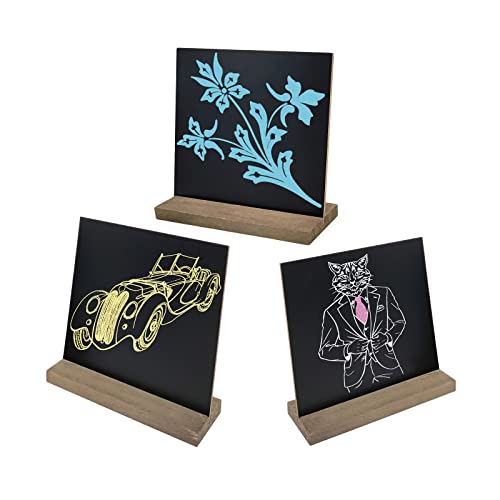
Size is a critical decision factor that depends entirely on the intended use case. A small, handheld or tabletop chalkboard is perfect for labeling spice jars or writing short daily reminders. However, if you are using the board for brainstorming, teaching, or large-scale scheduling, you will need a significant amount of 'white space.' Measure your intended wall area before buying to ensure the board doesn't overwhelm the room or, conversely, look too small for its purpose. Remember to account for the 'margin of error'—you need space around the edges for your hands to move comfortably while writing.Maintenance and Longevity
To ensure your chalkboard remains a functional tool rather than a dusty eyesore, consider the maintenance requirements. High-quality boards are easier to clean with a simple damp cloth, but some may require specialized chalkboard cleaners to maintain their pristine surface. Avoid using abrasive sponges that can scratch the writing surface, as these micro-scratches will trap chalk dust and make future erasing much more difficult. Investing in a board that is easy to maintain will save you time and frustration in the long run.