#TOP1

Designing a chemical plant is a high-stakes engineering endeavor where the margin for error is virtually non-existent. Unlike standard manufacturing facilities, a chemical plant must manage complex thermodynamics, volatile fluid dynamics, and rigorous safety protocols. Selecting the right design software, simulation tools, or engineering consultancy services is not merely a matter of budget, but a critical decision regarding operational safety, regulatory compliance, and long-term profitability. A well-designed plant minimizes waste, optimizes energy consumption, and ensures that every reaction occurs within strictly defined kinetic and thermal parameters.
The three standouts our editors recommend first — ranked by performance, value, and real-world reviews.


Microbiology Coloring Book: Incredibly Detailed Self-Test Color workbook for Studying | Perfect Gift for Medical School Students, Physicians & Chiropr...
| SELLER | SELLER SCORE | AMAZON FULFILLED | PRIME | FREE SHIPPING |
|---|---|---|---|---|
| Amazon.com | 9.68 | Yes | Yes | Yes |
Medical students drowning in complex terminology need this tactile approach to master the microscopic world. The Microbiology Coloring Book by Muze Publishing transforms passive reading into an active, hands-on learning session that actually sticks. Instead of just staring at static diagrams in a heavy textbook, you are using color to map out intricate structures, which is a game-changer for long-term retention. It serves as a highly detailed self-test tool, making it an essential resource for anyone prepping for rigorous exams in medical school or professional clinical practice. Whether you are a physician looking to refresh your foundational knowledge or a student trying to visualize cellular mechanics, this workbook turns a stressful study session into a focused, engaging ritual.
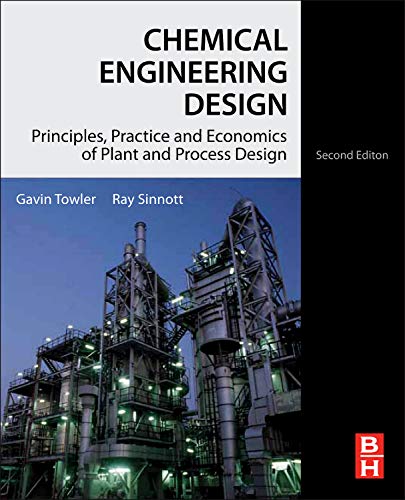


Chemical Engineering Design: Principles, Practice and Economics of Plant and Process Design
| SELLER | SELLER SCORE | AMAZON FULFILLED | PRIME | FREE SHIPPING |
|---|---|---|---|---|
| textbooks_source | 9.76 | No | No | No |
Aspiring process engineers and senior design students require this specific text to bridge the gap between theoretical thermodynamics and real-world industrial application. Butterworth-Heinemann has crafted a comprehensive resource that doesn't just focus on the math, but dives deep into the economic realities of plant and process design. Since this particular copy is a used book in good condition, it offers a much more accessible entry point for students on a budget who still need a reliable, authoritative reference for their capstone projects. It covers the essential principles and practical economics that transform a simple calculation into a viable, functional engineering plan. Having a solid foundation in these integrated disciplines is what separates a student from a professional practitioner in the field.

| SELLER | SELLER SCORE | AMAZON FULFILLED | PRIME | FREE SHIPPING |
|---|---|---|---|---|
| Clickgoodwill | 9.90 | No | No | No |



| SELLER | SELLER SCORE | AMAZON FULFILLED | PRIME | FREE SHIPPING |
|---|---|---|---|---|
| Zoom Books Company | 9.92 | No | No | No |

| SELLER | SELLER SCORE | AMAZON FULFILLED | PRIME | FREE SHIPPING |
|---|---|---|---|---|
| onceuponatimebooks | 9.87 | No | No | No |


| SELLER | SELLER SCORE | AMAZON FULFILLED | PRIME | FREE SHIPPING |
|---|---|---|---|---|
| Bookadia- | 9.75 | No | No | No |


| SELLER | SELLER SCORE | AMAZON FULFILLED | PRIME | FREE SHIPPING |
|---|---|---|---|---|
| HealthScience&Technology | 9.54 | No | No | No |


| SELLER | SELLER SCORE | AMAZON FULFILLED | PRIME | FREE SHIPPING |
|---|---|---|---|---|
| Amazon.com | 9.68 | Yes | Yes | Yes |

| SELLER | SELLER SCORE | AMAZON FULFILLED | PRIME | FREE SHIPPING |
|---|---|---|---|---|
| Amazon.com | 9.68 | Yes | Yes | Yes |

| SELLER | SELLER SCORE | AMAZON FULFILLED | PRIME | FREE SHIPPING |
|---|---|---|---|---|
| Basi6 International | 9.59 | No | No | No |

| SELLER | SELLER SCORE | AMAZON FULFILLED | PRIME | FREE SHIPPING |
|---|---|---|---|---|
| Big River Books LLC | 9.91 | No | No | No |

| SELLER | SELLER SCORE | AMAZON FULFILLED | PRIME | FREE SHIPPING |
|---|---|---|---|---|
| Amazon.com | 9.68 | Yes | Yes | Yes |

| SELLER | SELLER SCORE | AMAZON FULFILLED | PRIME | FREE SHIPPING |
|---|---|---|---|---|
| Amazon.com | 9.68 | Yes | Yes | Yes |

| SELLER | SELLER SCORE | AMAZON FULFILLED | PRIME | FREE SHIPPING |
|---|---|---|---|---|
| Amazon.com Services LLC | 0.00 | No | No | No |


Ludwig's Applied Process Design for Chemical and Petrochemical Plants
| SELLER | SELLER SCORE | AMAZON FULFILLED | PRIME | FREE SHIPPING |
|---|---|---|---|---|
| Basi6 International | 9.60 | No | No | No |
Chemical and petrochemical engineers require this specific text to bridge the gap between theoretical thermodynamics and real-world plant implementation. Ludwig's Applied Process Design serves as a definitive technical manual for anyone tasked with the high-stakes complexities of facility layout and process optimization. Since this edition arrives in mint condition, it is an ideal cornerstone for a professional library or a university research station. The procurement process is remarkably efficient, with same-day dispatch for morning orders ensuring that critical study or project timelines aren't delayed. Because the publisher guarantees secure packaging, you can trust that this heavy technical volume will arrive in pristine, shelf-ready condition without any corner damage or spine creases.


| SELLER | SELLER SCORE | AMAZON FULFILLED | PRIME | FREE SHIPPING |
|---|---|---|---|---|
| Amazon.com | 9.68 | Yes | Yes | Yes |

| SELLER | SELLER SCORE | AMAZON FULFILLED | PRIME | FREE SHIPPING |
|---|---|---|---|---|
| Amazon.com | 9.68 | Yes | Yes | Yes |

The foundation of any successful chemical plant design lies in the fidelity of its process simulation capabilities. When evaluating design tools or services, you must look for high-fidelity thermodynamic models. A tool that cannot accurately predict phase equilibria, enthalpy changes, or reaction kinetics will lead to catastrophic failures during the scale-up phase. Ensure the design methodology supports complex multi-component systems and can handle non-ideal behaviors common in specialty chemical production. The goal is to move from a theoretical molecular model to a physical pilot plant with minimal deviation.
Safety is not an additive feature in chemical plant design. It must be baked into the initial architecture. Your selection criteria should prioritize tools or methodologies that facilitate Hazard and Operability (HAZOP) studies and Pressure Relief System (PRS) design. Look for integrated safety analysis modules that allow engineers to perform 'what-if' scenarios regarding runaway reactions, cooling failures, or pressure surges. A design framework that integrates Safety Instrumented Systems (SIS) and meets SIL (Safety Integrity Level) standards from the outset will drastically reduce the risk of environmental incidents and human error.
A common pitfall in chemical engineering is designing a facility that is too rigid to adapt to market shifts. Modern chemical plant design favors modularity. When choosing a design approach, evaluate how easily the layout can be expanded or reconfigured. Modular design allows for the 'plug-and-play' addition of new reactor skids or separation units without necessitating a complete overhaul of the existing utility headers and control systems. This flexibility is essential for plants producing specialty chemicals or fine intermediates where product lifecycles may be shorter than traditional commodity chemicals.
Operating costs in a chemical plant are heavily driven by energy consumption—specifically steam, electricity, and cooling water. The best design solutions incorporate Heat Integration studies, such as Pinch Analysis, to maximize heat recovery within the process. Look for design capabilities that allow for the optimization of heat exchanger networks and the minimization of thermal waste. A design that prioritizes energy efficiency will not only lower the carbon footprint but will significantly improve the Net Present Value (NPV) of the facility over its operational lifespan.
Finally, the transition from a design schematic to a functioning plant requires seamless integration with Distributed Control Systems (DCS) and Programmable Logic Controllers (PLC). Ensure that the design outputs—such as Piping and Instrumentation Diagrams (P&IDs) and Control Logic diagrams—are compatible with industry-standard automation hardware. A design that is difficult to translate into a digital control architecture will lead to costly delays during the commissioning and startup phases.
Quick answers about Chemical Plant Design before you buy.
Share of top-ranked products by brand, from our editorial analysis.
We've carried out a comprehensive analysis of 70 reviews on Chemical Plant Design, using our selection criteria to identify the best options in the categories. Our findings reveal that most customers typically select Chemical Plant Design priced around $144.50, with top brands including butterworth-heinemann inc, mcgraw-hill education, pearson, crc press, mc graw hill india, muze publishing and butterworth-heinemann and wiley.
Our team of expert editors reviewed these high-quality items and handpicked the top 17 Chemical Plant Design for your consideration. We've also done extensive research on numerous sellers, identifying the best ones in the categories category — including amazon.com, bookadia-, onceuponatimebooks, basi6 international, clickgoodwill, textbooks_source and big river books llc and zoom books company.
We are dedicated to assisting our users in finding the right asins Products based on their needs, saving them considerable time when choosing which Chemical Plant Design to buy. We take pride in the number of satisfied users we've helped through our thorough and insightful reviews.
Compare the top 17 picks at a glance — select a column to sort.


