#TOP1

Igniting a child's curiosity about the cosmos is one of the most rewarding ways to foster a lifelong love for science. Astronomy, with its vast scales, glowing nebulae, and mysterious black holes, provides a perfect canvas for a child's imagination. However, the leap from a picture book about the moon to a technical manual about orbital mechanics is massive. Selecting the right astronomy book requires more than just finding something with pretty pictures. It requires matching the complexity of celestial physics to the developmental stage of the young reader to ensure they remain engaged rather than overwhelmed.
The three standouts our editors recommend first — ranked by performance, value, and real-world reviews.


Space A Visual Encyclopedia (DK Children's Visual Encyclopedias)
| SELLER | SELLER SCORE | AMAZON FULFILLED | PRIME | FREE SHIPPING |
|---|---|---|---|---|
| Amazon.com | 9.68 | Yes | Yes | Yes |
Space A Visual Encyclopedia is a breathtaking gateway to the cosmos that turns complex astronomy into an accessible adventure for young learners. DK Children has mastered the art of the visual deep dive, making this much more than just a standard textbook. Instead of dense walls of text, you get a vibrant, imagery-driven journey through the solar system and beyond. It is the kind of book that stays open on a coffee table or a child's bed for hours because the layouts are so engaging. It serves as a high-quality educational investment that captures the imagination through sheer visual storytelling. It is a perfect choice for curious minds who need to see the universe to truly understand it.
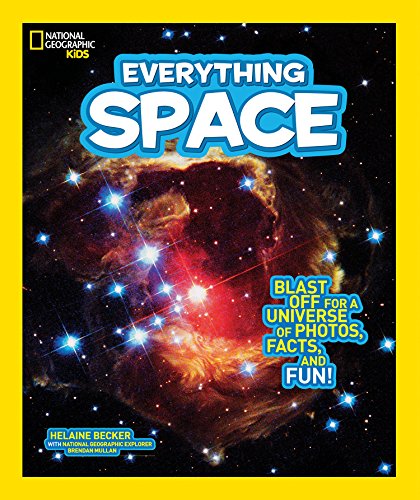
National Geographic Kids Everything Space: Blast Off for a Universe of Photos, Facts, and Fun!
| SELLER | SELLER SCORE | AMAZON FULFILLED | PRIME | FREE SHIPPING |
|---|---|---|---|---|
| Amazon.com | 9.68 | Yes | Yes | Yes |
Young aspiring astronauts need National Geographic Kids Everything Space to turn their bedroom into a personal mission control center. This book serves as a high-energy gateway to the cosmos, blending stunning photography with the kind of bite-sized facts that keep kids engaged without feeling overwhelmed. It moves quickly from planetary wonders to deep-space mysteries, ensuring that the momentum never drags. Instead of a dry textbook, you get a vibrant, visual journey that makes the vastness of the universe feel accessible and exciting. It is a perfect addition to any young explorer's bookshelf, providing a reliable source of wonder for curious minds ready to blast off into learning.


Space: Collection of 6 Books (Knowledge Encyclopedia For Children)
| SELLER | SELLER SCORE | AMAZON FULFILLED | PRIME | FREE SHIPPING |
|---|---|---|---|---|
| SIXSIGMA-BOOKS | 5.05 | No | No | No |
Most people assume children's encyclopedias are just glorified picture books, but this six-book Space collection functions more like a personal library for young astronomers. I found that having the information broken down into these specific volumes makes the vastness of the cosmos feel much more approachable and less overwhelming for a developing mind. You are essentially getting a curated curriculum that covers the heavens in digestible segments. It is the kind of resource that stays on the coffee table or bedside stand, inviting curiosity every time a child flips a page. While it is designed for a younger audience, the sheer depth of the collection makes it a solid cornerstone for any budding science enthusiast's bookshelf.

Something is Covering the Sun! Solar Eclipse Explained Solar System Children's Book Grade 3 Children's Astronomy & Space Books
| SELLER | SELLER SCORE | AMAZON FULFILLED | PRIME | FREE SHIPPING |
|---|---|---|---|---|
| Amazon.com | 9.68 | Yes | Yes | Yes |
Most educational books for third graders fail because they treat complex science like a dry textbook, but this title actually captures the awe of a celestial event. I found that Baby Professor manages to turn a potentially intimidating astronomical phenomenon into something approachable for young learners. Instead of overwhelming a child with dense jargon, the narrative focuses on the wonder of the solar system, making it a perfect companion for a classroom or a curious kid at home. It hits that sweet spot for grade-level readers where the information is substantial enough to be educational but simple enough to keep their attention during a reading session. It is a solid choice for parents looking to spark a genuine interest in space science without the boredom of traditional study guides.


Comets, Meteors and Asteroids Science Space Books Grade 3 Children's Astronomy & Space Books
| SELLER | SELLER SCORE | AMAZON FULFILLED | PRIME | FREE SHIPPING |
|---|---|---|---|---|
| Amazon.com | 9.68 | Yes | Yes | Yes |
While many children's space books offer nothing more than surface-level trivia, this Baby Professor title dives deep into the mechanics of our solar system's most fascinating debris. It targets third-grade readers specifically, bridging the gap between simple picture books and overly dense textbooks. I found that the focus on comets, meteors, and asteroids provides a cohesive narrative that helps young learners differentiate between these often-confused celestial objects. It is a solid educational resource for any budding astronomer looking to move beyond basic planet facts. Instead of just staring at the stars, kids using this guide actually start to understand the cosmic rocks flying through the void.

See Me in Jupiter Astronomy Book for Kids Grade 4 Children's Astronomy & Space Books
| SELLER | SELLER SCORE | AMAZON FULFILLED | PRIME | FREE SHIPPING |
|---|---|---|---|---|
| Amazon.com | 9.68 | Yes | Yes | Yes |
Young learners often struggle to grasp the massive scale and complexity of our solar system through standard textbooks. This Baby Professor astronomy book bridges that gap by targeting the specific curiosity of fourth-grade students. It transforms intimidating celestial concepts into something approachable and engaging for children. Instead of dense, academic jargon, the content focuses on making space exploration feel like an adventure. It serves as a perfect educational tool for parents or teachers looking to spark a genuine interest in science without overwhelming a budding astronomer. At its price point, it provides a solid entry into the world of space science for kids who are ready to look beyond Earth.


The Moon, the Sun and the Constellations- Beginner's Astronomy Lessons for Kids - Children's Astronomy & Space Books
| SELLER | SELLER SCORE | AMAZON FULFILLED | PRIME | FREE SHIPPING |
|---|---|---|---|---|
| Amazon.com | 9.68 | Yes | Yes | Yes |
You might hesitate to buy another educational book thinking it will just be dry text that loses a child's interest within minutes, but this guide manages to bridge that gap effectively. The Moon, the Sun and the Constellations serves as a foundational entry point for young explorers looking to understand the celestial mechanics above them. It focuses specifically on beginner-level astronomy lessons, making complex space concepts feel approachable rather than intimidating. At a very accessible price point, it functions as a perfect introductory tool for a budding stargazer's library. Instead of overwhelming them with dense jargon, it lays out the basics of our solar system and the patterns in the night sky in a way that encourages curiosity and long-term interest in science.


Saturn and Its Rings Astronomy for Kids Books Grade 4 Children's Astronomy & Space Books
| SELLER | SELLER SCORE | AMAZON FULFILLED | PRIME | FREE SHIPPING |
|---|---|---|---|---|
| Amazon.com | 9.68 | Yes | Yes | Yes |
Can a single book actually spark a lifelong passion for the cosmos in a fourth grader? This Baby Professor title aims to do exactly that by diving deep into the mysteries of Saturn and its iconic ring system. I found that it strikes a helpful balance for young readers who are ready to move beyond basic picture books but still need information presented in an accessible, engaging way. Instead of overwhelming them with dense academic jargon, it focuses on the specific wonders of our solar system's most famous ringed planet. It is a solid, targeted resource for any budding astronomer looking to expand their knowledge of space during their elementary school years.


Distant Stars and Asteroids- A Kid's Guide to the Mysteries of Outer Space - Children's Astronomy & Space Books
| SELLER | SELLER SCORE | AMAZON FULFILLED | PRIME | FREE SHIPPING |
|---|---|---|---|---|
| Amazon.com | 9.68 | Yes | Yes | Yes |
Traudl Whlke’s Distant Stars and Asteroids is an essential addition to any young explorer's library, offering a captivating entry point into the vast complexities of the cosmos. This children's astronomy book manages to turn intimidating celestial concepts into an approachable journey through the mysteries of outer space. It serves as a perfect gateway for budding scientists who are just beginning to look up at the night sky with curiosity. At a very accessible price point, it provides a high level of educational value without breaking the bank. Whether you are looking for a bedtime read or a classroom resource, this guide simplifies the wonders of the universe in a way that keeps kids engaged and eager to learn more about the stars and asteroids orbiting above us.

Can We Live on Mars? Astronomy for Kids 5th Grade Children's Astronomy & Space Books
| SELLER | SELLER SCORE | AMAZON FULFILLED | PRIME | FREE SHIPPING |
|---|---|---|---|---|
| Amazon.com | 9.68 | Yes | Yes | Yes |
A curious fifth grader staring out a bedroom window at the night sky suddenly finds the answers they've been hunting for in this engaging guide. Baby Professor has crafted a space exploration manual that speaks directly to young minds without overcomplicating the complex physics of planetary living. Instead of a dry textbook, this book feels like a guided tour through the solar system, specifically tailored for the 5th-grade reading level. It tackles the massive question of Martian colonization in a way that sparks imagination while remaining grounded in astronomical concepts. At just over twelve dollars, it serves as an affordable entry point for any budding scientist looking to understand the mysteries of our cosmic neighborhood.

What Are Exoplanets? Space Science Books Grade 4 Children's Astronomy & Space Books
| SELLER | SELLER SCORE | AMAZON FULFILLED | PRIME | FREE SHIPPING |
|---|---|---|---|---|
| Amazon.com | 9.68 | Yes | Yes | Yes |
Glossy pages and cosmic imagery pull young readers straight into the mysteries of deep space. This Baby Professor title serves as an accessible gateway for fourth graders looking to understand the complex concept of worlds orbiting distant stars. Instead of overwhelming students with dense academic jargon, the book breaks down astronomy into digestible, engaging segments that spark curiosity. It is the perfect addition to a classroom library or a home collection for budding scientists. At a very approachable price point, it makes high-level space science feel reachable rather than intimidating. Whether your child is a casual stargazer or a dedicated space enthusiast, this book provides a solid foundation for exploring the universe beyond our solar system.


Black Holes in Space! The What's and Why's of Black Holes - Space for Kids - Children's Astronomy & Space Books
| SELLER | SELLER SCORE | AMAZON FULFILLED | PRIME | FREE SHIPPING |
|---|---|---|---|---|
| Amazon.com | 9.68 | Yes | Yes | Yes |
After weeks of use as a bedtime reading staple, this Pfiffikus title has become a household favorite for our young space enthusiasts. Black Holes in Space! The What's and Why's of Black Holes manages to take one of the most complex and intimidating subjects in physics and translate it into something truly digestible for kids. It strikes that difficult balance of being educational without feeling like a dry textbook, making it perfect for curious minds who want to understand the mysteries of the cosmos. At under ten dollars, it is an incredibly accessible way to spark a lifelong interest in astronomy. Whether you are looking to expand a child's science vocabulary or simply want a captivating story to share under the stars, this book delivers a stellar introduction to the universe.


Good Night Little Veterinarian (Good Night Series)
| SELLER | SELLER SCORE | AMAZON FULFILLED | PRIME | FREE SHIPPING |
|---|---|---|---|---|
| Amazon.com | 9.68 | Yes | Yes | Yes |
Bedtime routines often feel like a race against a sleepy toddler, but Good Night Little Veterinarian turns that frantic energy into a moment of calm connection. As you settle under the covers, this entry in the Good Night Series guides young readers through a gentle, soothing narrative that captures the magic of caring for animals. It is the perfect choice for little ones who dream of helping pets or simply need a steady, rhythmic story to signal that the day is done. At a very accessible price point, it serves as a reliable staple for any nursery bookshelf. Instead of fighting sleep, you'll find your child leaning into the quiet charm of this veterinary-themed tale.

Famous Comets and Asteroids in Our Solar System! Space Science for Kids - Children's Astronomy & Space Books
| SELLER | SELLER SCORE | AMAZON FULFILLED | PRIME | FREE SHIPPING |
|---|---|---|---|---|
| Amazon.com | 9.68 | Yes | Yes | Yes |
Pfiffikus has delivered a top-tier introductory guide for young space enthusiasts. This book dives straight into the mysteries of our solar system, focusing specifically on the fascinating lives of comets and asteroids. It avoids the dense, overwhelming jargon found in adult textbooks, making it an ideal companion for curious kids who want to understand what those streaks of light in the night sky actually are. At under ten dollars, it serves as an incredibly accessible entry point for a budding astronomer's library. The subject matter is engaging enough to hold a child's attention while providing genuine scientific context about our celestial neighbors. It is a smart, budget-friendly choice for parents looking to spark a lifelong interest in astronomy.


Good Night Little Astronaut (Good Night Series)
| SELLER | SELLER SCORE | AMAZON FULFILLED | PRIME | FREE SHIPPING |
|---|---|---|---|---|
| Amazon.com | 9.68 | Yes | Yes | Yes |
Aspiring space explorers and their parents need this bedtime staple to turn nightly reading into a cosmic adventure. Good Night Little Astronaut is a charming addition to the Good Night Series that captures the imagination through its celestial theme. It offers an accessible way to introduce young readers to the wonders of the universe before they drift off to sleep. The narrative style is perfectly paced for winding down, making it a reliable tool for establishing a calming evening routine. It is the kind of gentle, engaging story that stays on the nightstand for years, serving as a nightly gateway to the stars for any curious toddler.


Good Night Little Astronomer (Good Night Series)
| SELLER | SELLER SCORE | AMAZON FULFILLED | PRIME | FREE SHIPPING |
|---|---|---|---|---|
| Amazon.com | 9.68 | Yes | Yes | Yes |
Good Night Little Astronomer turns bedtime into a celestial adventure through the wonders of the night sky. This installment in the Good Night series offers a gentle, soothing rhythm that is perfect for winding down after a busy day of exploration. While the technical specifics are kept simple for young minds, the thematic focus on astronomy provides a calming, expansive backdrop for sleep preparation. At a very accessible price point, it serves as a wonderful addition to any nursery bookshelf. It is the kind of story that makes looking up at the stars feel just as cozy as tucking under a warm blanket.

The most critical factor in selecting a space book is the age-appropriateness of the content. For toddlers and preschoolers, look for 'concept books' that focus on visual recognition. These books should feature high-contrast imagery of planets and stars with minimal text, often focusing on simple nouns like 'Sun,' 'Moon,' or 'Star.' For elementary-aged children (ages 6-9), the focus should shift toward narrative non-fiction. These readers can handle basic explanations of why the seasons change or how gravity works, but they still rely heavily on visual aids to anchor complex ideas.
Middle-grade readers (ages 10+) are ready for 'deep dives.' At this stage, you should look for books that include diagrams, infographics, and more technical terminology. These readers can move beyond simple identification and start exploring the 'how' and 'why' of astrophysics, such as the lifecycle of a star or the composition of different planetary atmospheres.
In astronomy, the quality of the imagery is paramount. Because space is largely invisible to the naked eye, children rely on illustrations and photography to build a mental model of the universe. For younger children, look for vibrant, stylized illustrations that capture the magic of space. For older children and budding astronomers, prioritize books that utilize actual NASA or ESA telescope photography. High-resolution imagery of deep-space phenomena like the Pillars of Creation provides a sense of awe and scientific reality that hand-drawn sketches cannot replicate.
Pay attention to the balance between text and visuals. A book that is too text-heavy may alienate a reluctant reader, while a book that is too sparse may leave an inquisitive child feeling unsatisfied. The best astronomy books use 'layered information'—where a beautiful image serves as the centerpiece, supported by short, punchy captions for quick reading, and more detailed sidebars for deeper study.
When shopping, consider whether you want a book that is meant to be read once or a book that serves as a permanent reference on a nightstand. Reference books, such as star atlases or celestial encyclopedias, are invaluable for children who are actually using telescopes or looking at the night sky. These books should feature clear maps of the constellations and seasonal guides.
For a more interactive experience, look for books that include activities, such as DIY solar system models, constellation drawing exercises, or 'find the planet' puzzles. These elements transform passive reading into active scientific inquiry, which is essential for retaining complex astronomical concepts.
Quick answers about Childrens Astronomy Space Books before you buy.
Share of top-ranked products by brand, from our editorial analysis.
We've carried out a comprehensive analysis of 1,601 reviews on Childrens Astronomy Space Books, using our selection criteria to identify the best options in the children's books. Our findings reveal that most customers typically select Childrens Astronomy Space Books priced around $14.34, with top brands including dk children, traudl whlke, random house books for young readers, baby professor and pfiffikus and national geographic kids.
Our team of expert editors reviewed these high-quality items and handpicked the top 16 Childrens Astronomy Space Books for your consideration. We've also done extensive research on numerous sellers, identifying the best ones in the children's books category — including and amazon.com and sixsigma-books.
We are dedicated to assisting our users in finding the right books Products based on their needs, saving them considerable time when choosing which Childrens Astronomy Space Books to buy. We take pride in the number of satisfied users we've helped through our thorough and insightful reviews.
Compare the top 16 picks at a glance — select a column to sort.


