#TOP1

Introducing a child to the magic of botany through books is one of the most effective ways to foster environmental stewardship and scientific curiosity. Children’s flower and plant books serve as more than just reading material. They are windows into the complex life cycles of the natural world. Whether you are looking for a beautifully illustrated keepsake for a nursery shelf or an interactive field guide for a backyard explorer, selecting the right book requires balancing visual engagement with educational depth. A well-chosen book can turn a simple walk in the park into a scavenger hunt for petals, pollen, and leaves.
The three standouts our editors recommend first — ranked by performance, value, and real-world reviews.

I Can Grow a Flower (Life Cycle Board Books)
| SELLER | SELLER SCORE | AMAZON FULFILLED | PRIME | FREE SHIPPING |
|---|---|---|---|---|
| Amazon.com | 9.68 | Yes | Yes | Yes |
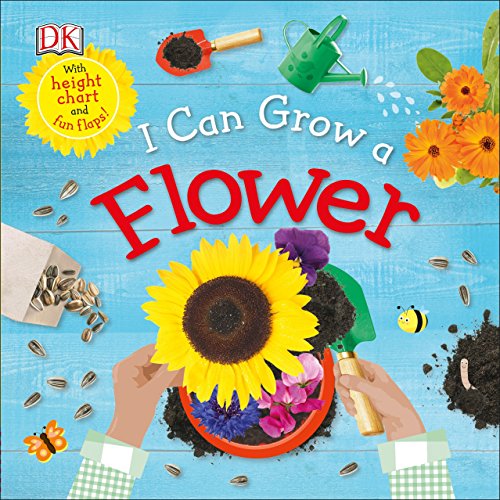
Most parents assume that teaching biology to toddlers requires complex diagrams, but this little board book proves that simplicity is actually the most effective teaching tool. I Can Grow a Flower from the DK Children Life Cycle series breaks down the botanical process into digestible, visually engaging steps that keep tiny hands occupied and curious minds engaged. Because it is a sturdy board book, it survives the inevitable rough handling of early childhood while still delivering clear educational value. It turns a potentially abstract concept like plant growth into a tangible, rhythmic story that feels more like an adventure than a science lesson. At just under thirteen dollars, it is a practical addition to any nursery bookshelf for building foundational knowledge through play.

Mrs. Peanuckle's Flower Alphabet (Mrs. Peanuckle's Alphabet)
| SELLER | SELLER SCORE | AMAZON FULFILLED | PRIME | FREE SHIPPING |
|---|---|---|---|---|
| Amazon.com | 9.68 | Yes | Yes | Yes |
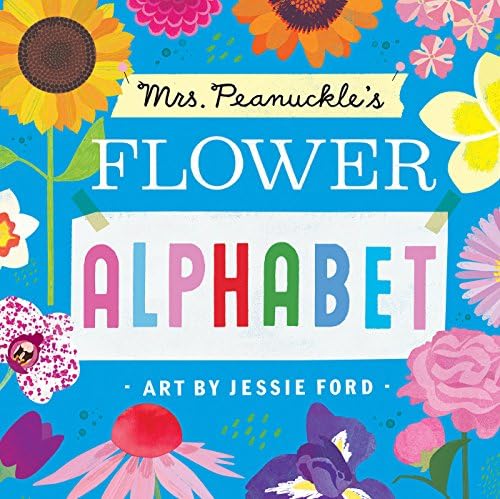
Mrs. Peanuckle's Flower Alphabet is a charming addition to any child's bookshelf that makes learning the basics feel like a walk through a garden. This Rodale Kids publication offers a whimsical way for young readers to engage with letters through botanical themes. It serves as an excellent introductory tool for early childhood literacy. The concept of blending alphabet recognition with floral imagery provides a sensory-rich experience that keeps little ones engaged. While it focuses on a specific niche of nature-themed learning, the simplicity and aesthetic appeal make it a standout choice for parents looking to foster a love for both reading and the natural world.



Medicinal Plants Coloring Book (Dover Nature Coloring Book)
| SELLER | SELLER SCORE | AMAZON FULFILLED | PRIME | FREE SHIPPING |
|---|---|---|---|---|
| Amazon.com | 9.68 | Yes | Yes | Yes |
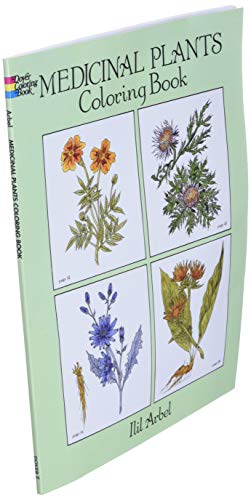
Botanical illustrators and herbalism enthusiasts will find this coloring book to be an absolute essential for their creative toolkit. The Dover Nature series has a reputation for scientific accuracy, and this specific volume delivers intricate, line-art depictions of plants used in traditional medicine. It is much more than a simple way to pass the time. It serves as a meditative exploration of plant morphology. It provides an incredibly low barrier to entry for anyone looking to combine stress relief with a deep dive into the natural world. Whether you are a seasoned artist or just someone looking to unwind with colored pencils, the detailed linework offers enough complexity to keep you engaged without feeling overwhelming.
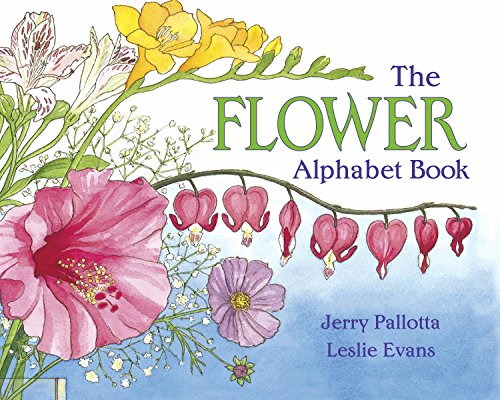
The Flower Alphabet Book (Jerry Pallotta's Alphabet Books)
| SELLER | SELLER SCORE | AMAZON FULFILLED | PRIME | FREE SHIPPING |
|---|---|---|---|---|
| Amazon.com | 9.68 | Yes | Yes | Yes |
The Flower Alphabet Book turns a standard literacy lesson into a vibrant botanical exploration. Part of the celebrated Jerry Pallotta series, this title manages to merge essential letter recognition with a beautiful look at the natural world. Instead of just reciting the alphabet, young readers get to connect each letter to specific floral varieties, making the learning process feel much more organic and engaging. It serves as an excellent addition to a classroom library or a home bookshelf. It is a straightforward, effective tool for parents and educators who want to spark an early interest in science while building foundational reading skills through colorful, themed imagery.


Look! Flowers!
| SELLER | SELLER SCORE | AMAZON FULFILLED | PRIME | FREE SHIPPING |
|---|---|---|---|---|
| Amazon.com | 9.68 | Yes | Yes | Yes |
Can a simple stroll through a garden spark a lifelong love for nature in a child? Little Bee Books aims to answer that with Look! Flowers!, a charming addition to any toddler's growing library. This book serves as an accessible entry point for little ones to begin identifying the colorful world around them. While the content remains focused on the core theme of floral discovery, its value lies in its ability to encourage curiosity and visual engagement during storytime. It is a straightforward, delightful way to introduce botanical concepts to early learners without overwhelming them with complexity. For parents looking to build a foundational reading habit, this title offers a bright and inviting starting point.


Flower Talk: How Plants Use Color to Communicate
| SELLER | SELLER SCORE | AMAZON FULFILLED | PRIME | FREE SHIPPING |
|---|---|---|---|---|
| Amazon.com | 9.68 | Yes | Yes | Yes |
After weeks of diving into the botanical mysteries of the garden, I finally feel like I am seeing my flower beds through a completely different lens. Flower Talk by Millbrook Press is an eye-opening exploration that shifts your perspective from seeing mere decoration to witnessing a complex language of hues. It delves into the fascinating ways plants utilize color as a primary tool for communication, likely to attract pollinators or signal environmental changes. For anyone who finds themselves staring at a petal and wondering about the biology behind its vibrance, this book offers a thoughtful deep dive. It is a refreshing read that turns a simple walk through the garden into a sophisticated study of biological signaling.

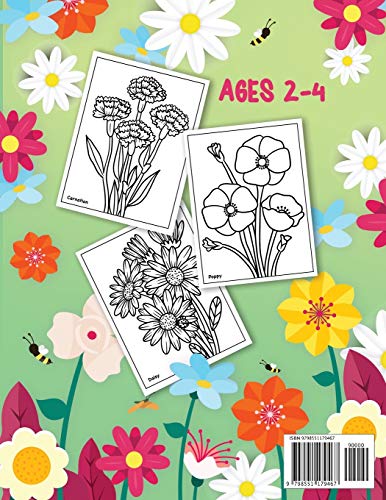
Flower Coloring Book For Toddlers: 30 Big, Simple & Fun Designs of Real Flowers for Kids Ages 2-4: Sunflowers, Daisies, Tulips, Lilies, Roses and More...
| SELLER | SELLER SCORE | AMAZON FULFILLED | PRIME | FREE SHIPPING |
|---|---|---|---|---|
| Amazon.com | 9.68 | Yes | Yes | Yes |
You might wonder if a coloring book can actually hold a two-year-old's attention for more than five minutes, but this collection of botanical designs is surprisingly effective. Instead of overwhelming little hands with intricate patterns, this book focuses on thirty large, simplified illustrations of recognizable blooms like sunflowers, daisies, and roses. It is specifically tailored for the developmental stage of toddlers aged two to four, making the coloring process feel successful rather than frustrating. It serves as an accessible, low-stakes creative outlet that introduces kids to nature through big, bold shapes. It is a straightforward, charming way to encourage fine motor skills without the clutter of overly complex art books.
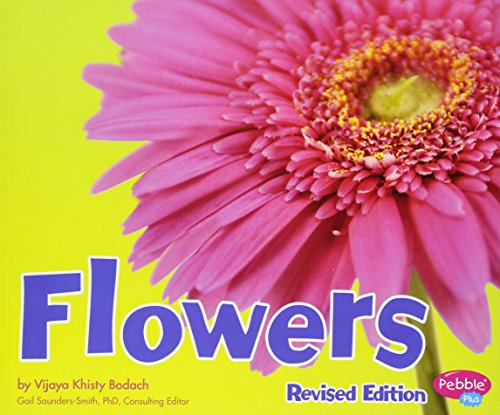
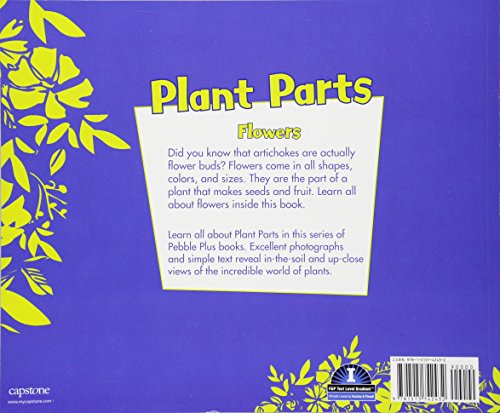
Flowers (Plant Parts)
| SELLER | SELLER SCORE | AMAZON FULFILLED | PRIME | FREE SHIPPING |
|---|---|---|---|---|
| Amazon.com | 9.68 | Yes | Yes | Yes |
Young learners often struggle to visualize the complex biological structures hidden within a simple garden bloom. Capstone Press tackles this educational hurdle head-on with Flowers (Plant Parts), a focused resource designed to demystify botany for curious minds. Instead of overwhelming a student with dense text, this book provides a clear, structured look at how different floral components function. It serves as an essential bridge between seeing a flower and actually understanding its biological purpose. At just over seven dollars, it is an incredibly accessible tool for classroom supplemental reading or a home science library. It turns a fleeting glance at a petal into a meaningful lesson in natural science.
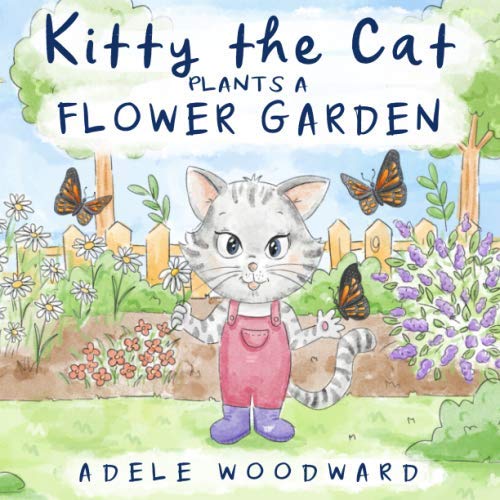

Kitty the Cat Plants a Flower Garden: Preschool Butterfly Books for Toddlers 4 Years Old (Me and Mom Kids Gardening Books for Children 3-5) (Kitty the...
| SELLER | SELLER SCORE | AMAZON FULFILLED | PRIME | FREE SHIPPING |
|---|---|---|---|---|
| Amazon.com | 9.68 | Yes | Yes | Yes |
Imagine sitting on a sunlit rug with a curious four-year-old, turning the pages of a story that turns a simple afternoon into a miniature lesson on nature. Kitty the Cat Plants a Flower Garden serves as a gentle introduction to the world of gardening, making it a perfect companion for toddlers beginning to explore the outdoors. This book captures the whimsical charm of a preschooler's imagination, focusing on themes like butterflies and blooming flowers that resonate deeply with the 3-5 age group. It is an ideal choice for parents looking to foster a love for the environment through quiet, shared reading moments. At just under nine dollars, it offers an accessible way to spark early interest in biology and patience through the eyes of a friendly feline character.


Parts of a Flower (First Step Nonfiction ― Pollination)
| SELLER | SELLER SCORE | AMAZON FULFILLED | PRIME | FREE SHIPPING |
|---|---|---|---|---|
| Amazon.com | 9.68 | Yes | Yes | Yes |
Most educational resources offer a cluttered mess of facts, but Parts of a Flower by Lerner Classroom delivers a focused, streamlined look at botanical biology. Instead of overwhelming young learners with unnecessary jargon, this First Step Nonfiction title guides them through the essential mechanics of pollination with clarity. It serves as an ideal entry point for budding scientists who need to understand how nature functions without getting lost in complex terminology. The structure is specifically designed to build confidence in early readers, making the transition from picture books to informational text feel natural rather than daunting. It is a practical, high-value addition to any classroom library or home learning setup for kids exploring the natural world.

Roots, Stems, Leaves, and Flowers: Let's Investigate Plant Parts (Get Started with STEM)
| SELLER | SELLER SCORE | AMAZON FULFILLED | PRIME | FREE SHIPPING |
|---|---|---|---|---|
| Amazon.com | 9.68 | Yes | Yes | Yes |
Ruby Tuesday Books has delivered a top-tier introductory resource for young budding botanists. This title serves as a perfect entry point for children eager to dive into the mechanics of the natural world through a hands-on STEM lens. By focusing on the fundamental structures of plants—from the hidden roots to the vibrant flowers—it transforms a standard science lesson into an engaging investigation. At a very accessible price point, it provides a foundational understanding that encourages kids to look closer at the greenery in their own backyards. It is a straightforward, effective tool for parents and educators looking to spark a genuine curiosity about biology without overwhelming a beginner.

All About Flowers (All About Plants)
| SELLER | SELLER SCORE | AMAZON FULFILLED | PRIME | FREE SHIPPING |
|---|---|---|---|---|
| Amazon.com | 9.68 | Yes | Yes | Yes |
Bright, botanical illustrations leap off the pages of this charming educational volume. Heinemann Educational Books has crafted a delightful resource that makes the complex world of botany feel accessible and inviting for young readers. Instead of dense, intimidating text, this book focuses on the vibrant life cycles and essential characteristics of various blooms. It serves as a perfect introductory tool for budding gardeners or curious students who want to understand the natural world around them. At a very accessible price point, it functions as a lightweight yet informative companion for classroom settings or quiet afternoon reading at home. It is a simple, effective way to spark a lifelong interest in the plant kingdom.

The most critical factor in choosing a plant book is the developmental stage of the child. For toddlers and preschoolers, look for 'concept books' that focus on sensory experiences. These books should feature large, high-contrast illustrations, tactile elements like touch-and-feel textures, and simple vocabulary that identifies colors and basic shapes. At this age, the goal is recognition rather than scientific classification.
For school-aged children (ages 6-9), transition toward narrative non-fiction. These books often tell the 'story' of a plant—how a seed sleeps in the dirt and eventually wakes up to reach for the sun. Look for books that combine storytelling with fun facts. For older children and pre-teens, you can move into more rigorous botanical guides. These should include more detailed anatomical diagrams, scientific names, and perhaps even sections on how to cultivate specific species in a home garden.
In the world of botanical literature, the quality of illustration is paramount. There are generally two paths: photographic realism and artistic illustration. Photographic books are excellent for teaching children how to identify actual plants in the wild, providing a literal reference point. However, artistic illustrations—such as watercolors or detailed sketches—often do a better job of highlighting the specific parts of a flower (like the stamen or pistil) that might be hard to see in a photo.
Ensure the book maintains a balance between beauty and accuracy. A book that is purely decorative may fail to teach, while a book that is too clinical may bore a young reader. The ideal choice uses vibrant, engaging imagery to anchor the scientific information, making the learning process feel like an adventure rather than a lecture.
The best plant books for children often bridge the gap between reading and doing. Look for 'activity-based' books that include prompts for outdoor observation, sketching exercises, or simple gardening projects. Some books may include stickers for identifying species or scavenger hunt checklists that encourage children to leave the couch and head into the garden.
If the child has a burgeoning interest in growing their own food or flowers, seek out books that function as 'how-to' manuals. These should offer step-by-step instructions on planting, watering, and sunlight requirements, written in a way that a child can follow (perhaps with minimal adult assistance). This hands-on approach solidifies the concepts learned on the page by applying them to the real world.
Consider where and how the book will be used. If the book is intended for a toddler, a board book format is essential to withstand spills and rough handling. If the book is intended to be a field guide for outdoor excursions, look for a lightweight, durable hardcover or a laminated softcover that can be tucked into a backpack without fear of damage from humidity or light bending. For collectors or those looking for a gift, high-quality linen-bound editions with gold foil or heavy matte paper offer a premium feel that stands the test of time on a bookshelf.
Quick answers about Childrens Flower Plant Books before you buy.
Share of top-ranked products by brand, from our editorial analysis.
We've carried out a comprehensive analysis of 1,678 reviews on Childrens Flower Plant Books, using our selection criteria to identify the best options in the children's books. Our findings reveal that most customers typically select Childrens Flower Plant Books priced around $8.84, with top brands including dk children, ruby tuesday books, little bee books, holiday house, lerner classroom, millbrook press, crown books for young readers, independently published and heinemann educational books and capstone press.
Our team of expert editors reviewed these high-quality items and handpicked the top 12 Childrens Flower Plant Books for your consideration. We've also done extensive research on numerous sellers, identifying the best ones in the children's books category — including and amazon.com.
We are dedicated to assisting our users in finding the right books Products based on their needs, saving them considerable time when choosing which Childrens Flower Plant Books to buy. We take pride in the number of satisfied users we've helped through our thorough and insightful reviews.
Compare the top 12 picks at a glance — select a column to sort.


