#TOP1

Teaching children the value of a dollar is one of the most impactful gifts a parent can provide, yet explaining complex concepts like inflation, compound interest, or credit scores to a five-year-old can feel nearly impossible. Children's money books serve as the bridge between abstract mathematical concepts and real-world financial literacy. Whether you are looking for a colorful picture book to explain the concept of 'saving vs. spending' to a toddler or a more nuanced narrative for a pre-teen, choosing the right resource is essential for fostering a healthy lifelong relationship with money.
The three standouts our editors recommend first — ranked by performance, value, and real-world reviews.


| SELLER | SELLER SCORE | AMAZON FULFILLED | PRIME | FREE SHIPPING |
|---|---|---|---|---|
| Amazon.com | 9.68 | Yes | Yes | Yes |
| SELLER | SELLER SCORE | AMAZON FULFILLED | PRIME | FREE SHIPPING |
|---|---|---|---|---|
| Amazon.com | 9.68 | Yes | Yes | Yes |


| SELLER | SELLER SCORE | AMAZON FULFILLED | PRIME | FREE SHIPPING |
|---|---|---|---|---|
| Amazon.com | 9.68 | Yes | Yes | Yes |

Rock, Brock, and the Savings Shock (Money Tales)
| SELLER | SELLER SCORE | AMAZON FULFILLED | PRIME | FREE SHIPPING |
|---|---|---|---|---|
| Amazon.com | 9.68 | Yes | Yes | Yes |
Rock, Brock, and the Savings Shock delivers a vital lesson in financial literacy through an engaging narrative. As part of the Money Tales series from Albert Whitman & Company, this book manages to turn the potentially dry subject of money management into something truly digestible for young readers. I found that the storytelling approach makes complex concepts feel approachable rather than intimidating. It serves as an accessible entry point for parents looking to introduce basic economic principles to their children. It is currently in stock and ready for any home library aiming to build smart habits early on. This isn't just a story. It's a practical tool for teaching the value of a dollar.

| SELLER | SELLER SCORE | AMAZON FULFILLED | PRIME | FREE SHIPPING |
|---|---|---|---|---|
| Amazon.com | 9.68 | Yes | Yes | Yes |
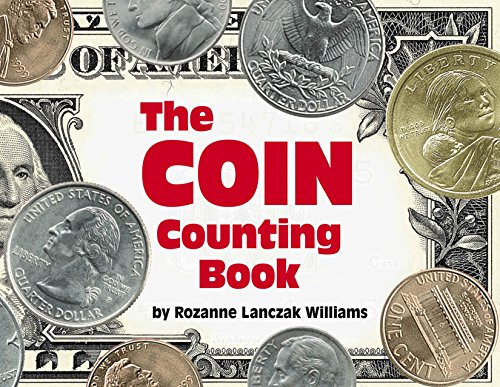
The Coin Counting Book
| SELLER | SELLER SCORE | AMAZON FULFILLED | PRIME | FREE SHIPPING |
|---|---|---|---|---|
| Amazon.com | 9.68 | Yes | Yes | Yes |
Young math enthusiasts and budding collectors will find an indispensable tool in The Coin Counting Book by Rozanne Lanczak Williams. This paperback guide turns a simple jar of loose change into a hands-on classroom, making the abstract concept of currency tangible and exciting. I found that the structured approach helps bridge the gap between basic counting and real-world financial literacy, which is a skill often overlooked in standard early childhood curricula. It is an incredibly accessible resource for parents looking to supplement home learning with something interactive and budget-friendly. It serves as a low-stakes, high-reward entry point into the world of practical mathematics and money management.

| SELLER | SELLER SCORE | AMAZON FULFILLED | PRIME | FREE SHIPPING |
|---|---|---|---|---|
| Amazon.com | 9.68 | Yes | Yes | Yes |
| SELLER | SELLER SCORE | AMAZON FULFILLED | PRIME | FREE SHIPPING |
|---|---|---|---|---|
| Amazon.com | 9.68 | Yes | Yes | Yes |


What Is Money?: Personal Finance for Kids (Money Management, Kids Books, Children, Savings, Ages 3-6, Preschool, kindergarten) (Little Economists)
| SELLER | SELLER SCORE | AMAZON FULFILLED | PRIME | FREE SHIPPING |
|---|---|---|---|---|
| Amazon.com | 9.68 | Yes | Yes | Yes |
Early childhood is the absolute best time to plant the seeds of financial literacy before math class even becomes a reality. What Is Money? serves as a foundational tool for parents and educators looking to demystify the concept of currency for the preschool and kindergarten crowd. Instead of waiting until a child is older to discuss savings, this Little Economists title approaches money management through a lens specifically tuned for ages three to six. It simplifies complex ideas into digestible concepts that fit perfectly into a bedtime story or a classroom lesson. At an accessible price point, it is a smart investment for anyone wanting to give their little ones a head start on understanding how the world of economics actually functions.

| SELLER | SELLER SCORE | AMAZON FULFILLED | PRIME | FREE SHIPPING |
|---|---|---|---|---|
| Amazon.com | 9.68 | Yes | Yes | Yes |


What are Stocks? Understanding the Stock Market - Finance Book for Kids Children's Money & Saving Reference
| SELLER | SELLER SCORE | AMAZON FULFILLED | PRIME | FREE SHIPPING |
|---|---|---|---|---|
| MyPrepbooks | 9.82 | No | No | No |
Financial literacy is often treated as an adult-only privilege, but this Baby Professor guide flips that script by making the stock market accessible to kids. Instead of drowning young readers in complex jargon or intimidating spreadsheets, this book breaks down the fundamental concepts of stocks and saving into digestible pieces. It serves as an essential reference for children who are curious about how money actually works in the real world. I found that the approach is less about memorizing definitions and more about building a foundational confidence with finance. It is a smart investment for parents looking to give their children a head start on economic literacy without the usual headache of dense textbooks.

| SELLER | SELLER SCORE | AMAZON FULFILLED | PRIME | FREE SHIPPING |
|---|---|---|---|---|
| Amazon.com | 9.68 | Yes | Yes | Yes |


Sylvester the Saving Sasquatch: A Child-Friendly Introduction to Saving and Investing
| SELLER | SELLER SCORE | AMAZON FULFILLED | PRIME | FREE SHIPPING |
|---|---|---|---|---|
| Amazon.com | 9.68 | Yes | Yes | Yes |
Sylvester the Saving Sasquatch tackles complex financial literacy by turning intimidating concepts into a whimsical adventure, rather than settling for the dry, lecture-style textbooks most parents rely on. Teaching kids about money is notoriously difficult, but this book uses a charming character to bridge the gap between simple piggy banks and the broader world of investing. It manages to make the idea of long-term growth feel approachable and fun for young readers. At just under thirteen dollars, it serves as an accessible entry point for families looking to build a foundation of financial intelligence early on. It is a refreshing way to introduce fiscal responsibility through storytelling rather than strict instruction.


| SELLER | SELLER SCORE | AMAZON FULFILLED | PRIME | FREE SHIPPING |
|---|---|---|---|---|
| Amazon.com | 9.68 | Yes | Yes | Yes |


Three Little Piggy Banks: Financial Literacy for Children
| SELLER | SELLER SCORE | AMAZON FULFILLED | PRIME | FREE SHIPPING |
|---|---|---|---|---|
| Amazon.com | 9.68 | Yes | Yes | Yes |
How do we teach the next generation to navigate the complexities of money without making it feel like a chore? Three Little Piggy Banks tackles this essential question by turning financial literacy into an engaging narrative for young readers. Instead of dry lectures on savings and spending, this book uses a storytelling approach to make economic concepts digestible and fun. It is a rare find that manages to be both educational and genuinely entertaining for children. At just under ten dollars, it serves as an affordable entry point for parents looking to build a strong fiscal foundation for their kids early on. It is a smart investment in a child's future independence.
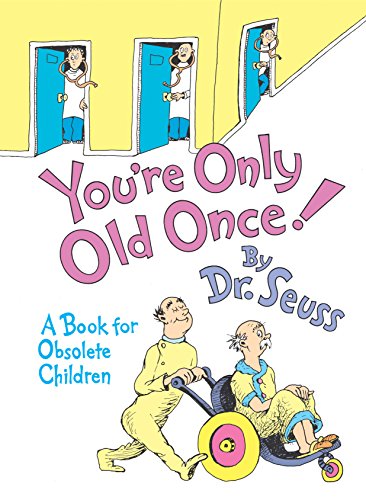
You're Only Old Once!: A Book for Obsolete Children
| SELLER | SELLER SCORE | AMAZON FULFILLED | PRIME | FREE SHIPPING |
|---|---|---|---|---|
| Amazon.com | 9.68 | Yes | Yes | Yes |
Grandparents and caregivers looking to bridge the generational gap with humor and charm absolutely need this whimsical read. This large picture book from Random House Books for Young Readers turns the concept of aging into a delightful, illustrated rhyming story that keeps both kids and adults engaged. I was particularly impressed by the thoughtful production quality. The acid-free text ensures the pages won't yellow or degrade quickly, making it a sturdy addition to a family library. The large print makes it an incredibly accessible choice for reading aloud during bedtime or story hour, ensuring every word lands perfectly. It is a charming, high-quality keepsake that manages to be both funny and visually captivating for all ages.

The most critical factor in selecting a financial book is matching the content to the child's cognitive development. For toddlers and preschoolers, look for books that focus on tactile experiences and basic recognition. At this stage, books should center on identifying coins, understanding that money is exchanged for goods, and the fundamental idea of 'waiting' for a reward. For elementary-aged children, the focus shifts toward the mechanics of earning, the difference between 'wants' and 'needs,' and the introductory concept of a piggy bank. Middle-grade readers are ready for more sophisticated themes, such as how banks work, the basics of budgeting, and the long-term impact of saving small amounts over time.
Decide whether your child learns better through storytelling or direct instruction. Narrative-driven books use relatable characters and engaging plots to weave financial lessons into a story. For example, a story about a squirrel saving acorns for winter is a gentle way to introduce the concept of emergency funds. On the other hand, instructional books—often styled as workbooks or activity guides—provide direct lessons, math problems, and practical exercises. If your child enjoys puzzles and hands-on learning, an activity-based book might be more effective. If they are voracious readers who love character arcs, a storybook will ensure the lesson sticks without feeling like a lecture.
Not all money books are created equal. Some focus exclusively on the act of saving, while others touch on the broader ecosystem of economics. When evaluating a book, check the table of contents or the back cover to see if it covers a variety of pillars: earning, spending, saving, giving, and investing. A well-rounded guide shouldn't just teach a child how to accumulate wealth. It should also introduce the concept of philanthropy (giving to others) and the importance of delayed gratification. Books that include diverse scenarios—such as different ways to earn money or various ways to use it—help prevent a narrow or unrealistic view of financial life.
For younger children, the quality of illustration is paramount. High-contrast colors and engaging characters keep their attention long enough for the lesson to land. For older children, look for books that use infographics, charts, or visual metaphors to explain difficult concepts like interest rates. Additionally, consider the 'shelf life' of the book. Does the book teach a timeless principle, or is it tied to a specific, passing trend? You want a resource that can be revisited as the child grows, perhaps starting with the pictures and eventually moving into the deeper text as their reading comprehension improves.
Quick answers about Childrens Money Books before you buy.
Share of top-ranked products by brand, from our editorial analysis.
We've carried out a comprehensive analysis of 8,007 reviews on Childrens Money Books, using our selection criteria to identify the best options in the children's books. Our findings reveal that most customers typically select Childrens Money Books priced around $10.07, with top brands including albert whitman & company, random house books for young readers, everything, harpercollins, dk children, evan-moor, racehorse for young readers and baby professor and charlesbridge publishing.
Our team of expert editors reviewed these high-quality items and handpicked the top 16 Childrens Money Books for your consideration. We've also done extensive research on numerous sellers, identifying the best ones in the children's books category — including and amazon.com and myprepbooks.
We are dedicated to assisting our users in finding the right money Products based on their needs, saving them considerable time when choosing which Childrens Money Books to buy. We take pride in the number of satisfied users we've helped through our thorough and insightful reviews.
Compare the top 16 picks at a glance — select a column to sort.


