#TOP1

Exploring Chinese classical music is a journey into centuries of philosophical depth, technical mastery, and a unique approach to tonality that differs significantly from Western traditions. Unlike the structured, harmonic progressions found in European classical music, Chinese classical music often centers on the expressive nuances of a single melodic line, the timbre of specific instruments, and the evocative power of 'emptiness' or silence. Whether you are looking for meditative soundtracks for mindfulness or complex, virtuosic performances to appreciate the technical heights of ancient artistry, understanding the nuances of this genre is essential to finding music that resonates with your soul.
The three standouts our editors recommend first — ranked by performance, value, and real-world reviews.

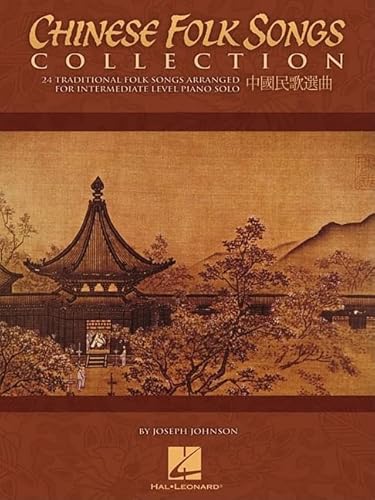
Chinese Folk Songs Collection: 24 Traditional Songs Arranged for Intermediate Piano Solo
| SELLER | SELLER SCORE | AMAZON FULFILLED | PRIME | FREE SHIPPING |
|---|---|---|---|---|
| Amazon.com | 9.68 | Yes | Yes | Yes |
Intermediate pianists craving a departure from the standard Western classical repertoire will find this collection absolutely essential for their practice sessions. This Hal Leonard publication offers a curated selection of 24 traditional Chinese folk songs, each thoughtfully arranged to suit an intermediate skill level. Rather than feeling like a collection of simplified melodies, these arrangements provide enough technical depth to keep a developing player engaged while honoring the cultural essence of the original tunes. It is a refreshing way to build musicality and expand your performance repertoire beyond the usual Bach or Mozart studies. At a very accessible price point, it serves as a high-value resource for anyone looking to add global textures to their solo piano repertoire.

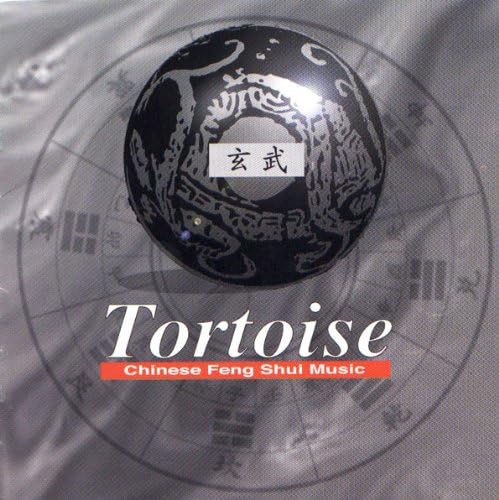
Tortoise: Chinese Feng Shui Music
| SELLER | SELLER SCORE | AMAZON FULFILLED | PRIME | FREE SHIPPING |
|---|---|---|---|---|
| RapidPrimePros | 9.94 | Yes | Yes | Yes |
Silence is often more difficult to achieve than finding the right melody, and that is exactly where this collection excels. Tortoise: Chinese Feng Shui Music isn't just a background track. It functions as a deliberate tool for environmental recalibration. While most ambient albums aim for passive listening, this selection feels specifically curated to influence the energy of a room through traditional tonal structures. It offers a specialized auditory experience for anyone looking to integrate ancient principles into a modern living space. It is less about entertainment and more about creating a sonic sanctuary that supports mindfulness and intentionality during your daily routines.

The Hugo Masters, An Anthology of Chinese Classical Music, Vol. 2: Plucked Strings
| SELLER | SELLER SCORE | AMAZON FULFILLED | PRIME | FREE SHIPPING |
|---|---|---|---|---|
| Amazon.com | 9.68 | Yes | Yes | Yes |
The Hugo Masters, An Anthology of Chinese Classical Music, Vol. 2: Plucked Strings offers a profound sonic journey through the intricate textures of traditional instrumentation. This collection focuses specifically on the delicate, resonant qualities of plucked string instruments, providing a specialized listening experience that feels both academic and deeply immersive. For anyone looking to expand their library of Eastern classical traditions, this volume serves as a dedicated deep dive into a specific subset of the genre. The curation allows the unique timbre of each instrument to take center stage, making it a standout addition for enthusiasts of historical musicology or those simply seeking a more nuanced auditory landscape. It is a thoughtful, focused installment in an ongoing musical exploration.

The Hugo Masters, An Anthology of Chinese Classical Music, Vol. 4: Percussion
| SELLER | SELLER SCORE | AMAZON FULFILLED | PRIME | FREE SHIPPING |
|---|---|---|---|---|
| Amazon.com | 9.68 | Yes | Yes | Yes |
The rhythmic backbone of a traditional Chinese ensemble comes alive the moment you press play on this fourth volume of the Hugo Masters anthology. Instead of the melodic focus found in earlier installments, this collection dives deep into the complex, driving textures of classical percussion. It is the perfect companion for anyone looking to study the intricate timing and tonal variety of traditional drums and idiophones during a focused listening session. At just under seventeen dollars, it serves as a specialized deep dive for musicologists or enthusiasts who want to understand the percussive heartbeat that drives the entire genre. You can practically feel the resonance of the instruments through the recording, making it an essential addition to a serious world music library.

The first step in navigating Chinese classical music is identifying the 'voice' of the ensemble. The genre is largely defined by its instrumental families, and your preference for texture will dictate your listening experience. The string family is perhaps the most iconic, featuring the Guqin (a seven-stringed zither known for its scholarly, introspective, and quiet qualities), the Guzheng (a larger zither with a much more brilliant, cascading, and virtuosic sound), and the Erhu (a two-stringed bowed instrument that mimics the expressive, often melancholic qualities of the human voice). If you prefer percussive or rhythmic textures, look for works featuring the Pipa (a plucked lute with rapid-fire techniques) or various types of bronze bells and stone chimes that provide a ritualistic, ceremonial atmosphere.
When selecting music, decide whether you prefer intimacy or grandeur. Much of the most profound Chinese classical music is solo or chamber-based. These recordings focus on the 'micro-tones'—the subtle slides, vibratos, and bends that occur between the notes. This is ideal for deep listening and meditation. Conversely, there is a rich tradition of modern Chinese orchestral music that utilizes large ensembles to create sweeping, cinematic landscapes. These recordings are better suited for those who enjoy the power and scale of a full symphonic sound but want to experience the unique pentatonic scales and instrumental colors of the East.
Chinese classical music is deeply intertwined with literature, poetry, and Taoist or Confucian philosophies. Many compositions are programmatic, meaning they are intended to depict a specific scene in nature—such as 'Flowing Water' or 'High Mountains and Flowing Water.' When choosing a collection, look for descriptions that indicate the intended mood. Some music is designed for 'cultivation' (self-improvement and quiet contemplation), while other pieces are meant for festive or courtly celebrations. Understanding whether a piece is meant to be a scholarly meditation or a dramatic narrative will help you match the music to your current environment.
Because Chinese classical instruments rely heavily on subtle textures—the scrape of a bow, the resonance of a silk string, or the decay of a bell—audio quality is paramount. Avoid low-bitrate recordings that compress these delicate frequencies, as you will lose the 'breath' of the music. Furthermore, look for performers who are recognized masters of their specific instrument. In this genre, the performer's ability to interpret the 'spirit' (Qi) of the music is just as important as their technical accuracy. Seek out recordings that emphasize traditional playing techniques and historical authenticity to ensure a genuine cultural experience.
Quick answers about Chinese Music before you buy.
Share of top-ranked products by brand, from our editorial analysis.
We've carried out a comprehensive analysis of 77 reviews on Chinese Music, using our selection criteria to identify the best options in the categories. Our findings reveal that most customers typically select Chinese Music priced around $16.98.
Our team of expert editors reviewed these high-quality items and handpicked the top 4 Chinese Music for your consideration..
We are dedicated to assisting our users in finding the right classical Products based on their needs, saving them considerable time when choosing which Chinese Music to buy. We take pride in the number of satisfied users we've helped through our thorough and insightful reviews.
Compare the top 4 picks at a glance — select a column to sort.
| # | Product | Brand | PM Score | Rating | Where to Buy |
|---|---|---|---|---|---|
| 1 |
 Hal Leonard Chinese Folk Songs Piano Collection |
Hal Leonard Publishing Corporation | 6.2 | Buy on Amazon | |
| 2 |
 Tortoise Chinese Feng Shui Music |
5.8 | Buy on Amazon | ||
| 3 |
 The Hugo Masters Anthology of Chinese Plucked Strings |
5.2 | Buy on Amazon | ||
| 4 |
 The Hugo Masters Chinese Classical Percussion Anthology |
5.1 | Buy on Amazon |