Material Matters: Silicone vs. Polycarbonate
The most critical decision in purchasing chocolate molds is choosing between silicone and polycarbonate. These two materials serve fundamentally different purposes in the tempering process.
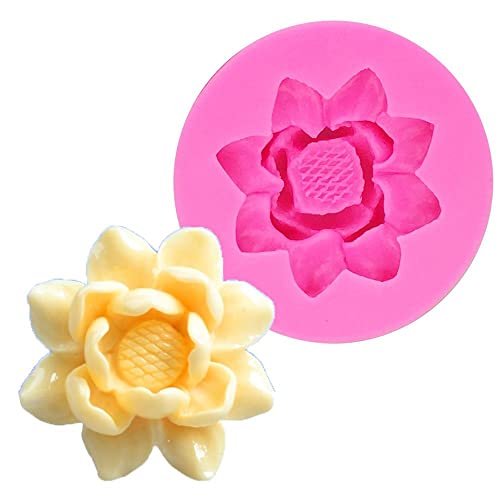
Silicone Molds: These are the gold standard for beginners and those making complex, multi-dimensional shapes. Silicone is highly flexible, which makes releasing chocolate incredibly easy, even with intricate patterns. It is also forgiving. If your tempering isn't absolutely perfect, the flexibility of the silicone can often help you wiggle the chocolate out without breaking it. However, silicone lacks the rigidity required to produce a high-gloss, 'snap' finish. If you want a matte or soft-edged look, silicone is your best bet.
Polycarbonate Molds: If your goal is to achieve that mirror-like shine and a satisfying snap when you bite into the chocolate, you must use polycarbonate. These are hard, rigid plastic molds used by professionals. Because they do not flex, you must ensure your chocolate is perfectly tempered to achieve a clean release. The rigidity of the plastic allows for much finer detail and a professional-grade surface tension that silicone simply cannot replicate.
Detail and Surface Texture
When browsing designs, look closely at the depth and the sharpness of the edges. For intricate patterns—such as filigree, floral motifs, or geometric textures—the mold needs to have crisp, well-defined lines. In silicone molds, look for 'high-definition' descriptions, which indicate the mold was cast from a master pattern with high precision. If the mold edges are rounded or soft in the product images, your chocolate will likely have a blunt, less professional appearance. For larger items like chocolate bars or thick truffles, ensure the mold has a consistent depth to allow for even cooling and setting.
Ease of Use and Maintenance
Consider how much effort you want to put into cleaning and storage. Silicone molds are generally dishwasher safe and can be stacked easily, making them great for high-volume production. Polycarbonate molds, while durable, can be prone to scratching if cleaned with abrasive sponges, which will eventually ruin the gloss of your chocolate. Always look for molds that are food-grade and BPA-free. Additionally, check if the mold is designed with a flat base. Molds that wobble on a countertop can lead to uneven chocolate thickness and messy results.
Recommendation Logic
To make your final selection, follow this logic: If you are making decorative shapes, themed treats for children, or experimenting with different fillings, prioritize silicone for its ease of release and versatility. If you are aiming to create high-end, commercial-style chocolate bars, bonbons, or giftable truffles with a professional luster, invest in polycarbonate. Always match the material to your skill level: start with silicone to master the art of melting and pouring, then graduate to polycarbonate once your tempering technique is flawless.