Material Composition and Durability
The most critical factor in selecting a clay mold is the material it is made from. Most high-quality molds fall into two categories: silicone and hard resin/plastic. Silicone molds are the gold standard for most crafters because of their flexibility. This flexibility allows you to 'peel' the mold away from the clay, which is essential when working with intricate textures or undercut details that would snap off in a rigid mold. When shopping, look for food-grade or high-tear-strength silicone. This ensures that the mold won't rip when you are extracting a complex piece. Harder plastic molds are better suited for repetitive, high-volume industrial tasks where dimensional stability is more important than ease of release, but for artistic expression, flexibility is your best friend.
Detail Fidelity and Surface Texture
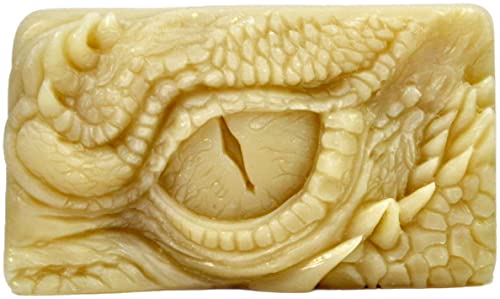
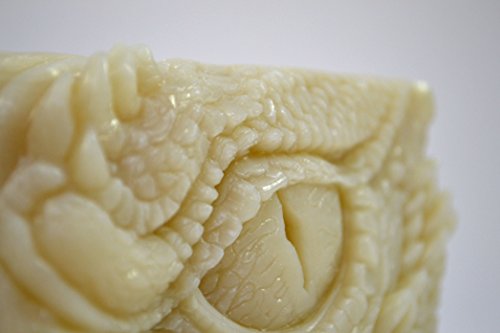
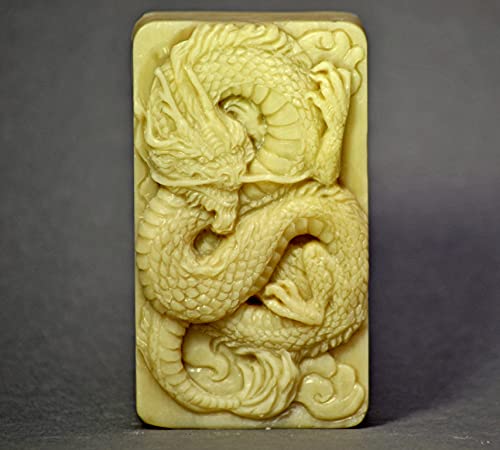
The primary purpose of a mold is to transfer texture. Before purchasing, examine the depth and sharpness of the patterns. A mold with shallow, rounded grooves will produce 'mushy' results where the fine lines of your clay appear blurred. Look for molds that feature crisp, deep impressions. This is particularly important if you are working with polymer clay, where you want to capture every microscopic vein in a leaf or every crack in a stone texture. High-fidelity molds will have a smooth interior surface that prevents the clay from sticking to the microscopic pores of the mold itself.
Compatibility with Clay Types
Not all molds play well with all mediums. If you are working with air-dry clay, you need a mold that won't absorb moisture from the clay, which can lead to the mold becoming tacky or ruined over time. If you are a polymer clay enthusiast, you must ensure the mold can withstand the heat of a baking oven if you intend to use the mold as a shaping tool during the heating process (though most use them pre-bake). Additionally, consider the 'release' factor. Some clays are naturally stickier than others. A mold with a high-quality non-stick coating or a very smooth silicone finish will save you hours of frustration and broken pieces.
Size and Scalability
Consider the scale of your projects. Some molds are designed for miniature charms and jewelry, requiring extreme precision in very small spaces. Others are large-format molds intended for sculptural elements or home decor. A common mistake is buying a mold that is too small for the volume of clay you intend to use, leading to uneven thickness in your final piece. Always check the dimensions of the cavity to ensure it matches the scale of your intended art. If you are making a set of matching items, look for molds that offer modularity or multiple cavities of the same design.
Maintenance and Longevity
A good mold should be an investment. Look for products that are easy to clean. Clay residue can build up in the fine crevices of a mold, and if not cleaned properly, this residue will harden and ruin the detail of future casts. Seek out molds that are dishwasher safe (if they are silicone) or can be easily wiped down with isopropyl alcohol to remove oils and clay particles. A mold that maintains its shape and elasticity after multiple uses is far more valuable than a cheap alternative that loses its tension after a few sessions.