Material Composition and Durability
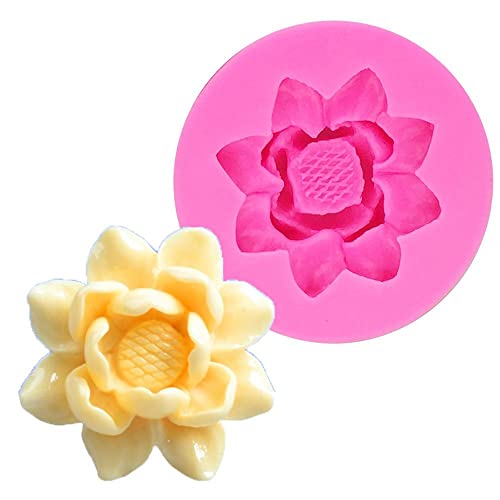
The most critical decision when selecting clay molds is the material they are made from. Most high-quality molds are crafted from silicone due to its inherent flexibility and heat resistance. For those working with polymer clay that requires oven baking, high-grade silicone is non-negotiable because it can withstand temperature fluctuations without warping or leaching chemicals. If you are working with air-dry clay or cold porcelain, you might opt for more rigid plastic molds, which are excellent for maintaining sharp, crisp edges in geometric shapes but lack the 'pop-out' ease of silicone. When evaluating a mold, press the edges. It should feel supple and return to its original shape immediately. If the material feels brittle or overly stiff, it is likely to tear during the demolding process, potentially ruining your sculpture.
Complexity of Detail and Texture
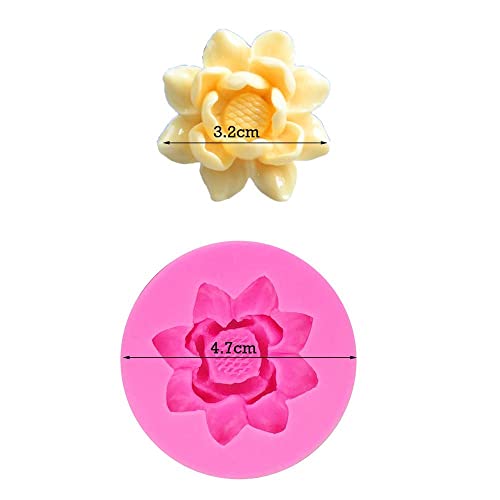
Molds are generally categorized by the level of detail they provide. Intricate molds—such as those featuring lace patterns, realistic leaf veins, or miniature architectural elements—require a very high-grade, fine-pore silicone to ensure that the microscopic details are captured. If you are a beginner, start with medium-detail molds. They are more forgiving of slight inconsistencies in your clay application. If you are aiming for professional-grade jewelry or fine art, look for molds with deep, well-defined grooves. Be aware that the more complex the texture, the more care you will need to take during cleaning. Tiny crevices in highly detailed molds can trap clay residue, so ensure the mold design allows for easy access with a soft brush or toothpick.
Depth and Volume Considerations
One often overlooked factor is the depth of the mold cavity. If you are making thick, sculptural pieces, you need a mold with significant depth to prevent the clay from overflowing and losing its shape. Conversely, if you are making delicate charms or flat tiles, a shallow mold is preferable to ensure a sleek, uniform finish. Always consider the 'taper' of the mold walls. A mold with slightly angled sides (draft angles) will release your clay much more easily than one with perfectly vertical walls, which can create a vacuum effect that pulls on the clay as you try to remove it.
Ease of Cleaning and Maintenance
Clay, especially air-dry varieties, can be messy. A high-quality mold should be non-porous, meaning it won't absorb oils from your hands or moisture from the clay. This is vital for preventing mold growth and ensuring that the next time you use the tool, no old residue interferes with the new design. Look for molds that are compatible with mild soap and water. For polymer clay users, ensure the mold can handle the occasional wipe-down with isopropyl alcohol to remove any stubborn pigment or oil buildup without degrading the silicone structure.
Recommendation Logic
When deciding which mold to add to your kit, follow this logic: If your goal is repetitive, high-precision jewelry making, prioritize high-density silicone with fine detail. If you are focused on large-scale sculptural elements or sensory play, prioritize volume and durability over intricate texture. Always check if the mold is flexible enough to be peeled back from the edges, as this is the single most important feature for preventing breakage during the transition from mold to tabletop.