Understanding Bristle Material and Firmness
The most critical decision factor when selecting a cleaning brush is the material of the bristles. Bristles are generally categorized into three groups: natural, synthetic, and abrasive.
Synthetic bristles, usually made of nylon or polypropylene, are the most versatile. They are durable, hold their shape well, and are resistant to harsh chemicals. For general household tasks like scrubbing countertops or cleaning tiles, medium-stiffness nylon is the gold standard. Natural bristles, often derived from boar hair, are softer and more gentle. These are ideal for delicate surfaces where you want to avoid micro-scratches, such as polished wood or certain types of fine ceramics. Abrasive or stiff-bristle brushes are designed for heavy-duty tasks. If you are tackling baked-on grease in an oven or calcified mineral deposits in a shower, you will need high-density, stiff bristles that can provide significant downward pressure without bending excessively.
Shape and Geometry for Specific Tasks
A brush's shape dictates its reach and effectiveness. You cannot effectively clean a narrow crevice with a wide, flat scrubbing brush. When building your cleaning kit, consider the following shapes:
- Detail/Crevice Brushes: These are small, often cylindrical or angled brushes designed to fit into grout lines, window tracks, and faucet bases.
- Flat Scrubbing Brushes: These provide a large surface area, making them perfect for floor tiles, bathtubs, or large kitchen counters.
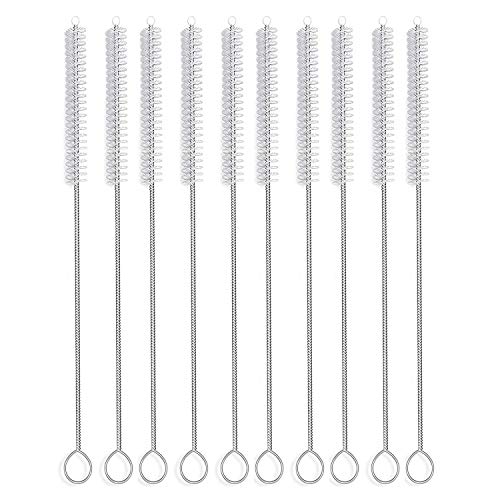
- Round/Bottle Brushes: Essential for cleaning the interior of vases, water bottles, or narrow glassware. Look for brushes with flexible heads that can contour to the shape of the vessel.
- Long-Handled Brushes: These are necessary for tasks that require leverage and distance, such as scrubbing floor grout or reaching the high corners of a shower stall without straining your back.
Ergonomics and Handle Durability
Cleaning is a repetitive physical task, and a poorly designed handle can lead to hand fatigue or even cramping. Look for brushes with ergonomic, non-slip grips. If you are performing heavy scrubbing, a handle that fits the natural contour of your palm is essential. Furthermore, consider the material of the handle itself. Plastic handles are easy to sanitize and lightweight, while wooden handles often provide a more premium feel and better weight distribution, though they may require more care to prevent water damage over time. For wet environments, ensure the handle has a textured surface to prevent slipping when your hands are covered in soap or water.
Longevity and Maintenance
To get the most value out of your investment, look for brushes that are easy to maintain. A brush that traps hair, lint, or debris within its base will quickly become unhygienic. High-quality brushes feature tight bristle settings that allow for easy rinsing. Additionally, check if the brush is compatible with high-temperature cleaning. Some brushes can be sanitized in a dishwasher, which is a significant advantage for tools used in kitchens or bathrooms where bacteria thrive.