Material Composition and Fiber Density
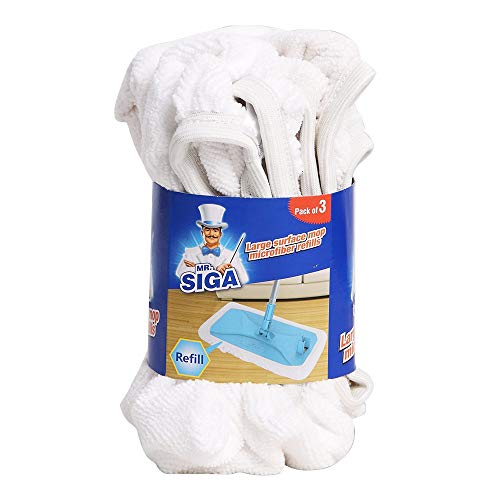
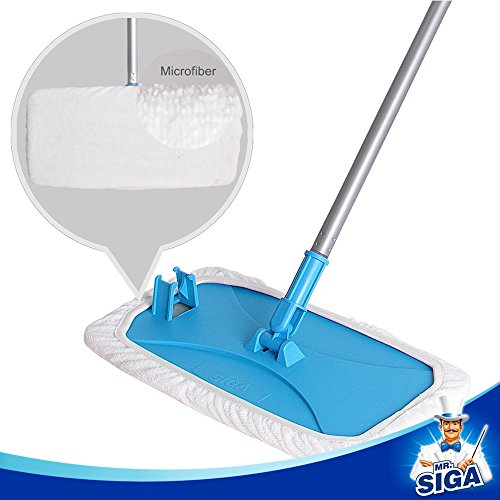
The primary differentiator in high-quality cleaning cloths is the GSM (grams per square meter). This measurement tells you how dense and absorbent the cloth is. For heavy-duty tasks like drying dishes or wiping up spills, look for a higher GSM, which indicates a thicker, more absorbent fabric. Conversely, for polishing mirrors, windows, or chrome fixtures, you want a lower GSM or a specific 'waffle weave' texture. This prevents the cloth from feeling heavy and damp, which is the leading cause of streaks. When selecting mrsiga cloths, prioritize those that emphasize a blend of microfiber that can trap dust particles within the fibers rather than simply pushing them around the surface.
Texture and Weave Patterns
Not all cloths are meant for the same job. A smooth, flat-weave cloth is your best ally for glass and high-gloss surfaces because it minimizes friction and prevents lint buildup. If you are tackling greasy stovetops or textured countertops, a looped or plush microfiber weave is superior. These loops act like tiny scrubbers that reach into the microscopic crevices of a surface to lift away grime. Understanding the intended weave of the cloth will prevent you from using a heavy-duty scrubber on a delicate touchscreen or a light polishing cloth on a muddy floor.
Durability and Laundering Requirements
A cleaning cloth is only a good investment if it can withstand repeated wash cycles without losing its structural integrity or its 'grab.' Look for cloths with reinforced edges (overlock stitching), which prevent fraying after multiple uses in the washing machine. It is also vital to consider how these cloths react to heat. High-quality microfiber should be able to handle warm water, but you should avoid using fabric softeners when cleaning them. Fabric softeners coat the fibers in a waxy residue, which effectively kills the cloth's ability to absorb water and trap dust, rendering your investment useless.
Task-Specific Selection Logic
To build an effective cleaning kit, do not buy a single type of cloth for every task. Instead, follow this logic: Use ultra-fine, smooth cloths for optics, screens, and mirrors to ensure a streak-free shine. Use medium-density, soft cloths for general dusting and furniture polishing. Finally, reserve your thicker, more rugged cloths for heavy absorption tasks like drying countertops or cleaning up liquid spills. By categorizing your cloths by their weave and density, you maximize the lifespan of your surfaces and the efficiency of your cleaning routine.