Verify OE Specification Alignment
The most critical factor when selecting a Valeo clutch slave cylinder is ensuring it matches the Original Equipment specifications for your specific vehicle application. Unlike generic aftermarket parts that may use inferior rubber compounds, Valeo cylinders are engineered to match the bore diameter, piston stroke, and seal material of the unit your car was built with. When shopping, do not simply look for a part that 'fits'. Look for the designation that confirms it is an OE-equivalent component. This ensures that the hydraulic displacement—the volume of fluid moved per stroke—is identical to the factory standard, preventing issues like a pedal that sits too low or fails to fully disengage the clutch.
Material Integrity and Seal Quality
The primary failure point in any hydraulic cylinder is the internal seal. Exposure to extreme temperature fluctuations under the chassis and the corrosive nature of brake/clutch fluid can cause cheap seals to swell or crack. Valeo distinguishes itself by utilizing high-grade elastomers designed to resist chemical degradation and thermal expansion. When evaluating a cylinder, consider whether it is a single-piston design or a dual-piston setup, as this varies by vehicle. A high-quality cylinder will feature a robust housing—typically cast iron or high-strength aluminum—to prevent housing flex under high-pressure engagement, which can lead to inconsistent clutch feel.
Integrated vs. Standalone Units
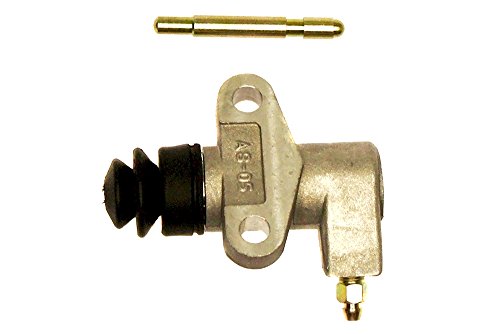
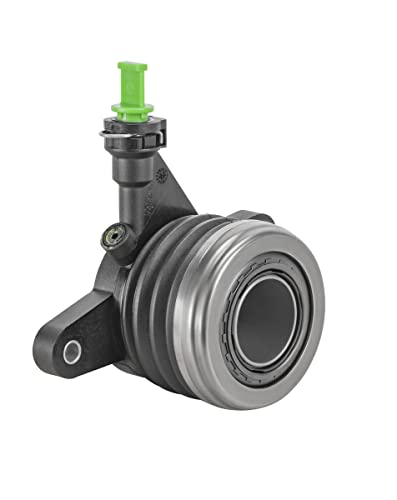
Depending on your vehicle's architecture, you may encounter two different configurations. Some slave cylinders are standalone units that bolt to the transmission bell housing, while others are integrated into the Concentric Slave Cylinder (CSC) assembly, which combines the slave cylinder and the release bearing into one unit. If your vehicle uses a CSC, it is highly recommended to replace the entire assembly rather than attempting to service individual components. Valeo offers specialized kits that include the bearing and the cylinder together, ensuring that the mechanical and hydraulic components work in perfect synchronization, reducing the risk of premature failure due to mismatched tolerances.
Installation Environment and Compatibility
Before finalizing your purchase, confirm the hydraulic fluid compatibility. Most modern systems require specific DOT-rated fluids, and using the wrong type can instantly destroy the seals in a brand-new cylinder. Additionally, check if the cylinder comes with a new bleeder screw. A fresh, uncorroded bleeder screw is essential for removing air from the system during installation. An air pocket in the hydraulic line will result in a 'soft' pedal and poor gear shifting, rendering even the highest quality cylinder ineffective.