Understanding Roast Profiles and Flavor Nuance
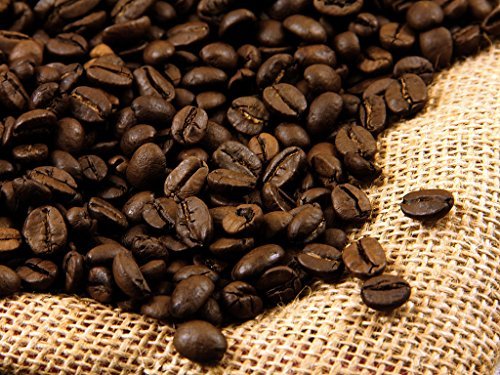
The most critical factor in your selection is the roast level, as this determines the balance between the bean's inherent characteristics and the flavors imparted by the roasting process. Light roasts are the purists' choice. They preserve the unique acidity and floral or fruity notes of the specific origin. If you enjoy pour-overs or Chemex brewing, a light roast will offer a tea-like clarity and complex acidity. Medium roasts act as the versatile middle ground, offering a more balanced body with notes of caramel or toasted nuts. Dark roasts, conversely, prioritize the oils and smoky, bold characteristics developed during the roast itself. When choosing, ask yourself: do I want to taste the soil and the fruit, or do I want the richness of the roast?
The Importance of Single Origin vs. Blends
Your decision between single-origin beans and signature blends will fundamentally change your tasting experience. Single-origin beans are sourced from a specific region, farm, or even a single plot of land. These are ideal for those who want to explore the 'terroir'—the way geography and climate affect flavor. You might find a single-origin Ethiopian bean tastes of jasmine and lemon, while a Guatemalan bean offers cocoa and spice. Blends, on the other hand, are curated by master roasters to achieve a consistent, harmonious flavor profile. Blends are excellent for milk-based drinks like lattes or cappuccinos, as they provide a robust foundation that isn't easily overwhelmed by cream or sugar.
Freshness and the 'Roast Date' Rule
Coffee is a perishable agricultural product. Once a bean is roasted, it begins to oxidize, losing the volatile aromatic compounds that make it delicious. When shopping for premium beans, never rely on a 'Best By' date, which is often set months after production. Instead, look specifically for a 'Roast Date.' For peak flavor, aim to consume your beans between one and four weeks after they have been roasted. This allows the beans to degas (release carbon dioxide) without becoming stale. If you find a bag that doesn't list a roast date, it is often a signal that the beans may have been sitting on a shelf for quite some time.
Processing Methods: Washed, Natural, and Honey
Beyond the roast, how the fruit was removed from the seed (the bean) significantly impacts the final cup. 'Washed' coffees undergo a cleaning process that results in a very clean, bright, and acidic cup. 'Natural' or 'Dry' processed coffees involve drying the coffee cherry whole with the bean inside, leading to heavy-bodied, funky, and intensely fruity profiles (think blueberry or strawberry). 'Honey' processing sits in the middle, offering a creamy mouthfeel and a balanced sweetness. Understanding these methods allows you to predict the texture and intensity of your coffee before you even open the bag.
Storage for Longevity
Once you have invested in high-quality beans, your storage method becomes paramount. Avoid clear containers that expose beans to light, and never store them in the freezer, as moisture can damage the cellular structure of the bean. The ideal environment is an airtight, opaque container stored in a cool, dark pantry. This ensures that the delicate oils and aromatics you paid for remain intact until the moment you grind them for your brew.