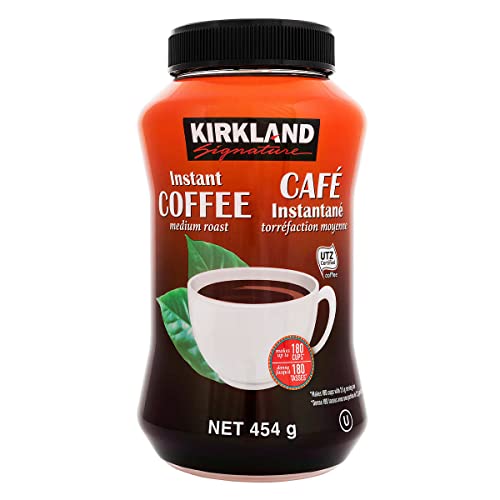
Understand the Roast Profile
The first step in selecting a coffee beverage is understanding how the roast affects flavor. Light roasts are characterized by higher acidity and more distinct, often floral or fruity, notes. These are excellent for those who enjoy a complex, tea-like coffee experience. Medium roasts offer a balanced middle ground, typically featuring nutty or chocolatey undertones with a smoother body. Dark roasts, on the other hand, are bold, heavy-bodied, and often have smoky or bittersweet notes. If you plan to add cream and sugar, a darker roast often holds its character better against additives, whereas a light roast might get lost in a sea of milk.
How you consume your coffee is just as important as the beans themselves. You must decide between 'ready-to-drink' (RTD) formats and 'prepare-at-home' formats. RTD beverages—such as canned cold brews, bottled lattes, or canned espressos—are designed for maximum convenience. Look for brands that prioritize minimal ingredients. A high-quality RTD coffee should ideally feature real milk or plant-based alternatives rather than heavy artificial creamers. If you prefer preparing your own, consider the grind. Pre-ground coffee is convenient, but if you have a grinder at home, buying whole beans ensures the highest level of freshness and aroma retention.
Flavor Profiles and Additives
Generic coffee beverages often fall into two camps: black coffee and flavored specialty drinks. If you are opting for flavored beverages, pay close attention to the sweetener used. Natural sweeteners like cane sugar or honey provide a cleaner finish than high-fructose corn syrup. For those seeking specialty flavors like vanilla, caramel, or hazelnut, check if the flavor is derived from natural extracts or synthetic syrups. Natural extracts provide a more nuanced, integrated taste, whereas synthetic syrups can sometimes leave a cloying, medicinal aftertaste that masks the quality of the coffee itself.
Acidity and Body
When reading descriptions, pay attention to 'body' and 'acidity.' Body refers to the mouthfeel—is the coffee thin and watery, or thick and syrupy? This is a key decision factor if you enjoy the creamy texture of a latte versus the crispness of a drip coffee. Acidity refers to the brightness or 'zing' of the coffee. High acidity can be refreshing in a chilled beverage but may be jarring if you prefer a mellow, low-acid cup. If you have a sensitive stomach, look for low-acid options, which are often achieved through darker roasting processes or specific bean varieties.
Sustainability and Sourcing
Finally, look for indicators of quality in sourcing. While many generic brands prioritize price, looking for certifications related to ethical farming can be a sign of a more conscientious producer. While not a guarantee of taste, brands that focus on single-origin beans or specific regional profiles (such as Ethiopian or Colombian) tend to offer a more consistent and intentional flavor profile than mass-produced blends that prioritize shelf-stability over character.