Understanding Roast Profiles
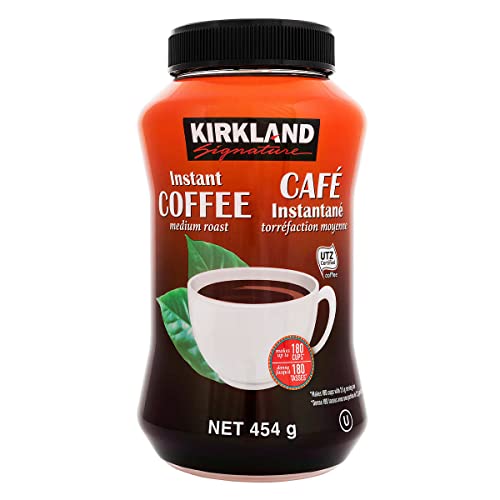
The roast level is the most immediate indicator of how your coffee will taste. A light roast preserves the unique characteristics of the bean's origin, often featuring floral, citrusy, or tea-like notes with higher acidity. These are ideal for pour-over methods where nuance is key. Medium roasts strike a balance, offering a more rounded body with notes of caramel or milk chocolate, making them the most versatile choice for drip machines. Dark roasts undergo a longer heating process, which breaks down the bean's original acidity in favor of smoky, bitter, or toasted notes. If you prefer a heavy mouthfeel and a punchy, intense flavor, dark roasts are your best bet, though they can sometimes mask the subtle complexities of the bean itself.
Origin and Single-Origin vs. Blends
Where the coffee was grown significantly impacts its flavor profile. Generally, coffees from Latin America (such as Colombia or Guatemala) tend to be well-balanced with nutty and chocolatey undertones. African origins, like Ethiopia or Kenya, are famous for their vibrant acidity and fruity, berry-like profiles. Asian origins, such as Indonesia, often provide earthy, spicy, and low-acid profiles. When choosing, decide if you want a 'Single-Origin' coffee, which focuses on the specific character of one location, or a 'Blend.' Blends are intentionally mixed to create a consistent, repeatable flavor profile that remains stable regardless of seasonal harvest variations, making them excellent for daily drinking.
Freshness and Processing Methods
The most important rule in coffee shopping is to check the 'Roast Date' rather than the 'Expiration Date.' Coffee is a perishable agricultural product. Once roasted, it begins to oxidize and lose its aromatic oils. For the best experience, look for bags that specify a recent roast date within the last few weeks. Additionally, pay attention to the processing method. 'Washed' coffees are typically cleaner and brighter, while 'Natural' or 'Dry' processed coffees undergo a fermentation period that imparts heavy fruitiness and a thicker body. Understanding these terms allows you to predict the texture and acidity of your brew before you even open the bag.
Finally, consider how you intend to brew your coffee. If you have a high-quality burr grinder at home, buying whole beans is always the superior choice, as it ensures the oils and aromas are preserved until the moment of extraction. If convenience is your priority, pre-ground coffee is acceptable, but you must match the grind size to your equipment. Coarse grinds are necessary for French presses to prevent over-extraction, while fine grinds are required for espresso to create the necessary pressure. Medium grinds are the standard for most automatic drip brewers. Always prioritize whole beans whenever possible to maintain the integrity of the flavor profile.