Water Hardness and Chemical Buffering
One of the most critical factors in selecting a detergent tablet is the mineral content of your local water supply. If you are operating in an area with hard water, a standard detergent will quickly fail, leaving calcium and magnesium deposits on plates and glasses. You need a tablet specifically formulated with high levels of sequestering agents and builders. These additives bind to minerals, preventing them from settling on your dishes. Conversely, in extremely soft water, a highly aggressive detergent can actually strip the protective finish off high-end stainless steel cutlery. Look for professional-grade tablets that mention 'buffering capacity' or are specifically rated for your local water hardness level to ensure consistent results without manual adjustments.
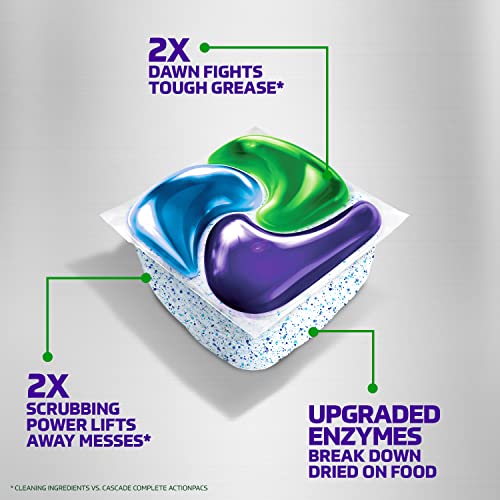
Commercial tablets generally fall into two categories: enzymatic and non-enzymatic. Enzymatic detergents are highly effective at breaking down complex organic matter, such as starches (pasta, potatoes) and proteins (meat, dairy), which are common in heavy-duty restaurant environments. These are ideal if your dishwasher cycle is relatively short, as the enzymes do the heavy lifting of loosening food particles. Non-enzymatic tablets rely more heavily on high alkalinity and surfactants to lift grease. While they may require a slightly longer wash cycle to achieve the same level of cleanliness, they are often more stable in temperature fluctuations and can be more cost-effective for high-volume establishments where the primary goal is rapid grease removal.
Dissolution Rate and Cycle Compatibility
A tablet is only as good as its ability to dissolve completely within the machine's programmed cycle. If a tablet is too dense or lacks the proper effervescent properties, you may find undissolved chunks of chemical at the bottom of your machine, which can clog spray arms and cause uneven cleaning. When evaluating a product, consider your machine's cycle length. If you utilize a 'rapid wash' or 'express cycle' to keep up with peak dining hours, you must select a fast-dissolving tablet designed for high-speed dispersion. A slow-dissolving tablet in a fast cycle is a recipe for sanitation failure and wasted product.
Concentration and Cost-Per-Wash
In the commercial world, the sticker price of a container is a deceptive metric. The true measure of value is the cost-per-wash. High-concentration tablets allow you to use a single unit per cycle without the need for supplemental liquid boosters, whereas lower-quality tablets may require 'double-dosing' to achieve professional results. Always calculate the total number of cycles provided in a container versus the price. Furthermore, consider the environmental footprint. Highly concentrated tablets reduce packaging waste and shipping weight, which can contribute to your establishment's sustainability goals while simultaneously lowering your long-term overhead.
Rinse Aid Integration
Some advanced commercial tablets are 'all-in-one' formulations that include integrated rinse-aid components. While these can simplify your inventory, most professional kitchens prefer to manage rinse aid separately via a dedicated dispenser. This allows for precise control over the drying phase. If you choose a standalone detergent tablet, ensure it is compatible with your existing rinse aid to prevent chemical interference, which can lead to spotting or a 'filmy' residue on glassware.