Understanding the Operational Cycle
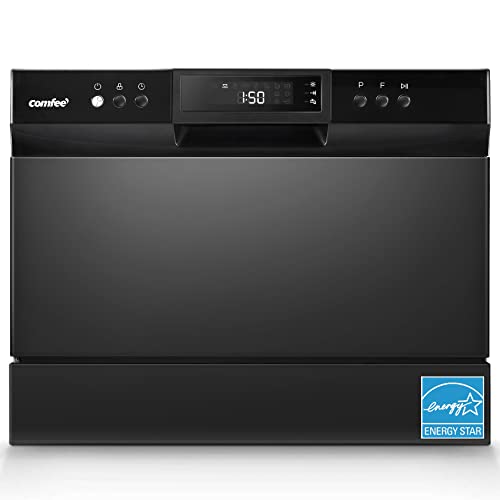
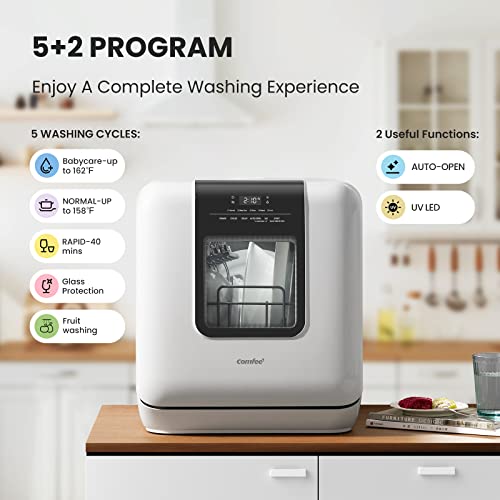
When selecting a push-button model, you must first decide between a door-type (hood-type) machine and a door-type pass-through. Door-type machines are the industry standard for push-button simplicity. You load a rack, pull the lever or press the start button, and the machine executes a pre-set wash and rinse sequence. Look for machines that offer distinct cycle buttons—such as a short cycle for lightly soiled glassware and a heavy-duty cycle for greasy stoneware. The ability to toggle between these cycles via tactile buttons ensures that your staff isn't wasting water or energy on cycles that are too long for the current task.
Capacity and Throughput Requirements
A common mistake is choosing a machine based on floor space rather than rack capacity. In a commercial setting, throughput is measured in racks per hour. If your establishment experiences sudden rushes, you need a machine that can complete a full cycle (wash, rinse, and drain) in under three minutes. Evaluate the internal dimensions of the machine to ensure it accommodates standard industry rack sizes. A machine that forces you to use custom or undersized racks will ultimately slow down your entire kitchen operation, regardless of how fast the button-press starts the cycle.
Heating Methods: Electric vs. Gas
The mechanism used to heat the water is a critical decision factor for your utility budget. Electric models are generally easier to install and offer precise temperature control, making them ideal for smaller venues with limited ventilation. However, gas-powered models often reach optimal sanitization temperatures faster and are more cost-effective for high-volume operations that run continuously throughout the day. When browsing push-button models, check if the machine features an integrated booster heater, which ensures the rinse water reaches the necessary temperature for true thermal sanitization.
Ease of Maintenance and Interface Durability
Since these machines are operated by high-frequency touch, the physical durability of the push buttons is paramount. Look for stainless steel construction and waterproof, membrane-style buttons that can withstand constant moisture and chemical exposure. Avoid interfaces that rely on sensitive touchscreens if your kitchen is particularly humid or greasy, as these can become unresponsive. Furthermore, prioritize models with easy-access filters and spray arms. A machine that is simple to start should also be simple to clean. If your staff cannot quickly remove debris from the wash arms, the efficiency of the push-button cycle will be negated by poor cleaning results.
Sanitization Standards
Finally, ensure the machine meets your local health department's requirements for sanitization. Most push-button commercial units offer a choice between chemical sanitization (using a built-in detergent dispenser) or high-temperature thermal sanitization. If you opt for thermal sanitization, the machine must be capable of reaching and maintaining specific temperature thresholds during the final rinse phase. A reliable machine will have clear indicators or lights that signal when the sanitization temperature has been reached, providing peace of mind to your kitchen manager.