Airflow Velocity and Drying Efficiency
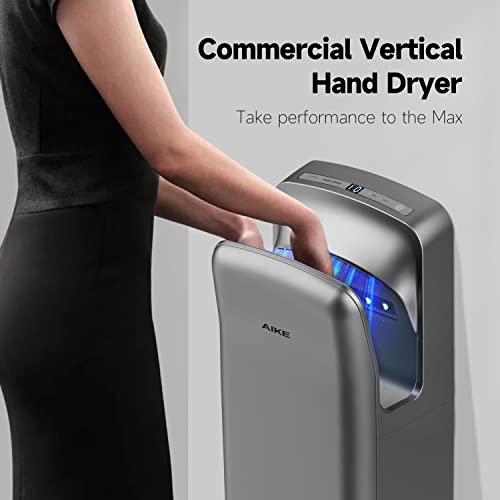
The primary metric for any commercial hand dryer is how quickly it can achieve a sanitary dry. Aike models often utilize high-speed jet technology, which uses concentrated air streams to strip moisture from hands rapidly. When comparing models, look for high CFM (Cubic Feet per Minute) ratings. A dryer with higher air velocity will reduce the time users spend at the station, which is critical for preventing congestion in busy restrooms. However, efficiency is not just about speed. It is about the consistency of the air pressure. Look for units designed to maintain high pressure even during peak usage periods.
Noise Levels and Acoustic Comfort
In many commercial settings, particularly in hotels or upscale restaurants, the acoustic impact of a hand dryer is a major consideration. High-velocity dryers are inherently louder due to the force of the air. If you are installing these in a space where quiet is valued, prioritize models that feature sound-dampening insulation or those designed with optimized airflow paths to minimize turbulence. A dryer that is excessively loud can create a stressful environment for users and may even be a nuisance to nearby dining or lounge areas.
Hygiene and Touchless Operation
In a post-pandemic landscape, touchless operation is non-negotiable. Aike's commercial line focuses on infrared sensor technology to ensure hands never come into contact with the machine. When evaluating these sensors, consider the detection range and reliability. A high-quality sensor should trigger instantly upon hand placement and shut off immediately when hands are removed to prevent energy waste. Furthermore, look for models with antimicrobial housing or easy-to-clean surfaces, as these help maintain a higher standard of cleanliness in shared spaces.
Energy Consumption and Sustainability
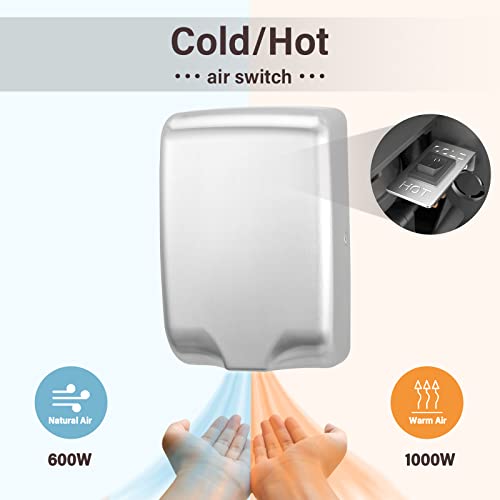
Commercial hand dryers are significant contributors to a building's electrical load. To optimize your operational budget, look for models that feature intelligent power management. This includes sensors that prevent the heating element from running unnecessarily and high-efficiency motors that provide maximum air movement with minimum wattage. Investing in a more energy-efficient unit may have a higher upfront cost, but the reduction in monthly utility expenses and the lower carbon footprint make it the superior choice for long-term facility management.
Durability and Installation Requirements
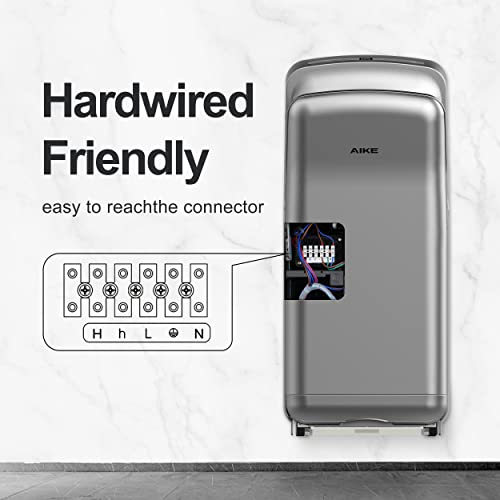
Commercial environments are harsh. The chassis of the dryer should be constructed from high-grade, impact-resistant materials—typically stainless steel or heavy-duty ABS plastic—to prevent damage from accidental contact. Additionally, consider the installation footprint. Some models are designed for slim profiles to save wall space, while others require specific electrical configurations. Ensure the model you choose aligns with your existing plumbing and electrical infrastructure to avoid costly retrofitting during installation.