Prioritize Airflow Impedance and Mesh Density
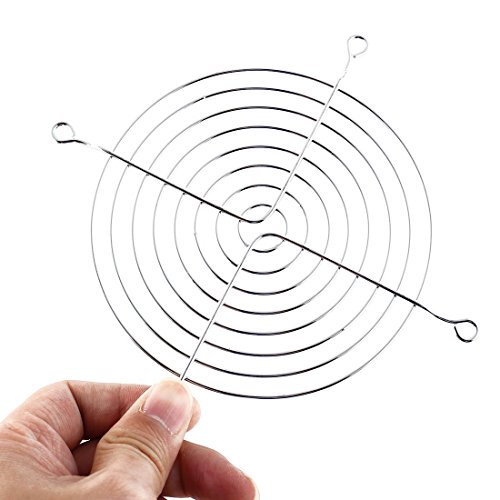
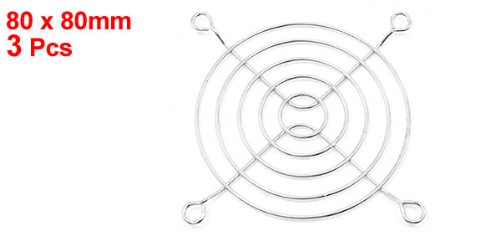
The most critical technical specification to evaluate is the airflow impedance. Not all grilles are created equal. Some prioritize aesthetics with fine, tightly woven meshes that look sleek but act as a bottleneck for cooling fans. When selecting a grille, look for a high 'open area percentage.' This refers to the ratio of empty space to solid material. For high-performance builds, a hexagonal or honeycomb pattern is often superior to traditional square mesh, as it provides structural rigidity while maintaining large, unobstructed pathways for air to move through. If you are using high-RPM fans, a grille with too much surface area will create turbulence and acoustic noise, effectively turning your cooling system into a whistle.
Material Composition and Durability
Because computer grilles are often positioned near intake vents where they are subject to constant air pressure and environmental dust, material choice is vital. Aluminum is the gold standard for mid-to-high-end grilles because it offers an excellent strength-to-weight ratio and naturally dissipates heat. It is also highly resistant to corrosion. For budget-conscious setups or internal shielding, powder-coated steel is a viable alternative, offering extreme durability against physical impact. Avoid low-grade plastics for external grilles, as they can become brittle over time due to the constant temperature fluctuations inherent in computer operation, and they do little to assist in heat dissipation.
Dust Filtration vs. Airflow Balance
A major decision factor is whether you require integrated filtration. A 'clean' grille is simply a protective screen, whereas a 'filter' grille includes a fine mesh designed to trap particulates. If your computing environment is prone to dust—such as a workshop or a carpeted home office—investing in a grille with replaceable or washable dust filters is a smart move. However, be aware of the trade-off: the finer the filter, the higher the resistance to airflow. If you opt for a filtration-heavy grille, ensure your chassis fans have high static pressure ratings to compensate for the added resistance, otherwise, your internal temperatures will spike despite the extra protection.
Installation and Compatibility
Before purchasing, you must verify the mounting mechanism. Computer grilles generally fall into three categories: screw-mounted, snap-in, or magnetic. Screw-mounted grilles are the most secure and are ideal for industrial or server environments where vibration might loosen other components. Magnetic grilles are incredibly convenient for quick cleaning and easy repositioning, making them a favorite for desktop enthusiasts, but they may not provide the same level of structural security. Ensure the dimensions of the grille align perfectly with your chassis's vent patterns to avoid gaps that allow unfiltered air to bypass your cooling system.
Recommendation Logic
When making your final selection, use this hierarchy: First, determine your environment (dusty vs. clean). If dusty, prioritize filtration with high-static pressure fans. Second, determine your performance needs (overclocked vs. standard). If overclocked, prioritize maximum open-area honeycomb patterns. Finally, choose your mounting style based on how often you intend to clean the unit. A magnetic aluminum grille is the premium choice for most users, offering the best balance of ease of use, airflow, and thermal conductivity.