Understanding Sensor Technology and DPI
The heart of any mouse is its optical or laser sensor. When browsing, you will frequently see the term DPI (Dots Per Inch). It is important to understand that a higher DPI does not inherently mean a 'better' mouse. Rather, it refers to the sensitivity of the sensor. A high DPI allows for much faster cursor movement with minimal physical hand motion, which is ideal for high-resolution monitors. However, for precision tasks like photo editing or tactical gaming, you want a sensor with high 'accuracy' and minimal 'jitter.' Look for mice that offer adjustable DPI settings, allowing you to toggle between a slow, controlled speed for fine work and a fast speed for general navigation.
Ergonomics and Grip Styles
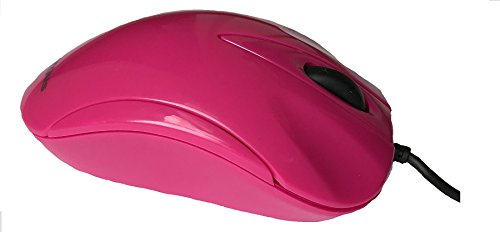
A mouse that feels great for five minutes might cause wrist fatigue after five hours. Ergonomics are highly subjective and depend heavily on your 'grip style.' Most users fall into one of three categories: Palm Grip (the entire hand rests on the mouse), Claw Grip (the palm rests on the back, but fingers are arched), or Fingertip Grip (only the fingertips touch the device). If you have larger hands, look for contoured, asymmetrical designs that support the arch of your palm. If you prefer lightweight, agile movements, a smaller, symmetrical mouse may be more effective. Pay close attention to the weight of the device. Heavy mice provide a sense of stability and premium build, while ultra-lightweight mice reduce friction and fatigue during rapid movements.
Connectivity: Wired vs. Wireless
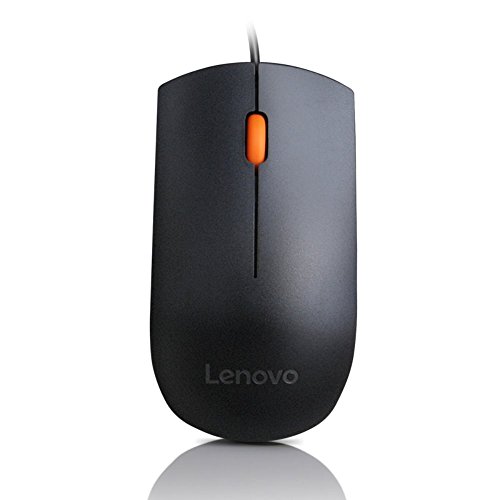
The debate between wired and wireless connectivity has shifted significantly in recent years. Historically, wireless mice suffered from input lag and frequent battery failures. Modern high-end wireless mice now utilize dedicated 2.4GHz radio frequency dongles that offer latency levels virtually indistinguishable from wired connections. If you prioritize a clean, cable-free desk aesthetic and mobility, a high-quality wireless mouse is a stellar choice. However, if you are on a strict budget or simply want to never worry about charging a battery, a wired mouse remains the most reliable and cost-effective option, providing a consistent, uninterrupted signal.
The number of buttons on your mouse should be dictated by your workflow. For standard office work, a two-button setup with a scroll wheel is sufficient. However, for productivity power users, extra side buttons can be mapped to common commands like 'Copy,' 'Paste,' or 'Undo,' significantly speeding up repetitive tasks. Gamers often require even more programmable buttons for complex macros. When selecting a mouse, check if the software allows for deep customization of these buttons and the ability to save profiles directly to the mouse's onboard memory, which ensures your settings follow you even if you plug the device into a different computer.
Build Quality and Switch Longevity
Finally, consider the mechanical components. The 'switches' (the mechanism that registers a click) have a rated lifespan, usually measured in millions of clicks. High-quality optical switches are often preferred over traditional mechanical ones because they use light to register a click, eliminating the possibility of 'double-clicking' issues caused by physical wear. Additionally, look for textured surfaces or rubberized grips that prevent your hand from slipping during intense sessions or if your hands become slightly damp.