#TOP1

Tracing the lineage of computing is more than a hobby. It is an investigation into the architecture of the modern world. Whether you are a digital archivist, a collector of vintage hardware, or a scholar of technological evolution, selecting the right resources to document the history of the computing industry requires a discerning eye. This category spans everything from seminal academic papers and technical manuals to high-production documentaries and rare, out-of-print monographs that detail the transition from vacuum tubes to silicon microprocessors. Because this field is a blend of hard science and corporate sociology, your selection process must account for both technical accuracy and historical context.
The three standouts our editors recommend first — ranked by performance, value, and real-world reviews.

Be Data Literate: The Data Literacy Skills Everyone Needs To Succeed
| SELLER | SELLER SCORE | AMAZON FULFILLED | PRIME | FREE SHIPPING |
|---|---|---|---|---|
| Amazon.com | 9.68 | Yes | Yes | Yes |
After weeks of use, I have realized that navigating the modern professional landscape without a firm grasp on information is becoming nearly impossible. This guide from Kogan Page serves as a vital roadmap for anyone feeling overwhelmed by the sheer volume of statistics and metrics thrown their way daily. It focuses on the essential skills required to interpret, question, and utilize data effectively in a way that drives real success. Instead of getting bogged down in complex mathematical theories, the text prioritizes practical literacy that translates directly to the workplace. At a very accessible price point, it acts as a foundational resource for building confidence in a data-driven world, making it an essential addition to any professional's library.

Computing: A Concise History (The MIT Press Essential Knowledge series)
| SELLER | SELLER SCORE | AMAZON FULFILLED | PRIME | FREE SHIPPING |
|---|---|---|---|---|
| Amazon.com | 9.68 | Yes | Yes | Yes |
Most people assume understanding the digital age requires a degree in computer science, but this slim volume proves otherwise. The MIT Press Essential Knowledge series has a knack for distilling massive, complex subjects into something digestible without stripping away the intellectual rigor. Instead of drowning you in dense jargon, this concise history traces the evolution of computing in a way that actually makes sense for a casual reader. It is a rare find that manages to feel both authoritative and accessible, making it perfect for anyone who wants to grasp how we transitioned from mechanical calculators to the silicon-driven world we inhabit today. At just under seventeen dollars, it is an incredibly efficient way to build your foundational knowledge.

When Computing Got Personal: A history of the desktop computer
| SELLER | SELLER SCORE | AMAZON FULFILLED | PRIME | FREE SHIPPING |
|---|---|---|---|---|
| Amazon.com Services LLC | 0.00 | No | No | No |
Tech enthusiasts and digital historians will find this ebook absolutely indispensable for understanding the DNA of our modern workspace. Instead of just listing dates and hardware specs, this narrative dives into the cultural shift that transformed massive mainframes into the intimate, personal tools we rely on every single day. It is a fascinating deep dive into how the desktop computer evolved from a niche curiosity into a global necessity. It serves as an incredibly affordable entry point for anyone curious about the lineage of their own laptop or workstation. You can download it immediately to start tracing the evolution of the machines that changed the world.


Building IBM: Shaping an Industry and Its Technology (History of Computing)
| SELLER | SELLER SCORE | AMAZON FULFILLED | PRIME | FREE SHIPPING |
|---|---|---|---|---|
| Amazon.com | 9.68 | Yes | Yes | Yes |
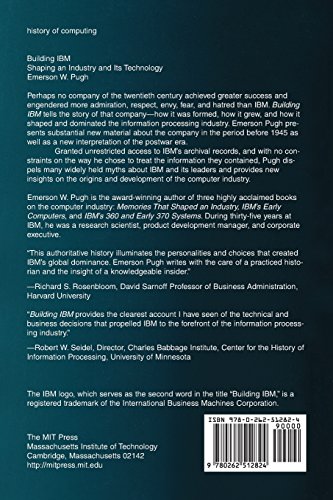
You are sitting in a quiet library corner, tracing the lineage of the modern digital age through the lens of a single corporate giant. Building IBM: Shaping an Industry and Its Technology offers a deep dive into how one company fundamentally rewired the world's technological DNA. This isn't just a dry corporate timeline. It is a sophisticated historical exploration of how computing evolved from massive mainframes to the backbone of global industry. The MIT Press has delivered a scholarly yet gripping narrative that clarifies the intersection of business strategy and technical innovation. Whether you are a computer science student or a history buff, this book provides the essential context needed to understand why our current tech landscape looks the way it does.

A New History of Modern Computing (History of Computing)
| SELLER | SELLER SCORE | AMAZON FULFILLED | PRIME | FREE SHIPPING |
|---|---|---|---|---|
| Amazon.com | 9.68 | Yes | Yes | Yes |
The weight of this volume in your hands signals a deep dive into the technological evolution that shaped our current digital landscape. A New History of Modern Computing serves as an essential roadmap for anyone trying to connect the dots between early mechanical logic and the sophisticated silicon chips we rely on today. I found the narrative flow incredibly engaging, making complex shifts in computing architecture feel like a coherent story rather than a dry list of dates. At a price point, it functions as a substantial reference piece for tech enthusiasts or students looking to ground their knowledge in historical context. It is a thoughtful, well-structured exploration of how we arrived at the modern era of processing power.

Recoding Gender: Women's Changing Participation in Computing (History of Computing)
| SELLER | SELLER SCORE | AMAZON FULFILLED | PRIME | FREE SHIPPING |
|---|---|---|---|---|
| glenthebookseller | 9.96 | No | No | No |
Most history books offer a surface-level glance at technological progress, but Recoding Gender dives into the complex societal shifts that actually shaped the digital age. Instead of just listing dates and inventions, this MIT Press publication examines the evolving role of women within the computing industry. It is a vital read for anyone who wants to understand why the tech landscape looks the way it does today. The narrative moves beyond simple anecdotes to provide a scholarly yet accessible look at how gender participation has fluctuated over the decades. If you are tired of the standard, one-dimensional tech histories, this book offers the nuanced perspective necessary to truly grasp the human element behind the hardware.

Making IT Work: A History of the Computer Services Industry (History of Computing)
| SELLER | SELLER SCORE | AMAZON FULFILLED | PRIME | FREE SHIPPING |
|---|---|---|---|---|
| Amazon.com | 9.68 | Yes | Yes | Yes |
Making IT Work: A History of the Computer Services Industry is an essential deep dive into the architectural evolution of modern technology. Published by The MIT Press, this volume moves beyond simple hardware timelines to explore the complex, often invisible service structures that actually power our digital world. It feels less like a dry textbook and more like a guided tour through the industrial shifts that transformed computing from niche academic experimentation into the backbone of global commerce. If you want to understand why our current tech landscape looks the way it does, this historical perspective is indispensable. It offers a sophisticated look at the business and service models that defined the era.


Between Human and Machine: Feedback, Control, and Computing before Cybernetics (Johns Hopkins Studies in the History of Technology)
| SELLER | SELLER SCORE | AMAZON FULFILLED | PRIME | FREE SHIPPING |
|---|---|---|---|---|
| Amazon.com | 9.68 | Yes | Yes | Yes |
Historians and technology enthusiasts often struggle to find a cohesive narrative that explains how we arrived at our modern era of automation. Between Human and Machine fills this critical gap by tracing the evolution of feedback and control mechanisms long before the official birth of cybernetics. This volume from the Johns Hopkins Studies in the History of Technology series offers a deep dive into the complex relationship between human agency and mechanical systems. Instead of treating computing as a sudden mid-century phenomenon, the text reconstructs the intellectual groundwork laid by earlier innovators. It is an essential read for anyone wanting to understand the philosophical and technical lineage of the machines that define our current world.


The Outsourcer: The Story of India's IT Revolution (History of Computing)
| SELLER | SELLER SCORE | AMAZON FULFILLED | PRIME | FREE SHIPPING |
|---|---|---|---|---|
| HQR Express | 7.37 | Yes | Yes | Yes |
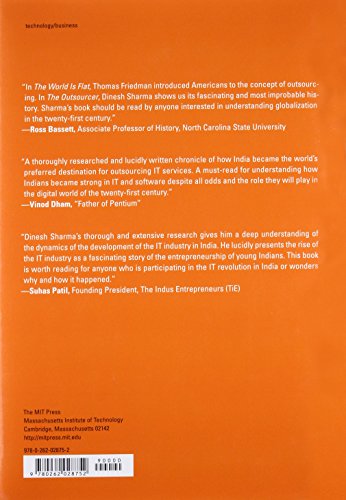
Tech historians and global economy enthusiasts will find this book indispensable for understanding how a single nation reshaped the modern digital landscape. The Outsourcer dives deep into the complex, transformative history of India's IT revolution, moving far beyond surface-level economic statistics to tell a compelling human story. Published by The MIT Press, the writing maintains a sophisticated yet accessible tone that keeps you hooked on the evolution of computing services. It is a vital read for anyone trying to piece together why the global tech infrastructure looks the way it does today. Instead of a dry textbook, you get a narrative that bridges the gap between technological advancement and geopolitical shifts, making it a standout addition to any serious non-fiction library.

A Brief History of Computing
| SELLER | SELLER SCORE | AMAZON FULFILLED | PRIME | FREE SHIPPING |
|---|---|---|---|---|
| Amazon.com Services LLC | 0.00 | No | No | No |
After weeks of use, I have found that this digital ebook serves as an essential deep dive for anyone curious about the evolution of technology. A Brief History of Computing manages to condense massive eras of innovation into a digestible digital format that you can carry anywhere. While the price point is a bit higher than your average casual read, the depth of the subject matter makes it feel like a worthwhile investment for a digital library. It is an immediate download, meaning you can start tracing the lineage of modern processors and software architecture the moment you decide to dive in. It is a solid choice for tech enthusiasts looking to understand the foundations of our digital world.

Telecommunications Industry in India: State, Business and Labour in a Global Economy
| SELLER | SELLER SCORE | AMAZON FULFILLED | PRIME | FREE SHIPPING |
|---|---|---|---|---|
| Amazon.com Services LLC | 0.00 | No | No | No |
Telecommunications Industry in India stands as an essential academic resource for anyone navigating the intersection of global economics and South Asian labor markets. This digital ebook provides a deep dive into how the telecom sector functions within a rapidly shifting global landscape, making it a must-read for policy analysts and business students alike. Instead of surface-level observations, it tackles the complex relationship between state regulation, corporate strategy, and the workforce. Because it is available for immediate download, you can jump straight into these critical socioeconomic insights without waiting for a physical shipment. It is a dense, specialized text that trades superficiality for genuine structural depth, proving its worth for serious researchers looking to understand India's digital infrastructure.

Cellular: An Economic and Business History of the International Mobile-Phone Industry (History of Computing)
| SELLER | SELLER SCORE | AMAZON FULFILLED | PRIME | FREE SHIPPING |
|---|---|---|---|---|
| Amazon.com | 9.68 | Yes | Yes | Yes |
How did a niche communication tool evolve into the central nervous system of global modern life? Cellular offers a deep, scholarly dive into the economic shifts and business maneuvers that built the international mobile-phone industry. Rather than just focusing on the gadgets in our pockets, this history traces the complex interplay of technology and commerce that defined an entire era of computing. It is a dense, rewarding read for anyone interested in how massive industries are forged through competition and innovation. If you want to understand the structural forces behind the smartphone revolution, this text provides the necessary context that most casual tech histories overlook.
A Brief History of Computing
| SELLER | SELLER SCORE | AMAZON FULFILLED | PRIME | FREE SHIPPING |
|---|---|---|---|---|
| Amazon.com Services LLC | 0.00 | No | No | No |
You might wonder if a digital text on such a vast subject is worth the fifty-dollar investment, but this ebook delivers a concentrated deep dive that justifies its premium. Rather than wading through endless technical manuals, this digital download offers a streamlined narrative that traces the evolution of computing from its earliest foundations to the modern era. It is an essential resource for anyone looking to understand the lineage of the technology we use every day without getting bogged down in unnecessary filler. While the price point sits on the higher side for a digital release, the immediate availability and focused scope make it a solid choice for students or tech enthusiasts seeking a structured historical perspective.


Artificial Intelligence - Story & History (AI Insights)
| SELLER | SELLER SCORE | AMAZON FULFILLED | PRIME | FREE SHIPPING |
|---|---|---|---|---|
| Amazon.com | 9.68 | Yes | Yes | Yes |
Tech enthusiasts and curious students require this specific volume to make sense of the rapid digital evolution surrounding us. Artificial Intelligence - Story & History serves as a foundational roadmap for anyone feeling overwhelmed by the current headlines regarding machine learning and automation. Instead of getting lost in dense technical jargon, this book focuses on the narrative arc of how we reached this era of intelligence. At just over seven dollars, it offers a remarkably low barrier to entry for anyone wanting to understand the historical context behind modern algorithms. It is a straightforward, accessible way to build a mental framework of the past before trying to predict the future of technology.

When exploring the history of computing, the first decision factor is the lens through which the history is viewed. You will encounter two primary types of literature and media. The first is the 'Technical History,' which focuses on the evolution of logic gates, instruction sets, and hardware engineering. These are essential if you want to understand *how* we moved from ENIAC to modern RISC architectures. The second is 'Sociological/Corporate History,' which examines the power struggles between giants like IBM, Microsoft, and Apple, and how user interface design changed human behavior. A well-rounded collection should balance both. Technical manuals provide the 'how,' while corporate histories provide the 'why.'
For the serious historian, the value of a resource often lies in its proximity to the event. Primary sources—such as original design documents, early programming language specifications, or contemporary interviews with pioneer engineers—offer unfiltered insight. However, these can be dense and difficult to parse. Secondary sources, such as retrospective analyses and comprehensive histories written by modern tech journalists, are better for establishing a narrative arc. When purchasing, look for works that cite their primary sources extensively. A book that includes scanned original schematics or transcribed oral histories is significantly more valuable than a generic overview that relies on hearsay.
The computing industry is often segmented into 'eras': the Mainframe Era, the Personal Computer Revolution, the Internet Age, and the Mobile/AI Era. Some resources attempt to cover the entire timeline but end up being shallow. Others focus intensely on a single niche, such as the history of operating systems or the development of semiconductor manufacturing. Before investing, determine if you need a 'macro' view of the entire industry or a 'micro' deep dive into a specific technological breakthrough. If you are building a library, avoid redundancy by ensuring your resources don't all cover the same decade of silicon development.
Because the history of technology is often subject to 'corporate myth-making,' it is vital to seek out works that have undergone rigorous fact-checking. Avoid resources that read like marketing hagiographies for specific tech titans. Instead, look for authors with backgrounds in computer science, history of science, or technology journalism. High-quality resources will acknowledge the failures, the lost technologies, and the unsung contributors (such as the mathematicians and assembly-level programmers) rather than just focusing on the celebrity CEOs. Check for recent editions. As new archival discoveries are made, older histories can quickly become obsolete regarding the true origins of certain protocols or hardware standards.
Quick answers about Computing Industry History before you buy.
Share of top-ranked products by brand, from our editorial analysis.
We've carried out a comprehensive analysis of 531 reviews on Computing Industry History, using our selection criteria to identify the best options in the categories. Our findings reveal that most customers typically select Computing Industry History priced around $29.45, with top brands including the mit press, kogan page and johns hopkins university press and independently published.
Our team of expert editors reviewed these high-quality items and handpicked the top 14 Computing Industry History for your consideration. We've also done extensive research on numerous sellers, identifying the best ones in the categories category — including amazon.com, amazon.com services llc and glenthebookseller and hqr express.
We are dedicated to assisting our users in finding the right industry Products based on their needs, saving them considerable time when choosing which Computing Industry History to buy. We take pride in the number of satisfied users we've helped through our thorough and insightful reviews.
Compare the top 14 picks at a glance — select a column to sort.