Material Composition and Weight
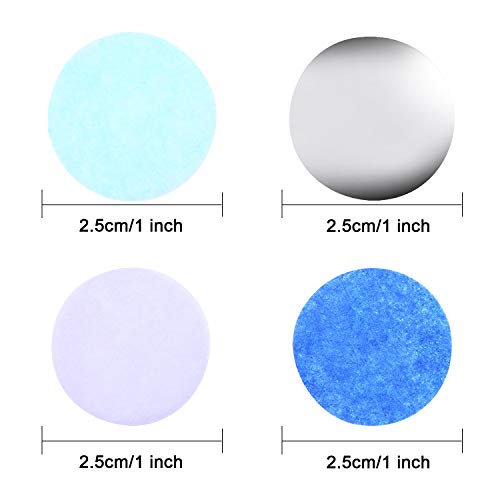
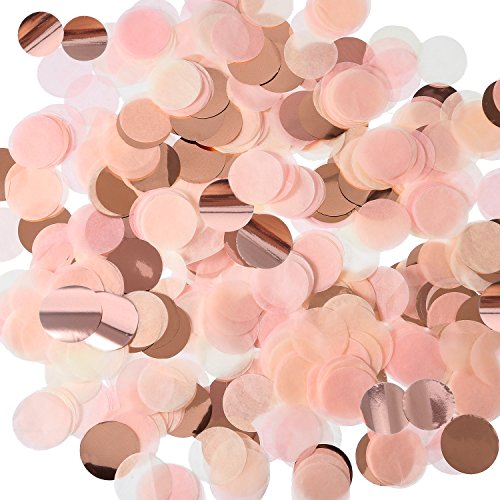
The most critical decision factor for any confetti purchase is the material. Tecunite-style confetti often falls into two categories: metallic foil and premium paper. Metallic foil provides an unparalleled shimmer, catching stage lights and sunlight to create a glittering effect that paper simply cannot replicate. However, foil is heavier and tends to fall faster, which is ideal for 'showers' where you want the confetti to cascade quickly over a crowd. On the other hand, lightweight premium paper is better for 'floating' effects. Paper confetti catches the air, drifting slowly and creating a dreamlike, ethereal atmosphere. When choosing, consider your venue's airflow. If you are outdoors, heavier metallic pieces are less likely to blow away instantly, whereas lightweight paper might vanish in a light breeze.
Shape and Surface Area
The geometry of the confetti piece significantly impacts its flight pattern. Traditional circular cuts are standard, but they tend to fall in a predictable, somewhat uniform manner. If you want a more dynamic, chaotic, and visually interesting dispersal, look for irregular shapes such as hexagons, stars, or custom die-cut patterns. Die-cut shapes have more surface area relative to their weight, which allows them to 'flutter' through the air. This extended hang-time is essential for photography. The longer the piece stays in the air, the more opportunities you have to capture that perfect, high-speed shot of the celebration in motion.
Color Vibrancy and Light Interaction
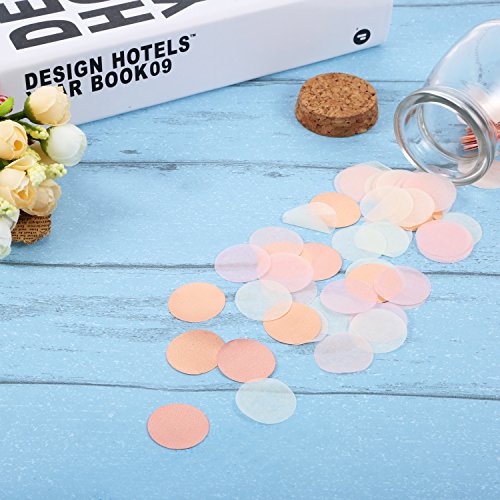
Do not choose colors based solely on a static image. You must consider how the material interacts with your specific lighting environment. In a dimly lit club or concert setting, high-contrast metallic colors like gold, silver, or holographic finishes are necessary to ensure the confetti is visible. In a bright, natural light setting like a garden wedding, matte-finish paper in pastel tones can look much more sophisticated. If your event features heavy strobe lighting or moving LED heads, holographic confetti is the superior choice, as it will shift colors dynamically as it falls, adding a layer of kinetic energy to the visual experience.
Environmental Impact and Cleanup
A professional-grade purchase must account for the 'aftermath.' If you are hosting an event in a public space, a park, or a venue with strict environmental policies, you should prioritize biodegradable paper options. Many premium confetti lines now offer eco-friendly cellulose-based materials that provide the same visual pop as plastic but break down much more easily. Furthermore, consider the 'cleanability' of the shape. Very small, micro-sized confetti is notoriously difficult to vacuum or sweep, often getting trapped in floor crevices. For easier post-event management, opt for medium-sized pieces that are large enough to be easily collected but small enough to provide a dense visual cloud.
Dispersion Method Compatibility
Finally, ensure the confetti you select is compatible with your delivery method. If you are using handheld cannons, you need a density that won't clog the mechanism. If you are using professional CO2-powered confetti blowers, you need a specific weight-to-size ratio to ensure the air pressure can propel the material to the desired height. Always match your confetti type to your hardware to avoid mechanical failures mid-celebration.