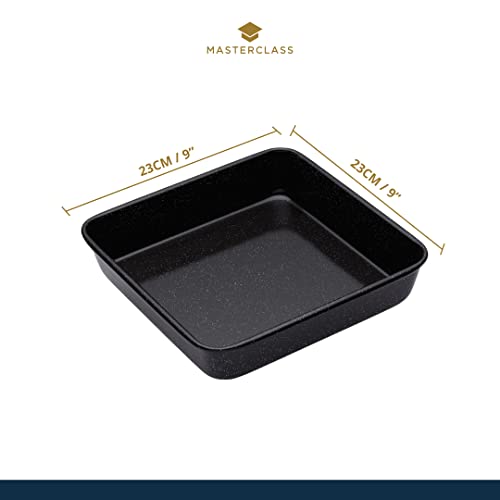
Material Composition and Heat Conductivity
The most critical decision in selecting a master-class sheet is the material. Most home bakers default to thin aluminum, but for precision baking, you should look for heavy-gauge aluminized steel or high-quality heavy-gauge aluminum. Aluminum is an excellent conductor of heat, meaning it responds quickly to temperature changes, which is vital for delicate cookies like macarons or shortbread. However, if you are looking for more even heat distribution that prevents 'hot spots,' aluminized steel is often preferred by professionals. It offers the structural integrity of steel with the superior thermal conductivity of aluminum, ensuring that the heat wraps around the dough evenly rather than spiking in specific areas of the pan.
Gauge and Structural Integrity
In the world of professional baking, 'gauge' refers to the thickness of the metal. A master-class sheet should never be flimsy or prone to warping under high heat. When a sheet warps, it creates an uneven surface that causes cookies to spread inconsistently. Look for sheets labeled as 'heavy-duty' or those with a high gauge number (where a lower number typically indicates thicker metal). A thick sheet provides thermal mass, which acts as a buffer. This buffer prevents the temperature of the pan from dropping too drastically when you slide cold dough onto it, helping to maintain a stable baking environment throughout the entire cycle.
Surface Finish and Non-Stick Properties
There are two schools of thought regarding surface finishes: seasoned natural metal and non-stick coatings. For a true master-class experience, many professionals prefer a natural, unlined aluminum sheet that has been properly 'seasoned' through repeated use. This allows for a more controlled browning process. However, if you frequently bake high-sugar recipes like meringue-based cookies or highly delicate financiers, a high-quality, professional-grade non-stick coating can be a lifesaver. If you choose a coated sheet, ensure it is PFOA-free and designed for high-heat durability, as cheap coatings can degrade and flake off, ruining both your cookies and your health.
Rim Height and Airflow Dynamics
The height of the rim (the edge of the sheet) is often overlooked but is essential for specific types of cookie baking. Low-profile sheets (often called jelly rolls or half-sheets) are ideal for cookies that require maximum airflow around the edges to achieve a crisp perimeter. If you are baking cookies that involve significant spreading or those that might overflow (like certain stuffed cookie recipes), a slightly higher rim provides a safety margin. Furthermore, ensure the edges of the sheet are rolled or reinforced. This prevents the edges from curling inward over time, which can trap grease and lead to uneven heating.
Maintenance and Longevity
A professional tool is an investment. When selecting your sheets, consider how they will be cleaned. Avoid sheets with intricate textures or heavy embossing that can trap burnt sugar and debris, making them difficult to sanitize. A smooth, flat surface is the gold standard for easy cleaning and consistent contact with parchment paper or silicone mats. A truly master-class sheet should be able to withstand years of high-heat cycles and frequent scrubbing without losing its flatness or its ability to conduct heat predictably.