Understanding Grit and Texture
The most critical factor in selecting a cornmeal is the 'grit' size. In the world of corn milling, texture dictates how the meal absorbs liquid and how it feels on the palate. Fine-ground cornmeals are ideal for batters, such as those used for traditional cornbread or delicate corn muffins, where a consistent, cake-like crumb is desired. Medium-grind options provide a middle ground, suitable for thickening soups or making lighter grits. If you are looking to make authentic Italian polenta or hearty, textured grits, you should opt for coarse or stone-ground varieties. These larger particles maintain their structure during long simmering processes, providing a satisfying chew that fine meals simply cannot replicate.
Stone-Ground vs. Standard Milling
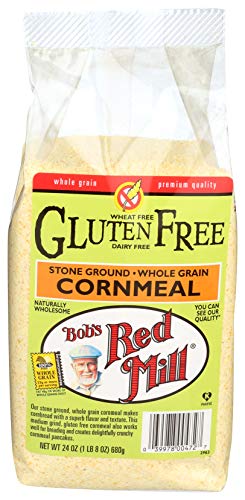
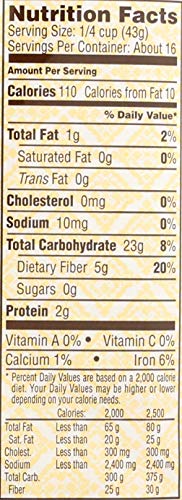
A key distinction within the Bob's Red Mill lineup is the difference between their standard cornmeals and their stone-ground varieties. Standard cornmeal is often more uniform and predictable, making it a safe bet for baking recipes that require precise hydration. However, stone-ground cornmeal is processed using traditional methods that keep the germ and bran intact. This results in a much richer, more complex flavor profile and a higher nutritional density. While stone-ground meal may require slightly more liquid and a longer cooking time due to the presence of the natural oils and fibers, the depth of corn flavor is significantly superior for standalone dishes like porridge.
Flavor Profiles and Corn Varieties
Not all corn is created equal. While yellow cornmeal is the classic choice for its mild, slightly sweet profile, you should also consider if your recipe calls for something more robust. Some varieties offer a nuttier undertone, while others are designed to be neutral enough to act as a coating for fried proteins. When selecting your meal, consider the intended application: a sweet breakfast porridge benefits from the natural sugars of yellow corn, whereas a savory side dish might benefit from the earthiness of a more rustic, minimally processed grind.
Culinary Application Logic
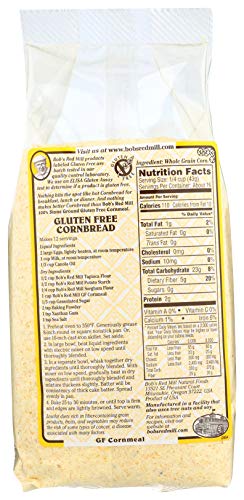
To make the right decision, work backward from your finished dish. If your goal is a crispy coating for fried chicken or fish, look for a coarse grind that can create a rugged, crunchy exterior. If you are making a creamy, smooth grits dish, prioritize fine or medium textures. For those focused on health and whole-grain integrity, the stone-ground, organic options will provide the most fiber and micronutrients. Always check the ingredient list to ensure you are getting pure corn without unnecessary additives, ensuring that the natural sweetness of the grain remains the star of your meal.