Identify Your Cough Type First
The most critical step in selecting a cough syrup is determining whether your cough is 'productive' or 'non-productive.' A productive cough is one that brings up mucus or phlegm. It is your body's way of clearing your airways. A non-productive cough, often called a dry cough, is characterized by a tickle in the throat and no mucus production. Using an expectorant on a dry cough won't help, and using a suppressant on a productive cough might actually prevent your body from clearing necessary congestion. Always diagnose your symptom before reading the ingredient list.
Understand the Active Ingredients
Once you know your cough type, you can look for the specific pharmacological agents required to treat it. There are three main categories of ingredients you will encounter:
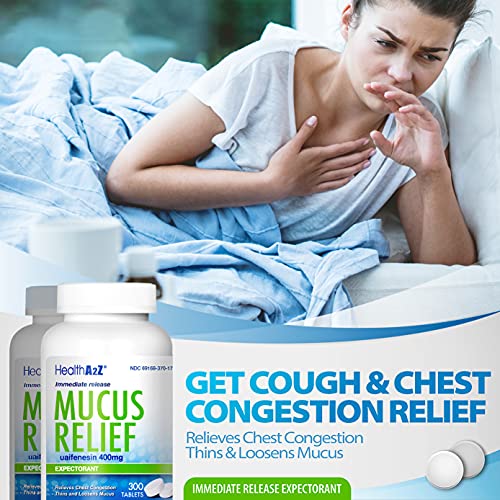
- Expectorants: These are designed for productive coughs. They work by thinning the mucus in your lungs and airways, making it easier to cough up. The most common ingredient in this class is guaifenesin.
- Suppressants (Antitussives): These are intended for dry, hacking coughs that keep you awake at night. They work by blocking your cough reflex. Dextromethorphan is the standard ingredient found in most over-the-counter suppressants.
- Demulcents: Often found in natural or herbal syrups, these work by coating the irritated mucous membranes of the throat. Ingredients like honey or glycerin provide a physical barrier that soothes the 'tickle' sensation.
Consider Additional Symptom Relief
Coughs rarely travel alone. Often, they are accompanied by sore throats, nasal congestion, or low-grade fevers. Many boxed syrups are 'multi-symptom' formulas. If you have a runny nose alongside your cough, look for a syrup that includes an antihistamine or a decongestant. However, be cautious with multi-symptom formulas if you are already taking other medications. You want to avoid 'double-dosing' on the same active ingredient, which can be dangerous.
While the active ingredients are the priority, the delivery method matters for comfort and compliance. Some syrups are thick and viscous, which is excellent for coating a sore throat but can be difficult to swallow if you are feeling nauseous. Others are thinner and more liquid-based. Additionally, pay attention to sugar content. If you are monitoring your glucose levels or prefer a more natural approach, look for sugar-free or honey-based formulations. For children, always ensure the syrup is specifically formulated for their age group, as many adult strengths contain ingredients that are unsafe for toddlers.
Summary Recommendation Logic
To make your final decision, follow this logic: If you are coughing up gunk, prioritize Guaifenesin. If you have a dry, irritating cough that prevents sleep, prioritize Dextromethorphan. If your throat is the primary source of pain, look for a demulcent-heavy or honey-based syrup. If you are fighting a full cold, opt for a multi-symptom blend, but always check the labels of your other medications first.