Understanding Material Composition
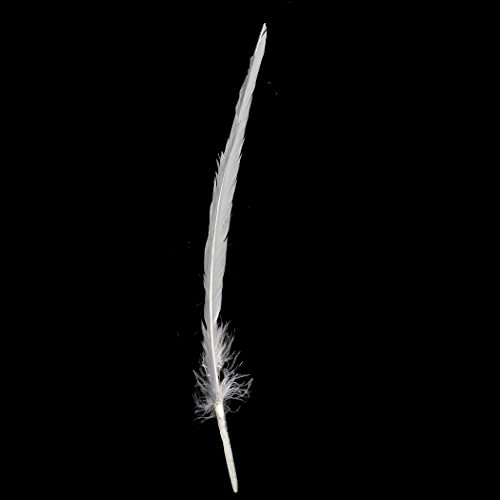
The first decision you must make is choosing between natural feathers and synthetic alternatives. Natural feather boas, typically made from ostrich, marabou, or coquina, offer an unparalleled level of movement and organic texture. Ostrich boas are prized for their long, flowing plumes that catch the light beautifully, making them ideal for high-end costume design. Marabou, on the other hand, is denser and softer, providing a classic 'fluffy' look often seen in vintage cabaret styles. If your project requires a specific silhouette—such as a structured, voluminous look—natural feathers are your best bet. Conversely, synthetic boas made from faux fur or fine polyester fibers are excellent for budget-conscious crafts or environments where allergies to real feathers might be a concern. Synthetic options are also significantly easier to clean and tend to hold their shape better during repetitive handling.
Evaluating Density and Volume
One of the most common pitfalls in purchasing craft boas is the 'sparse effect.' A low-quality boa may appear full in packaging but reveals a thin, stringy core once unrolled. To avoid this, look for descriptions that emphasize 'high density' or 'fullness.' A high-quality boa should have a thick layer of material that completely obscures the central cord or string. If you are using the boa for a garment, density is crucial to ensure it drapes elegantly rather than looking limp. For craft projects like wreaths or headbands, you may actually prefer a slightly lighter, more flexible boa that can be easily manipulated and glued into place without losing its loft.
Shedding and Durability Factors
Shedding is the Achilles' heel of the feather boa category. If you are purchasing a boa for a wearable accessory, you must consider the 'shed factor.' Real feather boas will always shed to some degree, but premium versions undergo a process of cleaning and securing that minimizes this issue. For long-term craft projects, such as home decor, look for boas that feature a tighter weave or a reinforced core. If you are working on a high-movement project—like a dance costume—prioritize density over extreme softness, as denser feathers are often more securely attached to the base string and are less likely to leave a trail of feathers behind the wearer.
Color Vibrancy and Dye Quality
For many crafters, the color is the most important decision. When selecting a boa, pay close attention to how the color is applied. High-quality boas use deep-penetrating dyes that ensure the color is consistent from the center of the plume to the tips. Avoid boas that look 'streaky' or uneven in product imagery, as this often indicates a low-quality dyeing process that will result in a patchy appearance once the boa is spread out. If you are mixing multiple colors for a multi-tonal craft, ensure the saturation levels are similar so one color doesn't visually overpower the others in a way that looks accidental rather than intentional.
Summary Recommendation Logic
When making your final selection, use this logic: Choose Natural Marabou for luxury, softness, and classic elegance. Choose Ostrich for dramatic movement and high-fashion flair. Choose Synthetic/Faux for durability, allergy-safety, and ease of crafting. And always prioritize Density to ensure you get the visual impact your project deserves.