Understanding Alloy Composition
The most critical factor in any cymbal, regardless of price, is the metal alloy used. Most generic cymbals fall into two categories: brass and bronze. Brass cymbals are significantly more affordable and are often found in beginner starter kits. They tend to have a shorter sustain and a 'clunky' or bright, thin sound. While fine for a student learning basic patterns, they lack the harmonic complexity needed for professional recording. If your budget allows, look for B8 bronze (8% tin, 92% copper). B8 bronze offers a much more musical, bright, and cutting sound that responds well to various playing styles. While B20 bronze is the gold standard for professional percussionists, B8 is the sweet spot for high-quality generic cymbals, providing a professional tone without the professional price tag.
Weight and Thickness Profiles
The weight of a crash cymbal determines how it reacts to your stick hits. A 'thin' crash will respond quickly to light touches, providing a fast decay and a delicate shimmer. These are excellent for jazz or indie rock where you don't want to overwhelm the mix. Conversely, a 'heavy' or 'medium-heavy' crash will provide more volume, a longer sustain, and a more aggressive 'attack.' If you are playing heavy metal or hard rock, a thin cymbal will likely sound too weak and may even crack under heavy playing. When shopping, consider your genre: heavy hitters should lean toward medium-weight profiles to ensure the cymbal cuts through the wall of guitars.
Sound Characteristics: Attack vs. Decay
When testing or reading reviews of a crash cymbal, pay close attention to the relationship between attack and decay. The 'attack' is the initial sound produced the moment the stick hits the metal, while 'decay' is how long the sound lingers. A good crash cymbal should have a clear, defined attack that doesn't sound 'muddy.' If the decay is too long, the cymbal might bleed into the next musical phrase, creating a wash of noise that obscures the rhythm. If the decay is too short, the cymbal might sound 'choked' or underwhelming. Look for a balanced decay that allows the cymbal to ring out just long enough to emphasize the beat before fading gracefully.
Durability and Finish
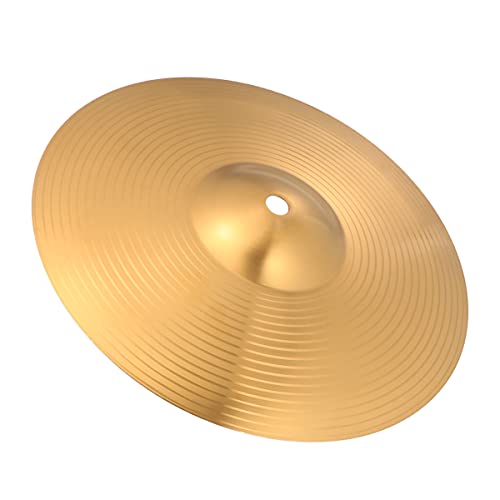
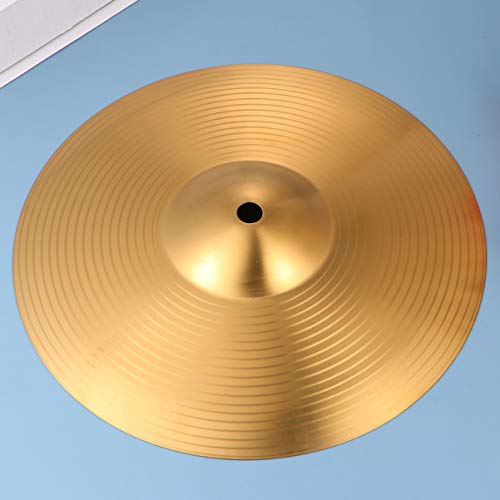
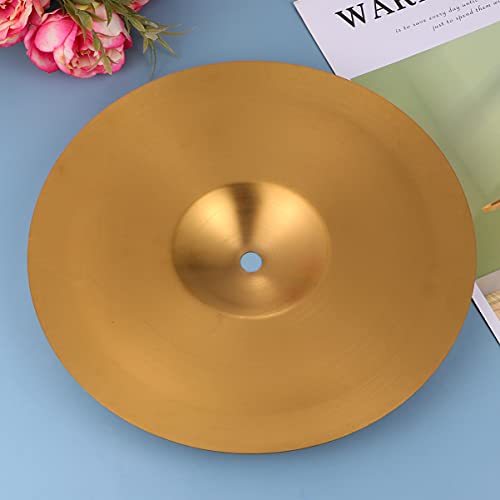
Generic cymbals are often subject to more rigorous use in schools, rehearsal studios, and touring environments. Look at the finish of the cymbal—lathed surfaces (where you can see circular grooves) generally offer a more complex sound, while unlathed or 'raw' finishes can provide a darker, more controlled tone. Additionally, check the edge of the cymbal. A well-constructed cymbal should have a smooth, consistent edge. Avoid cymbals that feel brittle or excessively thin at the perimeter, as these are prone to cracking during high-velocity playing. A sturdy bell and a well-centered mounting hole are also indicators of a cymbal built to last through many practice sessions.