Understanding Weight and Thickness
The most immediate factor affecting a crash cymbal's character is its weight. Cymbals are generally categorized into three tiers: thin, medium, and heavy. Thin cymbals are highly responsive and can be played with minimal effort, making them ideal for jazz, fusion, or subtle indie rock where a quick, explosive burst of sound is preferred. They tend to have a faster decay, meaning the sound dissipates quickly, preventing the cymbal from washing out the rest of the kit. Medium-weight cymbals are the versatile workhorses of the drumming world, offering a balance of volume and sustain suitable for most pop and rock settings. Heavy cymbals, on the other hand, are designed for high-volume environments like heavy metal or hard rock. They provide a massive, cutting sound that can pierce through a wall of distorted guitars, though they require more physical force to 'open up.'
Tone, Timbre, and Decay
Beyond physical weight, you must consider the sonic profile. When testing a crash, listen for two distinct phases: the initial 'attack' and the 'decay.' The attack is the immediate sound upon impact. Some cymbals offer a bright, piercing 'ping,' while others provide a dark, washier 'thud.' The decay is how the sound evolves as it fades. A fast decay is excellent for technical playing where you need clarity between hits. A long, shimmering decay is better for creating atmospheric swells. Pay attention to the harmonic complexity. High-end cymbals often feature complex overtones that make the crash sound 'musical' rather than just loud, whereas budget-friendly options may sound more singular and direct.
Material and Construction
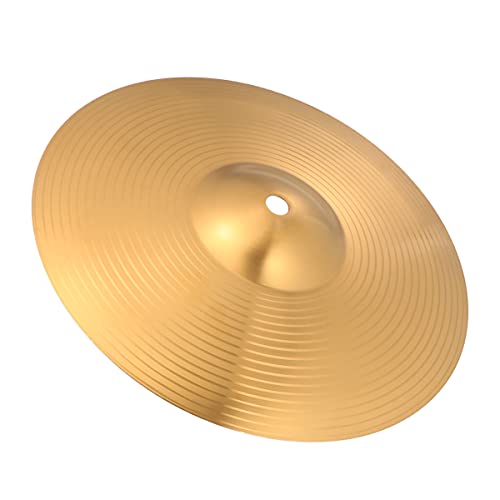
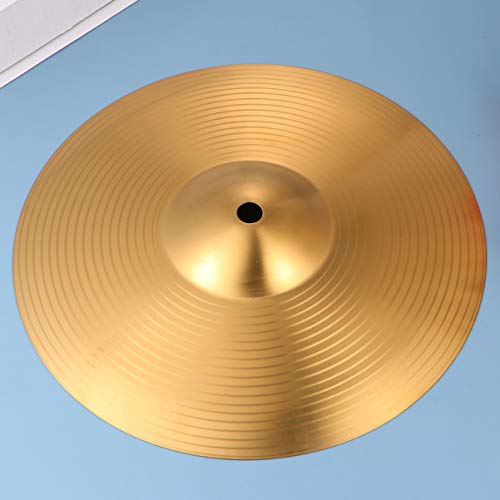
The alloy used in construction dictates the fundamental frequency of the cymbal. B20 bronze (an alloy of 80% copper and 20% tin) is the industry standard for professional-grade cymbals, offering a rich, complex, and warm tone. It is often hand-hammered to create unique tonal variations. B8 bronze is more common in entry-level and intermediate models. It is more consistent and brighter, making it easier to produce a loud, cutting sound, though it may lack the nuanced warmth of B20. Additionally, look at the lathing—the grooves cut into the surface. Extensive lathing typically results in a brighter, more articulate sound, while unlathed or 'raw' cymbals offer a darker, earthier, and more controlled tone.
Matching Your Genre and Kit
A common mistake is buying a crash cymbal in isolation without considering the rest of your setup. If you are playing in a loud rock band, a thin, delicate crash will likely be swallowed by the drums and guitars. Conversely, if you are a jazz drummer, a heavy, thick crash will sound jarring and overly aggressive. Ideally, your crash should share a similar tonal DNA with your rides and effects cymbals. If you prefer a cohesive sound, look for 'sets' or series that are designed to complement one another. Always consider your playing technique: if you are a heavy hitter, prioritize durability and weight. If you are a finesse player, prioritize responsiveness and shimmer.