Prioritize Fabric Composition and Breathability
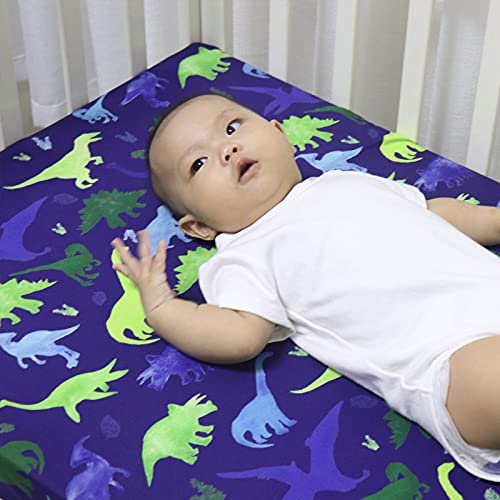
The most critical factor in choosing a crib sheet is the material. Because infants cannot regulate their body temperature as efficiently as adults, the fabric must be breathable to prevent overheating. Look for natural fibers such as organic cotton, bamboo viscose, or linen blends. Organic cotton is a gold standard because it is hypoallergenic and free from the harsh chemical residues often found in conventional textiles. Bamboo is an excellent alternative for parents seeking a silkier, cooler touch, as it is naturally moisture-wicking and incredibly soft. Avoid synthetic blends like heavy polyester, which can trap heat and lead to skin irritation or sweatiness during the night.
Evaluate the Weave for Softness and Durability
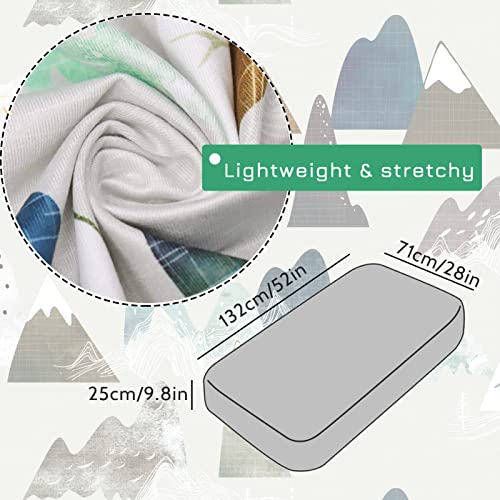
Not all cotton is created equal. The way the fibers are woven dictates how the sheet will feel against your baby's skin after multiple washes. A percale weave offers a crisp, cool feel that is perfect for warmer climates, while a sateen weave provides a smoother, slightly heavier drape that feels luxurious. For parents prioritizing maximum softness, jersey knit is a top-tier choice. It mimics the feel of a favorite t-shirt, offering a stretchy, cozy texture that conforms easily to the mattress. When selecting a weave, consider longevity—higher thread counts generally indicate a denser, more durable fabric that can withstand the frequent high-temperature laundering required for baby bedding.
Ensure a Secure, Snug Fit
Safety is the non-negotiable priority when it comes to crib bedding. A sheet that is too loose can pose a suffocation risk, while a sheet that is too tight may bunch up and create uncomfortable ridges. Look for sheets with high-quality, heavy-duty elastic all the way around the fitted hem. This ensures the sheet stays taut against the mattress even when the baby moves during sleep. When testing a sheet, check that the corner pockets are deep enough to accommodate the thickness of your specific crib mattress without slipping. A well-fitted sheet should feel like a second skin to the mattress, leaving no loose fabric in the sleeping area.
Consider Ease of Maintenance
Let’s be realistic: crib sheets will encounter spills, spit-up, and diaper leaks. A beautiful sheet is only practical if it can be cleaned easily. Opt for fabrics that are machine washable and resistant to pilling. Some high-end organic fabrics may require gentle cycles, so check the care instructions before purchasing. It is also a smart strategy to purchase a multi-pack or at least three to four individual sheets. This allows you to have one on the crib, one in the laundry, and one in the linen closet, ensuring you are never caught without a clean surface for your baby.
Summary of Recommendation Logic
To make the best decision, follow this hierarchy: First, verify the material is a breathable natural fiber (Organic Cotton or Bamboo). Second, confirm the fit via deep elastic edges for safety. Third, choose a weave based on your climate (Percale for heat, Jersey for softness). Finally, ensure the fabric is durable enough for frequent washing. By following these steps, you move beyond simple pattern matching and invest in a product that truly supports your baby's developmental need for restorative sleep.