#TOP1

Navigating the intersection of biological systems and mechanical application requires more than just general agronomy knowledge. It demands a specialized library that bridges the gap between plant physiology and structural design. For professionals in agricultural engineering, precision agriculture, and automated systems development, crop science books serve as the foundational blueprints for designing hardware and software that interacts with living organisms. Whether you are developing autonomous weeding robots, optimizing irrigation hydraulics, or engineering controlled-environment agriculture (CEA) systems, your technical literature must reflect the complex, non-linear variables of the field.
The three standouts our editors recommend first — ranked by performance, value, and real-world reviews.


The Complete Guide to Restoring Your Soil: Improve Water Retention and Infiltration. Support Microorganisms and Other Soil Life. Capture More ... Cove...
| SELLER | SELLER SCORE | AMAZON FULFILLED | PRIME | FREE SHIPPING |
|---|---|---|---|---|
| Amazon.com | 9.68 | Yes | Yes | Yes |
Most gardeners spend a fortune on expensive fertilizers only to realize they are essentially feeding a dying ecosystem. This guide flips the script by focusing on the foundation of everything: the soil itself. Instead of chasing quick chemical fixes, the text walks you through the complex science of improving water retention and infiltration to ensure your plants actually thrive. It dives deep into the necessity of supporting microorganisms and utilizing carbon-based soil amendments to build long-term health. Whether you are experimenting with cover crops or trying to capture more moisture in dry conditions, this book provides a roadmap for turning depleted dirt into a living, breathing biological engine. It is an essential resource for anyone tired of fighting against their landscape and ready to start working with nature.

Handbook Of Climate Change And Agroecosystems: The Agricultural Model Intercomparison And Improvement Project (Agmip) Integrated Crop And Economic Ass...
| SELLER | SELLER SCORE | AMAZON FULFILLED | PRIME | FREE SHIPPING |
|---|---|---|---|---|
| Amazon.com Services LLC | 0.00 | No | No | No |
After weeks of deep diving into complex environmental data, I finally found a resource that bridges the gap between climate modeling and real-world farming. This handbook serves as a vital deep dive into the Agricultural Model Intercomparison and Improvement Project, offering a sophisticated look at how shifting climates impact both crop yields and economic stability. It isn't just a collection of theories. It provides an integrated assessment of how we can approach adaptation and mitigation strategies in modern agroecosystems. If you are navigating the intersection of agricultural economics and environmental science, the level of detail regarding integrated crop assessments is genuinely impressive. It turns dense, technical modeling into a structured roadmap for understanding future food security challenges.

The Energies of Crop Circles: The Science and Power of a Mysterious Intelligence
| SELLER | SELLER SCORE | AMAZON FULFILLED | PRIME | FREE SHIPPING |
|---|---|---|---|---|
| Amazon.com | 9.68 | Yes | Yes | Yes |
Most readers content themselves with standard paranormal accounts, but The Energies of Crop Circles demands a much deeper investigation into the mechanics of the unknown. This title from Destiny Books moves past the superficial mystery to explore the potential scientific and energetic implications behind these complex formations. Instead of just treating crop circles as visual oddities, the text delves into the concept of a mysterious intelligence at work. It is a fascinating read for anyone who wants to move beyond the surface-level folklore and consider the actual power and energy these patterns might represent. If you are tired of the same old speculative theories and want a more focused look at the intersection of science and mystery, this book provides a compelling perspective.


Strawberries (Crop Production Science in Horticulture)
| SELLER | SELLER SCORE | AMAZON FULFILLED | PRIME | FREE SHIPPING |
|---|---|---|---|---|
| Amazon.com | 9.68 | Yes | Yes | Yes |
Commercial growers often struggle to bridge the gap between basic gardening and the complex physiological demands of high-yield berry production. This specialized text from Cabi addresses that exact technical void by diving deep into the science of strawberry cultivation. It moves far beyond simple planting tips, focusing instead on the horticultural principles necessary for professional-grade results. Whether you are managing a large-scale operation or a serious research project, the depth of information provided here is essential for understanding crop cycles and optimizing output. It is a dense, authoritative resource that treats strawberry farming as the sophisticated science it truly is, making it a staple for any serious horticultural library.

Sweet Cherries (Crop Production Science in Horticulture)
| SELLER | SELLER SCORE | AMAZON FULFILLED | PRIME | FREE SHIPPING |
|---|---|---|---|---|
| Amazon.com | 9.68 | Yes | Yes | Yes |
Can a single volume truly bridge the gap between academic horticulture and practical orchard management? Sweet Cherries, part of the specialized Crop Production Science in Horticulture series, serves as a definitive deep dive for anyone serious about stone fruit cultivation. Rather than offering surface-level gardening tips, this text focuses on the rigorous science required to optimize yields and maintain tree health. It is a dense, authoritative resource that treats cherry production as a sophisticated discipline. Whether you are a researcher or a professional grower looking to refine your technical knowledge, this book provides the granular detail necessary to master the complexities of the crop. It is a vital addition to a professional horticultural library.


Alfalfa Management Guide (ASA, CSSA, and SSSA Books)
| SELLER | SELLER SCORE | AMAZON FULFILLED | PRIME | FREE SHIPPING |
|---|---|---|---|---|
| Amazon.com | 9.68 | Yes | Yes | Yes |
The Alfalfa Management Guide serves as an essential technical cornerstone for anyone serious about forage production. This specialized volume brings together the collective expertise of the ASA, CSSA, and SSSA to provide a deep dive into the complexities of alfalfa cultivation. Rather than offering surface-level tips, it functions as a comprehensive manual for understanding the biological and environmental nuances of this critical crop. It provides an incredible amount of academic and practical value for researchers, agronomists, and large-scale farmers alike. It is the kind of resource you keep on your desk for quick reference when managing soil health or optimizing harvest cycles. If you need authoritative data on alfalfa, this guide is a must-have addition to your agricultural library.


Cut Flowers and Foliages (Crop Production Science in Horticulture)
| SELLER | SELLER SCORE | AMAZON FULFILLED | PRIME | FREE SHIPPING |
|---|---|---|---|---|
| Amazon.com | 9.68 | Yes | Yes | Yes |
After weeks of deep diving into professional horticultural practices, it is clear that this volume is a cornerstone for anyone serious about the science of floral cultivation. This text moves past basic gardening tips to tackle the complex biological and technical requirements of growing high-quality cut flowers and foliage. It serves as a comprehensive guide for students and professionals who need to understand the intricate relationship between crop science and commercial production. The depth of information provided is essential for mastering the nuances of the industry. It is a dense, academic resource that transforms how you view the lifecycle of a commercial floral crop.

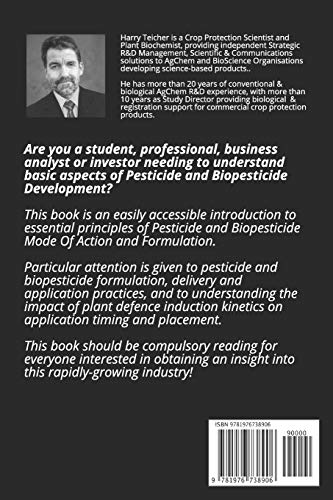
PESTICIDES & BIOPESTICIDES: FORMULATION & MODE OF ACTION (THE LABCOAT GUIDE TO CROP PROTECTION)
| SELLER | SELLER SCORE | AMAZON FULFILLED | PRIME | FREE SHIPPING |
|---|---|---|---|---|
| Amazon.com | 9.68 | Yes | Yes | Yes |
Agricultural scientists and crop protection specialists often struggle to bridge the gap between theoretical chemistry and practical field application. This guide, part of The Labcoat series, tackles that complexity head-on by breaking down the intricate mechanics of how various pesticides and biopesticides actually function within an ecosystem. Rather than offering a surface-level overview, it dives deep into the specific formulation processes and the biological modes of action that define modern crop protection. It is an essential technical resource for anyone needing to understand the science behind protecting yields from pests and diseases. At a very accessible price point, it serves as a dense, highly specialized manual for professional development in the agriscience sector.


Lost Crops of Africa: Volume I: Grains (Lost Crops of Africa Vol. I)
| SELLER | SELLER SCORE | AMAZON FULFILLED | PRIME | FREE SHIPPING |
|---|---|---|---|---|
| ISHOPONLINE LLC | 7.76 | Yes | Yes | Yes |
Agricultural researchers and food security specialists absolutely require this volume to understand the untapped potential of neglected nutritional resources. This National Academies Press publication serves as a vital deep dive into the specific grain varieties that have historically sustained African communities but often fall through the cracks of modern industrial farming. Instead of focusing on global staples like wheat or corn, this text directs your attention toward resilient, indigenous crops that offer unique ecological and nutritional advantages. It is an essential reference for anyone looking to build more diverse, sustainable food systems. While the subject matter is specialized, the depth of information makes it a cornerstone for serious study in the field of tropical agriculture and global nutrition.

Postharvest Technology of Horticultural Crops, 3rd Ed
| SELLER | SELLER SCORE | AMAZON FULFILLED | PRIME | FREE SHIPPING |
|---|---|---|---|---|
| Amazon.com | 9.68 | Yes | Yes | Yes |
How much produce is actually lost between the farm and the dinner table due to improper handling? This third edition of Postharvest Technology of Horticultural Crops serves as a vital roadmap for anyone serious about reducing waste and maintaining crop quality. It moves beyond simple storage tips to provide a deep, technical dive into the science of keeping fruits and vegetables fresh. Whether you are a student in agricultural science or a professional managing a supply chain, the insights here are indispensable for mastering the delicate window of time after harvest. At a price point, it stands as a foundational resource for anyone looking to bridge the gap between field production and consumer consumption with scientific precision.

Lost Crops of the Incas: Little-Known Plants of the Andes with Promise for Worldwide Cultivation
| SELLER | SELLER SCORE | AMAZON FULFILLED | PRIME | FREE SHIPPING |
|---|---|---|---|---|
| Amazon.com | 9.68 | Yes | Yes | Yes |
Botanists and food security enthusiasts absolutely require this deep dive into the overlooked biodiversity of the Andean highlands. This National Academies Press publication serves as a vital bridge between ancient agricultural wisdom and modern global cultivation needs. Instead of focusing on the usual suspects like potatoes or corn, it shines a spotlight on the lesser-known plants that once sustained the Inca Empire and could potentially transform future food systems. It is a fascinating, scholarly exploration that feels less like a dry textbook and more like a treasure map for sustainable agriculture. Whether you are a researcher or just a curious gardener, the insights regarding these high-altitude crops provide a perspective on global nutrition that is rarely discussed in mainstream circles.

Introduction to Fruit Crops
| SELLER | SELLER SCORE | AMAZON FULFILLED | PRIME | FREE SHIPPING |
|---|---|---|---|---|
| No | No | No |
Standing in a sprawling orchard and trying to diagnose a specific nutrient deficiency or growth pattern requires more than just intuition. This text from CRC Press serves as the foundational blueprint for anyone serious about mastering pomology. Instead of wading through vague gardening tips, you get a structured deep dive into the biological and environmental complexities of fruit production. It functions as a vital reference tool whether you are a student mapping out crop cycles or a professional grower looking to refine your cultivation techniques. The depth of information provided ensures that the transition from theory to actual field application feels grounded in scientific reality rather than guesswork.

Nematode Diseases of Crops and Their Sustainable Management
| SELLER | SELLER SCORE | AMAZON FULFILLED | PRIME | FREE SHIPPING |
|---|---|---|---|---|
| Amazon.com Services LLC | 0.00 | No | No | No |
Nematode Diseases of Crops and Their Sustainable Management stands as a definitive academic pillar for agronomists and serious plant pathologists. This digital resource tackles the complex intersection of soil-borne pathogens and ecological preservation, offering a deep dive into managing crop threats without relying solely on traditional chemical interventions. While the price point reflects its specialized nature, the immediate availability of the download makes it an essential tool for researchers who cannot afford to wait for physical shipping. It serves as a comprehensive roadmap for anyone looking to integrate sustainable practices into high-stakes agricultural environments, moving beyond simple pest control into true ecosystem management.

Carrots and Related Apiaceae Crops (Crop Production Science in Horticulture)
| SELLER | SELLER SCORE | AMAZON FULFILLED | PRIME | FREE SHIPPING |
|---|---|---|---|---|
| Prime Deals, USA | 9.65 | No | No | No |
Most gardeners and commercial growers settle for surface-level advice when they actually need the deep physiological insights found in Carrots and Related Apiaceae Crops. This specialized volume from Cabi moves far beyond basic planting tips, diving straight into the complex science of horticultural crop production. Instead of just telling you when to water, it explores the intricate biological requirements of the Apiaceae family. It is a dense, authoritative resource that treats carrot cultivation as a precise science rather than a casual hobby. For anyone serious about mastering the nuances of these specific root and stem crops, this text serves as an essential technical manual that bridges the gap between amateur gardening and professional agricultural mastery.

Tropical Roots and Tuber Crops: Cassava, Sweet Potato, Yams and Aroids (Crop Production Science in Horticulture)
| SELLER | SELLER SCORE | AMAZON FULFILLED | PRIME | FREE SHIPPING |
|---|---|---|---|---|
| PAMS Ent | 8.32 | No | No | No |
The earthy, complex science behind staple crops like cassava and yams comes alive in this specialized horticultural text. Instead of a surface-level gardening guide, this volume dives deep into the technical production science required to master tropical root and tuber cultivation. Whether you are studying aroids or sweet potatoes, the depth of information provided by Cabi makes it an essential reference for anyone serious about tropical agriculture. It bridges the gap between academic theory and practical crop science, offering a structured look at how these vital food sources grow. For students or professionals working in tropical horticulture, this book serves as a foundational pillar for understanding the biological nuances of these specific plant families.

Handbook of Plant and Crop Physiology (Books in Soils, Plants, and the Environment)
| SELLER | SELLER SCORE | AMAZON FULFILLED | PRIME | FREE SHIPPING |
|---|---|---|---|---|
| textbooks_source | 9.76 | No | No | No |
Agricultural researchers and advanced botany students require this level of technical depth to truly master the complexities of environmental interactions. The Handbook of Plant and Crop Physiology serves as a massive, authoritative pillar within the Soils, Plants, and the Environment series, making it an essential reference for anyone serious about plant science. While the price point reflects its specialized nature, the sheer breadth of information provided by CRC Press justifies the investment for professional libraries and academic institutions. It isn't just a textbook. It is a comprehensive deep dive into the physiological mechanisms that drive crop productivity. If you are navigating the intricacies of how plants respond to their surroundings, this volume provides the foundational clarity necessary for high-level study and practical application.

When selecting literature in this niche, the first step is determining whether you need a biological foundation or a systems-integration manual. A pure crop science book might focus on genetics or soil chemistry, which is vital for understanding nutrient uptake, but an engineering-focused text will translate those biological needs into quantifiable data. Look for titles that emphasize 'quantifiable plant responses'—this indicates the text will provide the mathematical models necessary for sensor calibration, environmental control algorithms, and mechanical stress testing in field conditions.
The utility of a crop science engineering book is measured by its ability to provide actionable parameters. When evaluating a potential purchase, prioritize the following criteria:
Your specific engineering discipline should dictate your reading list. If you are working in Robotics and Automation, seek out books that discuss plant morphology and spatial architecture. Understanding how a plant occupies space is critical for path planning and obstacle avoidance. If your focus is Environmental Control Systems, prioritize texts on plant physiology and thermodynamics, specifically how gas exchange affects the microclimate of a greenhouse. For those in Soil and Water Engineering, focus on books that treat soil as a porous medium with complex fluid dynamics rather than just a growing substrate.
Avoid books that are overly descriptive without being analytical. In the engineering realm, a book that tells you 'corn needs water' is useless. A book that provides the 'evapotranspiration coefficient for Zea mays under specific solar radiation levels' is indispensable. Always check the bibliography to ensure the author is drawing from peer-reviewed agronomic research, as this ensures the biological data underpinning the engineering principles is sound.
Quick answers about Crop Science Books before you buy.
Share of top-ranked products by brand, from our editorial analysis.
We've carried out a comprehensive analysis of 262 reviews on Crop Science Books, using our selection criteria to identify the best options in the engineering & transportation. Our findings reveal that most customers typically select Crop Science Books priced around $59.47, with top brands including cabi, destiny books and crc press and national academies press.
Our team of expert editors reviewed these high-quality items and handpicked the top 16 Crop Science Books for your consideration. We've also done extensive research on numerous sellers, identifying the best ones in the engineering & transportation category — including pams ent, amazon.com, textbooks_source, amazon.com services llc and ishoponline llc and prime deals, usa.
We are dedicated to assisting our users in finding the right engineering Products based on their needs, saving them considerable time when choosing which Crop Science Books to buy. We take pride in the number of satisfied users we've helped through our thorough and insightful reviews.
Compare the top 16 picks at a glance — select a column to sort.


