Best Odm Cv Joints in 2026

Daisy
Last Updated: Jul 17, 2026
Daisy
Last Updated: Jul 17, 2026


* PickSmartly editors independently research, review, and endorse the top products through comprehensive data analysis. We may earn a commission for qualifying purchases made through our product links.
| SELLER | SELLER SCORE | AMAZON FULFILLED | PRIME | FREE SHIPPING |
|---|---|---|---|---|
| Amazon Warehouse | 9.90 | ✅ | ✅ | ✅ |
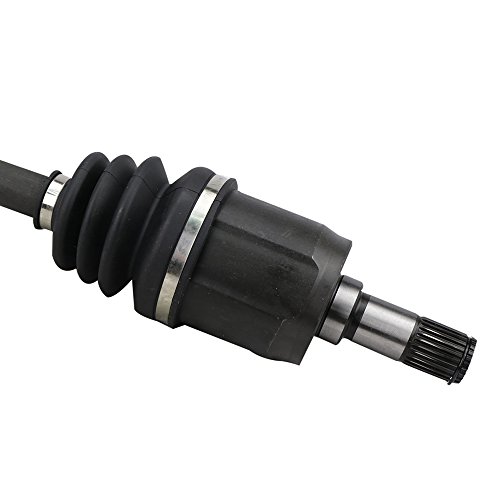
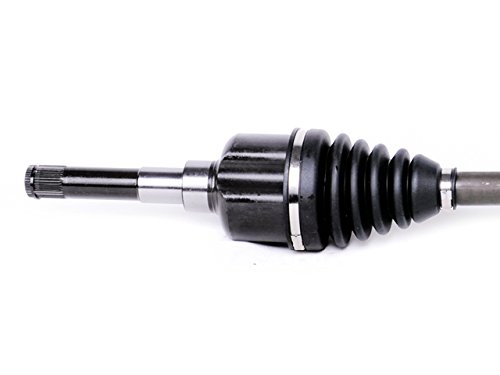
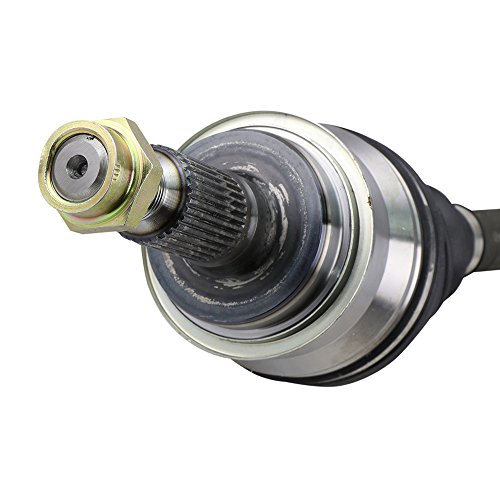
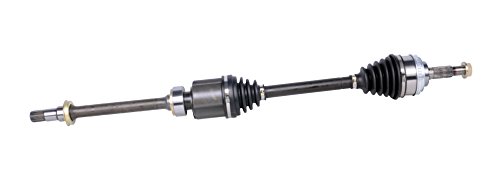
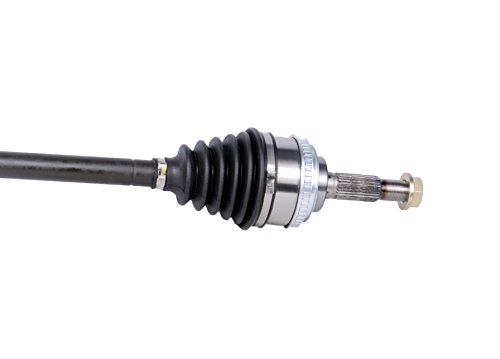
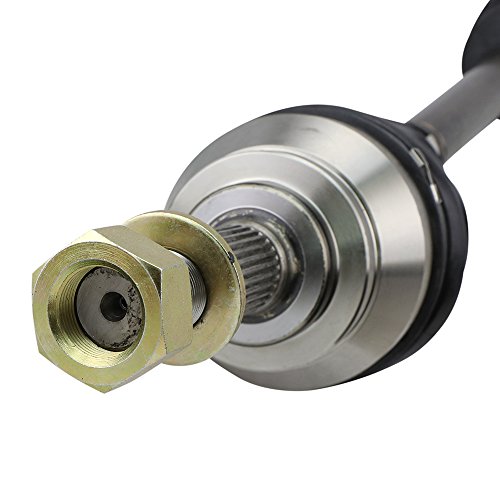
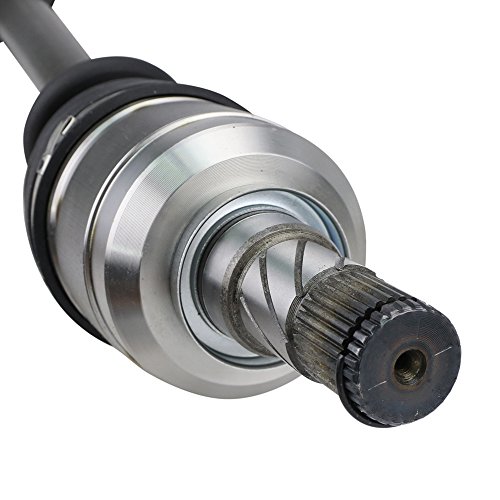
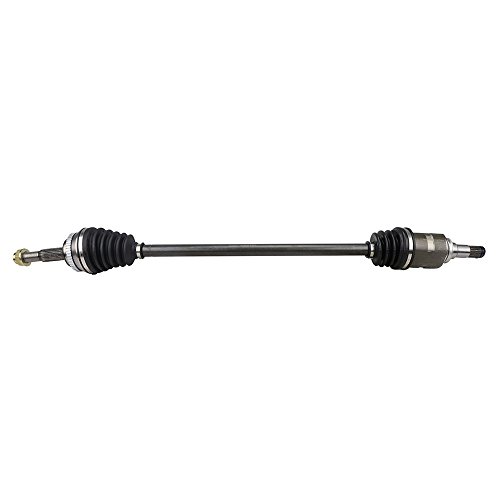
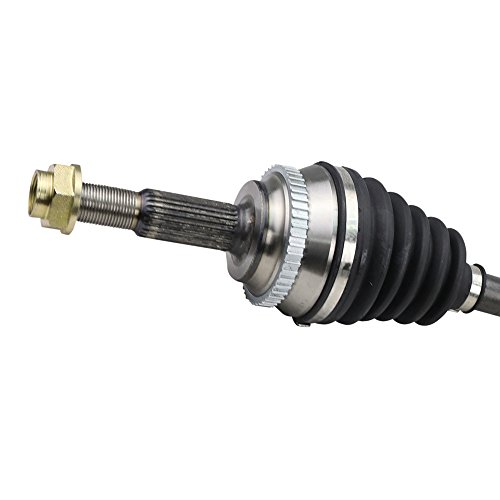
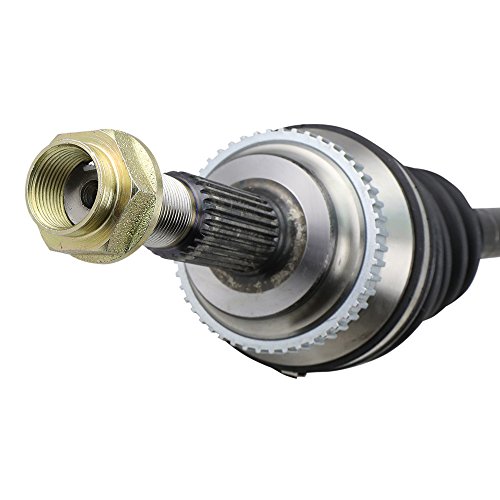
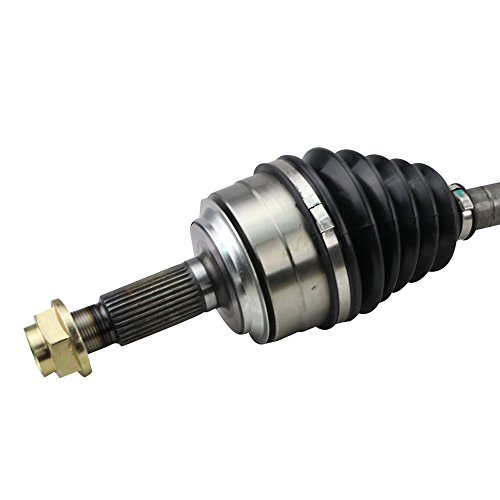
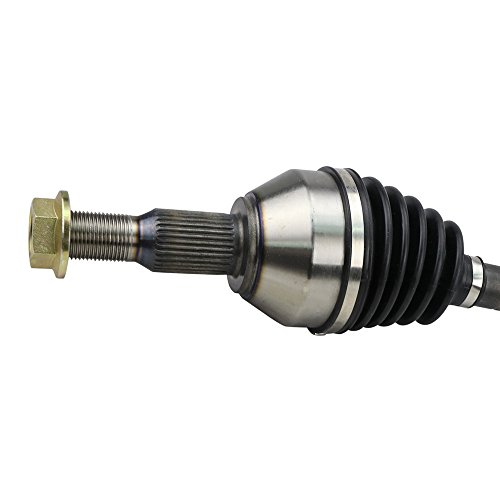
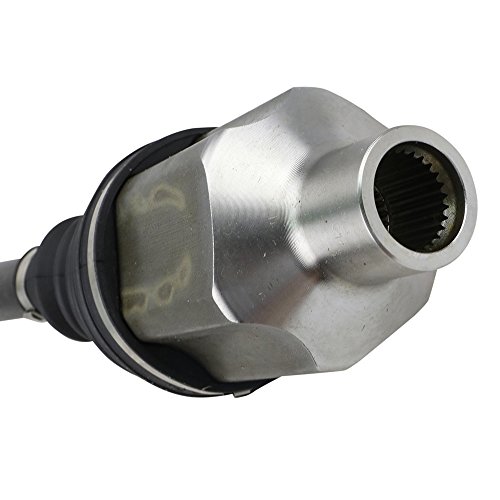
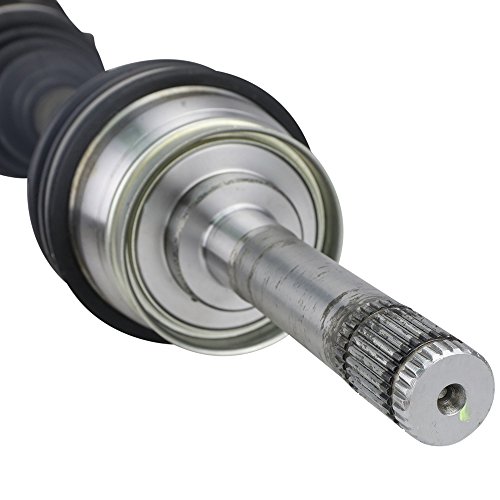
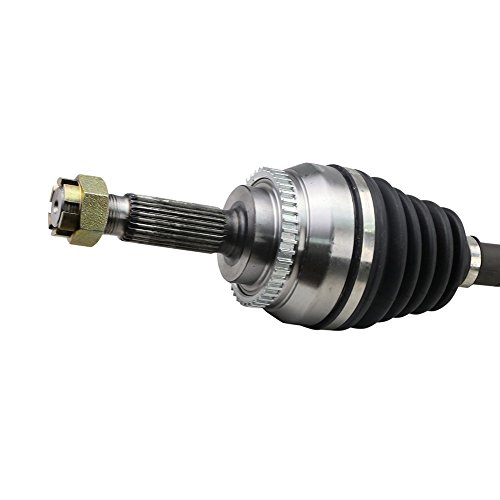
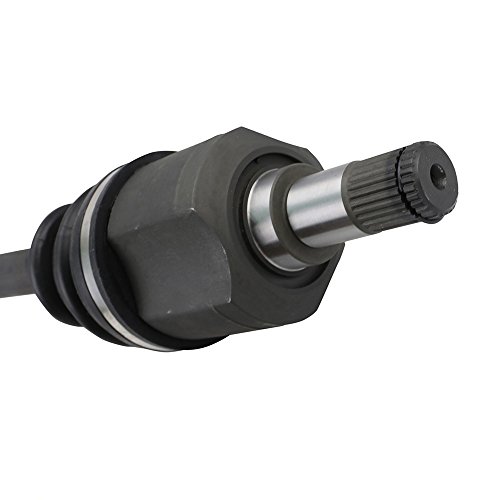
CV axles are a modern drivetrain component commonly found on all front wheel drive vehicles. They serve the purpose of transferring the power from the vehicle’s transmission and differential to the wheels so that they can propel the vehicle forward. They have a greased flexible joint that allows the axle to flex according to the road conditions
The joint is lubricated with grease and covered in a rubber boot to protect it from dirt and debris. Because the CV axles are the direct link that transfers the power of the engine to the wheels, they are subject to high amounts of stress over time and will eventually wear out and require replacement. When they do wear out, CV axles usually will produce a few symptoms that can alert the driver that they require attention
One of the most common and most noticeable symptoms of a bad or failing CV axle shaft assembly is an audible clicking noise when turning. When CV axles become excessively worn, the joints will become loose and click when turning. The clicks may become louder or more pronounced during sharper and faster turns, and will be heard on the side with the faulty CV shaft
Another symptom of a problem with the CV axle shafts is grease on the insde edge of the tire or along the undersides of the vehicle. This is usually caused by a torn boot leaking grease, and it being tossed around while the axle turns. A leaky boot will eventually lead to CV joint failure, as dirt and debris will get into the boot and damage the joint
If a CV joint or axle shaft is damaged in any way that affects its balance while rotating, it will cause the shaft to vibrate excessively while operating the vehicle. The vibrations may oscillate in speed, or become more pronounced as vehicle speed increases. Excessively vibrating CV shafts can interfere with the handling and ride characteristics, and to the overall safety and comfort of the vehicle. Usually the CV axle will need to be replaced if it is damaged enough to cause vibrations
| SELLER | SELLER SCORE | AMAZON FULFILLED | PRIME | FREE SHIPPING |
|---|---|---|---|---|
| autoparttrust | 8.67 | ❌ | ❌ | ❌ |
CV axles are a modern drivetrain component commonly found on all front wheel drive vehicles. They serve the purpose of transferring the power from the vehicle’s transmission and differential to the wheels so that they can propel the vehicle forward. They have a greased flexible joint that allows the axle to flex according to the road conditions
The joint is lubricated with grease and covered in a rubber boot to protect it from dirt and debris. Because the CV axles are the direct link that transfers the power of the engine to the wheels, they are subject to high amounts of stress over time and will eventually wear out and require replacement. When they do wear out, CV axles usually will produce a few symptoms that can alert the driver that they require attention
One of the most common and most noticeable symptoms of a bad or failing CV axle shaft assembly is an audible clicking noise when turning. When CV axles become excessively worn, the joints will become loose and click when turning. The clicks may become louder or more pronounced during sharper and faster turns, and will be heard on the side with the faulty CV shaft
Another symptom of a problem with the CV axle shafts is grease on the insde edge of the tire or along the undersides of the vehicle. This is usually caused by a torn boot leaking grease, and it being tossed around while the axle turns. A leaky boot will eventually lead to CV joint failure, as dirt and debris will get into the boot and damage the joint
If a CV joint or axle shaft is damaged in any way that affects its balance while rotating, it will cause the shaft to vibrate excessively while operating the vehicle. The vibrations may oscillate in speed, or become more pronounced as vehicle speed increases. Excessively vibrating CV shafts can interfere with the handling and ride characteristics, and to the overall safety and comfort of the vehicle. Usually the CV axle will need to be replaced if it is damaged enough to cause vibrations
| SELLER | SELLER SCORE | AMAZON FULFILLED | PRIME | FREE SHIPPING |
|---|---|---|---|---|
| autoparttrust | 8.92 | ❌ | ❌ | ❌ |
CV axles are a modern drivetrain component commonly found on all front wheel drive vehicles. They serve the purpose of transferring the power from the vehicle’s transmission and differential to the wheels so that they can propel the vehicle forward. They have a greased flexible joint that allows the axle to flex according to the road conditions
The joint is lubricated with grease and covered in a rubber boot to protect it from dirt and debris. Because the CV axles are the direct link that transfers the power of the engine to the wheels, they are subject to high amounts of stress over time and will eventually wear out and require replacement. When they do wear out, CV axles usually will produce a few symptoms that can alert the driver that they require attention
One of the most common and most noticeable symptoms of a bad or failing CV axle shaft assembly is an audible clicking noise when turning. When CV axles become excessively worn, the joints will become loose and click when turning. The clicks may become louder or more pronounced during sharper and faster turns, and will be heard on the side with the faulty CV shaft
Another symptom of a problem with the CV axle shafts is grease on the insde edge of the tire or along the undersides of the vehicle. This is usually caused by a torn boot leaking grease, and it being tossed around while the axle turns. A leaky boot will eventually lead to CV joint failure, as dirt and debris will get into the boot and damage the joint
If a CV joint or axle shaft is damaged in any way that affects its balance while rotating, it will cause the shaft to vibrate excessively while operating the vehicle. The vibrations may oscillate in speed, or become more pronounced as vehicle speed increases. Excessively vibrating CV shafts can interfere with the handling and ride characteristics, and to the overall safety and comfort of the vehicle. Usually the CV axle will need to be replaced if it is damaged enough to cause vibrations
| SELLER | SELLER SCORE | AMAZON FULFILLED | PRIME | FREE SHIPPING |
|---|---|---|---|---|
| autoparttrust | 8.72 | ❌ | ❌ | ❌ |
CV axles are a modern drivetrain component commonly found on all front wheel drive vehicles. They serve the purpose of transferring the power from the vehicle’s transmission and differential to the wheels so that they can propel the vehicle forward. They have a greased flexible joint that allows the axle to flex according to the road conditions
The joint is lubricated with grease and covered in a rubber boot to protect it from dirt and debris. Because the CV axles are the direct link that transfers the power of the engine to the wheels, they are subject to high amounts of stress over time and will eventually wear out and require replacement. When they do wear out, CV axles usually will produce a few symptoms that can alert the driver that they require attention
One of the most common and most noticeable symptoms of a bad or failing CV axle shaft assembly is an audible clicking noise when turning. When CV axles become excessively worn, the joints will become loose and click when turning. The clicks may become louder or more pronounced during sharper and faster turns, and will be heard on the side with the faulty CV shaft
Another symptom of a problem with the CV axle shafts is grease on the insde edge of the tire or along the undersides of the vehicle. This is usually caused by a torn boot leaking grease, and it being tossed around while the axle turns. A leaky boot will eventually lead to CV joint failure, as dirt and debris will get into the boot and damage the joint
If a CV joint or axle shaft is damaged in any way that affects its balance while rotating, it will cause the shaft to vibrate excessively while operating the vehicle. The vibrations may oscillate in speed, or become more pronounced as vehicle speed increases. Excessively vibrating CV shafts can interfere with the handling and ride characteristics, and to the overall safety and comfort of the vehicle. Usually the CV axle will need to be replaced if it is damaged enough to cause vibrations
| SELLER | SELLER SCORE | AMAZON FULFILLED | PRIME | FREE SHIPPING |
|---|---|---|---|---|
| autoparttrust | 8.92 | ❌ | ❌ | ❌ |
CV axles are a modern drivetrain component commonly found on all front wheel drive vehicles. They serve the purpose of transferring the power from the vehicle’s transmission and differential to the wheels so that they can propel the vehicle forward. They have a greased flexible joint that allows the axle to flex according to the road conditions
The joint is lubricated with grease and covered in a rubber boot to protect it from dirt and debris. Because the CV axles are the direct link that transfers the power of the engine to the wheels, they are subject to high amounts of stress over time and will eventually wear out and require replacement. When they do wear out, CV axles usually will produce a few symptoms that can alert the driver that they require attention
One of the most common and most noticeable symptoms of a bad or failing CV axle shaft assembly is an audible clicking noise when turning. When CV axles become excessively worn, the joints will become loose and click when turning. The clicks may become louder or more pronounced during sharper and faster turns, and will be heard on the side with the faulty CV shaft
Another symptom of a problem with the CV axle shafts is grease on the insde edge of the tire or along the undersides of the vehicle. This is usually caused by a torn boot leaking grease, and it being tossed around while the axle turns. A leaky boot will eventually lead to CV joint failure, as dirt and debris will get into the boot and damage the joint
If a CV joint or axle shaft is damaged in any way that affects its balance while rotating, it will cause the shaft to vibrate excessively while operating the vehicle. The vibrations may oscillate in speed, or become more pronounced as vehicle speed increases. Excessively vibrating CV shafts can interfere with the handling and ride characteristics, and to the overall safety and comfort of the vehicle. Usually the CV axle will need to be replaced if it is damaged enough to cause vibrations
| SELLER | SELLER SCORE | AMAZON FULFILLED | PRIME | FREE SHIPPING |
|---|---|---|---|---|
| autoparttrust | 8.77 | ❌ | ❌ | ❌ |
CV axles are a modern drivetrain component commonly found on all front wheel drive vehicles. They serve the purpose of transferring the power from the vehicle’s transmission and differential to the wheels so that they can propel the vehicle forward. They have a greased flexible joint that allows the axle to flex according to the road conditions
The joint is lubricated with grease and covered in a rubber boot to protect it from dirt and debris. Because the CV axles are the direct link that transfers the power of the engine to the wheels, they are subject to high amounts of stress over time and will eventually wear out and require replacement. When they do wear out, CV axles usually will produce a few symptoms that can alert the driver that they require attention
One of the most common and most noticeable symptoms of a bad or failing CV axle shaft assembly is an audible clicking noise when turning. When CV axles become excessively worn, the joints will become loose and click when turning. The clicks may become louder or more pronounced during sharper and faster turns, and will be heard on the side with the faulty CV shaft
Another symptom of a problem with the CV axle shafts is grease on the insde edge of the tire or along the undersides of the vehicle. This is usually caused by a torn boot leaking grease, and it being tossed around while the axle turns. A leaky boot will eventually lead to CV joint failure, as dirt and debris will get into the boot and damage the joint
If a CV joint or axle shaft is damaged in any way that affects its balance while rotating, it will cause the shaft to vibrate excessively while operating the vehicle. The vibrations may oscillate in speed, or become more pronounced as vehicle speed increases. Excessively vibrating CV shafts can interfere with the handling and ride characteristics, and to the overall safety and comfort of the vehicle. Usually the CV axle will need to be replaced if it is damaged enough to cause vibrations
| SELLER | SELLER SCORE | AMAZON FULFILLED | PRIME | FREE SHIPPING |
|---|---|---|---|---|
| autoparttrust | 8.77 | ❌ | ❌ | ❌ |
CV axles are a modern drivetrain component commonly found on all front wheel drive vehicles. They serve the purpose of transferring the power from the vehicle’s transmission and differential to the wheels so that they can propel the vehicle forward. They have a greased flexible joint that allows the axle to flex according to the road conditions
The joint is lubricated with grease and covered in a rubber boot to protect it from dirt and debris. Because the CV axles are the direct link that transfers the power of the engine to the wheels, they are subject to high amounts of stress over time and will eventually wear out and require replacement. When they do wear out, CV axles usually will produce a few symptoms that can alert the driver that they require attention
One of the most common and most noticeable symptoms of a bad or failing CV axle shaft assembly is an audible clicking noise when turning. When CV axles become excessively worn, the joints will become loose and click when turning. The clicks may become louder or more pronounced during sharper and faster turns, and will be heard on the side with the faulty CV shaft
Another symptom of a problem with the CV axle shafts is grease on the insde edge of the tire or along the undersides of the vehicle. This is usually caused by a torn boot leaking grease, and it being tossed around while the axle turns. A leaky boot will eventually lead to CV joint failure, as dirt and debris will get into the boot and damage the joint
If a CV joint or axle shaft is damaged in any way that affects its balance while rotating, it will cause the shaft to vibrate excessively while operating the vehicle. The vibrations may oscillate in speed, or become more pronounced as vehicle speed increases. Excessively vibrating CV shafts can interfere with the handling and ride characteristics, and to the overall safety and comfort of the vehicle. Usually the CV axle will need to be replaced if it is damaged enough to cause vibrations
| SELLER | SELLER SCORE | AMAZON FULFILLED | PRIME | FREE SHIPPING |
|---|---|---|---|---|
| autoparttrust | 8.72 | ❌ | ❌ | ❌ |
CV axles are a modern drivetrain component commonly found on all front wheel drive vehicles. They serve the purpose of transferring the power from the vehicle’s transmission and differential to the wheels so that they can propel the vehicle forward. They have a greased flexible joint that allows the axle to flex according to the road conditions
The joint is lubricated with grease and covered in a rubber boot to protect it from dirt and debris. Because the CV axles are the direct link that transfers the power of the engine to the wheels, they are subject to high amounts of stress over time and will eventually wear out and require replacement. When they do wear out, CV axles usually will produce a few symptoms that can alert the driver that they require attention
One of the most common and most noticeable symptoms of a bad or failing CV axle shaft assembly is an audible clicking noise when turning. When CV axles become excessively worn, the joints will become loose and click when turning. The clicks may become louder or more pronounced during sharper and faster turns, and will be heard on the side with the faulty CV shaft
Another symptom of a problem with the CV axle shafts is grease on the insde edge of the tire or along the undersides of the vehicle. This is usually caused by a torn boot leaking grease, and it being tossed around while the axle turns. A leaky boot will eventually lead to CV joint failure, as dirt and debris will get into the boot and damage the joint
If a CV joint or axle shaft is damaged in any way that affects its balance while rotating, it will cause the shaft to vibrate excessively while operating the vehicle. The vibrations may oscillate in speed, or become more pronounced as vehicle speed increases. Excessively vibrating CV shafts can interfere with the handling and ride characteristics, and to the overall safety and comfort of the vehicle. Usually the CV axle will need to be replaced if it is damaged enough to cause vibrations
| SELLER | SELLER SCORE | AMAZON FULFILLED | PRIME | FREE SHIPPING |
|---|---|---|---|---|
| autoparttrust | 8.77 | ❌ | ❌ | ❌ |
CV axles are a modern drivetrain component commonly found on all front wheel drive vehicles. They serve the purpose of transferring the power from the vehicle’s transmission and differential to the wheels so that they can propel the vehicle forward. They have a greased flexible joint that allows the axle to flex according to the road conditions
The joint is lubricated with grease and covered in a rubber boot to protect it from dirt and debris. Because the CV axles are the direct link that transfers the power of the engine to the wheels, they are subject to high amounts of stress over time and will eventually wear out and require replacement. When they do wear out, CV axles usually will produce a few symptoms that can alert the driver that they require attention
One of the most common and most noticeable symptoms of a bad or failing CV axle shaft assembly is an audible clicking noise when turning. When CV axles become excessively worn, the joints will become loose and click when turning. The clicks may become louder or more pronounced during sharper and faster turns, and will be heard on the side with the faulty CV shaft
Another symptom of a problem with the CV axle shafts is grease on the insde edge of the tire or along the undersides of the vehicle. This is usually caused by a torn boot leaking grease, and it being tossed around while the axle turns. A leaky boot will eventually lead to CV joint failure, as dirt and debris will get into the boot and damage the joint
If a CV joint or axle shaft is damaged in any way that affects its balance while rotating, it will cause the shaft to vibrate excessively while operating the vehicle. The vibrations may oscillate in speed, or become more pronounced as vehicle speed increases. Excessively vibrating CV shafts can interfere with the handling and ride characteristics, and to the overall safety and comfort of the vehicle. Usually the CV axle will need to be replaced if it is damaged enough to cause vibrations
| SELLER | SELLER SCORE | AMAZON FULFILLED | PRIME | FREE SHIPPING |
|---|---|---|---|---|
| autoparttrust | 8.77 | ❌ | ❌ | ❌ |
CV axles are a modern drivetrain component commonly found on all front wheel drive vehicles. They serve the purpose of transferring the power from the vehicle’s transmission and differential to the wheels so that they can propel the vehicle forward. They have a greased flexible joint that allows the axle to flex according to the road conditions
The joint is lubricated with grease and covered in a rubber boot to protect it from dirt and debris. Because the CV axles are the direct link that transfers the power of the engine to the wheels, they are subject to high amounts of stress over time and will eventually wear out and require replacement. When they do wear out, CV axles usually will produce a few symptoms that can alert the driver that they require attention
One of the most common and most noticeable symptoms of a bad or failing CV axle shaft assembly is an audible clicking noise when turning. When CV axles become excessively worn, the joints will become loose and click when turning. The clicks may become louder or more pronounced during sharper and faster turns, and will be heard on the side with the faulty CV shaft
Another symptom of a problem with the CV axle shafts is grease on the insde edge of the tire or along the undersides of the vehicle. This is usually caused by a torn boot leaking grease, and it being tossed around while the axle turns. A leaky boot will eventually lead to CV joint failure, as dirt and debris will get into the boot and damage the joint
If a CV joint or axle shaft is damaged in any way that affects its balance while rotating, it will cause the shaft to vibrate excessively while operating the vehicle. The vibrations may oscillate in speed, or become more pronounced as vehicle speed increases. Excessively vibrating CV shafts can interfere with the handling and ride characteristics, and to the overall safety and comfort of the vehicle. Usually the CV axle will need to be replaced if it is damaged enough to cause vibrations
| SELLER | SELLER SCORE | AMAZON FULFILLED | PRIME | FREE SHIPPING |
|---|---|---|---|---|
| autoparttrust | 8.97 | ❌ | ❌ | ❌ |
CV axles are a modern drivetrain component commonly found on all front wheel drive vehicles. They serve the purpose of transferring the power from the vehicle’s transmission and differential to the wheels so that they can propel the vehicle forward. They have a greased flexible joint that allows the axle to flex according to the road conditions
The joint is lubricated with grease and covered in a rubber boot to protect it from dirt and debris. Because the CV axles are the direct link that transfers the power of the engine to the wheels, they are subject to high amounts of stress over time and will eventually wear out and require replacement. When they do wear out, CV axles usually will produce a few symptoms that can alert the driver that they require attention
One of the most common and most noticeable symptoms of a bad or failing CV axle shaft assembly is an audible clicking noise when turning. When CV axles become excessively worn, the joints will become loose and click when turning. The clicks may become louder or more pronounced during sharper and faster turns, and will be heard on the side with the faulty CV shaft
Another symptom of a problem with the CV axle shafts is grease on the insde edge of the tire or along the undersides of the vehicle. This is usually caused by a torn boot leaking grease, and it being tossed around while the axle turns. A leaky boot will eventually lead to CV joint failure, as dirt and debris will get into the boot and damage the joint
If a CV joint or axle shaft is damaged in any way that affects its balance while rotating, it will cause the shaft to vibrate excessively while operating the vehicle. The vibrations may oscillate in speed, or become more pronounced as vehicle speed increases. Excessively vibrating CV shafts can interfere with the handling and ride characteristics, and to the overall safety and comfort of the vehicle. Usually the CV axle will need to be replaced if it is damaged enough to cause vibrations
| SELLER | SELLER SCORE | AMAZON FULFILLED | PRIME | FREE SHIPPING |
|---|---|---|---|---|
| autoparttrust | 8.97 | ❌ | ❌ | ❌ |
CV axles are a modern drivetrain component commonly found on all front wheel drive vehicles. They serve the purpose of transferring the power from the vehicle’s transmission and differential to the wheels so that they can propel the vehicle forward. They have a greased flexible joint that allows the axle to flex according to the road conditions
The joint is lubricated with grease and covered in a rubber boot to protect it from dirt and debris. Because the CV axles are the direct link that transfers the power of the engine to the wheels, they are subject to high amounts of stress over time and will eventually wear out and require replacement. When they do wear out, CV axles usually will produce a few symptoms that can alert the driver that they require attention
One of the most common and most noticeable symptoms of a bad or failing CV axle shaft assembly is an audible clicking noise when turning. When CV axles become excessively worn, the joints will become loose and click when turning. The clicks may become louder or more pronounced during sharper and faster turns, and will be heard on the side with the faulty CV shaft
Another symptom of a problem with the CV axle shafts is grease on the insde edge of the tire or along the undersides of the vehicle. This is usually caused by a torn boot leaking grease, and it being tossed around while the axle turns. A leaky boot will eventually lead to CV joint failure, as dirt and debris will get into the boot and damage the joint
If a CV joint or axle shaft is damaged in any way that affects its balance while rotating, it will cause the shaft to vibrate excessively while operating the vehicle. The vibrations may oscillate in speed, or become more pronounced as vehicle speed increases. Excessively vibrating CV shafts can interfere with the handling and ride characteristics, and to the overall safety and comfort of the vehicle. Usually the CV axle will need to be replaced if it is damaged enough to cause vibrations
| SELLER | SELLER SCORE | AMAZON FULFILLED | PRIME | FREE SHIPPING |
|---|---|---|---|---|
| autoparttrust | 8.92 | ❌ | ❌ | ❌ |
CV axles are a modern drivetrain component commonly found on all front wheel drive vehicles. They serve the purpose of transferring the power from the vehicle’s transmission and differential to the wheels so that they can propel the vehicle forward. They have a greased flexible joint that allows the axle to flex according to the road conditions
The joint is lubricated with grease and covered in a rubber boot to protect it from dirt and debris. Because the CV axles are the direct link that transfers the power of the engine to the wheels, they are subject to high amounts of stress over time and will eventually wear out and require replacement. When they do wear out, CV axles usually will produce a few symptoms that can alert the driver that they require attention
One of the most common and most noticeable symptoms of a bad or failing CV axle shaft assembly is an audible clicking noise when turning. When CV axles become excessively worn, the joints will become loose and click when turning. The clicks may become louder or more pronounced during sharper and faster turns, and will be heard on the side with the faulty CV shaft
Another symptom of a problem with the CV axle shafts is grease on the insde edge of the tire or along the undersides of the vehicle. This is usually caused by a torn boot leaking grease, and it being tossed around while the axle turns. A leaky boot will eventually lead to CV joint failure, as dirt and debris will get into the boot and damage the joint
If a CV joint or axle shaft is damaged in any way that affects its balance while rotating, it will cause the shaft to vibrate excessively while operating the vehicle. The vibrations may oscillate in speed, or become more pronounced as vehicle speed increases. Excessively vibrating CV shafts can interfere with the handling and ride characteristics, and to the overall safety and comfort of the vehicle. Usually the CV axle will need to be replaced if it is damaged enough to cause vibrations
| SELLER | SELLER SCORE | AMAZON FULFILLED | PRIME | FREE SHIPPING |
|---|---|---|---|---|
| autoparttrust | 8.57 | ❌ | ❌ | ❌ |
CV axles are a modern drivetrain component commonly found on all front wheel drive vehicles. They serve the purpose of transferring the power from the vehicle’s transmission and differential to the wheels so that they can propel the vehicle forward. They have a greased flexible joint that allows the axle to flex according to the road conditions
The joint is lubricated with grease and covered in a rubber boot to protect it from dirt and debris. Because the CV axles are the direct link that transfers the power of the engine to the wheels, they are subject to high amounts of stress over time and will eventually wear out and require replacement. When they do wear out, CV axles usually will produce a few symptoms that can alert the driver that they require attention
One of the most common and most noticeable symptoms of a bad or failing CV axle shaft assembly is an audible clicking noise when turning. When CV axles become excessively worn, the joints will become loose and click when turning. The clicks may become louder or more pronounced during sharper and faster turns, and will be heard on the side with the faulty CV shaft
Another symptom of a problem with the CV axle shafts is grease on the insde edge of the tire or along the undersides of the vehicle. This is usually caused by a torn boot leaking grease, and it being tossed around while the axle turns. A leaky boot will eventually lead to CV joint failure, as dirt and debris will get into the boot and damage the joint
If a CV joint or axle shaft is damaged in any way that affects its balance while rotating, it will cause the shaft to vibrate excessively while operating the vehicle. The vibrations may oscillate in speed, or become more pronounced as vehicle speed increases. Excessively vibrating CV shafts can interfere with the handling and ride characteristics, and to the overall safety and comfort of the vehicle. Usually the CV axle will need to be replaced if it is damaged enough to cause vibrations
Here is the list of top-rated brands that were evaluated by PM.
| Brand | Count |
|---|---|
| Odm | 14 |
We've carried out a comprehensive analysis of 108 reviews on cv joints, using our selection criteria to identify the best options in the categories. Our findings reveal that most customers typically select cv joints priced around $84.21, with top brands including and
Our team of expert editors reviewed these high-quality items and handpicked the top 14 cv joints for your consideration. We've also done extensive research on numerous sellers, identifying the best ones in the categories category. These include and .
We are dedicated to assisting our users in finding the right assemblies Products based on their needs, saving them considerable time when choosing which cv joints to buy. We take pride in the number of satisfied users we've helped through our thorough and insightful reviews.


PickSmartly is dedicated to creating a platform designed to streamline your shopping experience, empowering you to make well-informed purchasing decisions with minimal time and effort. At the heart of our mission is the commitment to earning and maintaining the trust of our users, as we believe this to be fundamental to the services we provide.
When you engage with our websites, services, or tools, we or our approved service providers may utilize cookies to store information. This is done to enhance your user experience by making it more efficient, secure, and tailored to your preferences, as well as for marketing objectives.
We are an Amazon Associate and earn commissions from qualifying purchases. Our participation in the Amazon Services LLC Associates Program, an affiliate advertising initiative, provides us with a means to generate income through links to Amazon.com and its affiliated websites. Please note that Amazon, Amazon Prime, their logos, and the Amazon Prime logo are registered trademarks of Amazon.com, Inc., or its associated companies.