Understanding the Relationship Between Sole and Surface
The most fundamental decision in dance footwear is the composition of the sole. Different dance disciplines require vastly different levels of grip and slide. For example, in Latin or ballroom dance, you often look for suede soles. Suede provides a controlled amount of friction—enough to allow for elegant pivots and spins without the risk of slipping uncontrollably, yet smooth enough to prevent the foot from 'sticking' to the floor, which can cause knee injuries. Conversely, if you are practicing contemporary or jazz, you might opt for leather soles or even specialized split-sole designs that allow for maximum arch flexibility. Always consider the flooring of your primary dance space. A shoe designed for polished hardwood may be dangerously slippery on Marley or linoleum.
Support, Flexibility, and Arch Alignment
A high-quality dance shoe must balance structural support with extreme flexibility. Unlike athletic sneakers that prioritize cushioning, dance shoes are often designed to be as thin as possible to maintain 'floor feel.' This tactile feedback is essential for proprioception—your brain's ability to sense where your limbs are in space. When testing a shoe, pay close attention to the arch support. For ballet or lyrical dance, the shoe should contour to the natural shape of your instep, facilitating a clean line from the ankle to the toe. If the shoe is too rigid, you will struggle with articulation. If it is too soft, you will lack the stability needed for controlled landings.
Toe Construction and Protection
The construction of the toe box is a deciding factor for many dancers. In disciplines like pointe work, the rigidity of the box is the most vital technical specification, providing the necessary platform for dancing on the tips of the toes. For more casual styles like jazz or tap, the toe box should be soft enough to allow for toe articulation but reinforced enough to prevent bruising during heavy footwork. For tap dancers, the weight and material of the metal plates (taps) are paramount. You want a balance between a crisp, resonant sound and a weight that doesn't fatigue the ankle during long routines.
Fit, Sizing, and Material Longevity
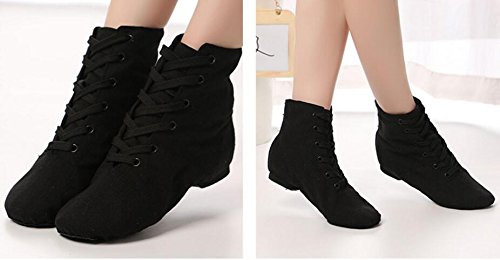
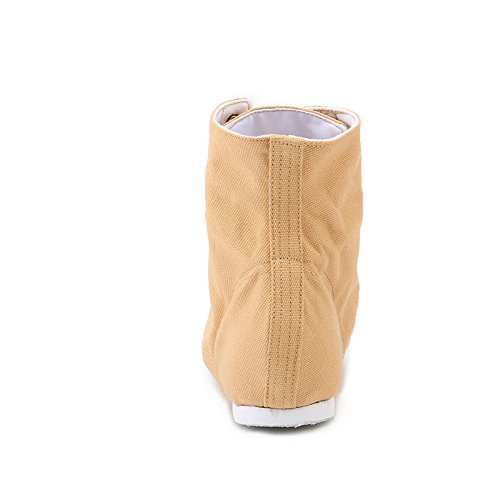
Sizing in dance is notoriously different from standard street shoe sizing. A dance shoe that is too loose will cause the foot to slide inside the shoe, leading to friction blisters and a loss of control. A shoe that is too tight will restrict blood flow and impede the ability to point the foot. When trying on shoes, ensure there is enough room for your toes to wiggle slightly, but that the heel is securely locked in place. Regarding materials, satin is preferred for aesthetic elegance in classical styles, while canvas and leather offer superior durability for daily rehearsals. Consider the frequency of your use: professional-grade leather will break in and mold to your foot over time, whereas cheaper synthetic materials may lose their shape quickly.
Summary Checklist for Buyers
- Surface Compatibility: Does the sole material match your studio floor (Suede vs. Leather vs. Rubber)?
- Articulation: Can you fully extend your arch and move your toes freely?
- Stability: Does the heel and ankle feel secure during weight shifts?
- Sound (if applicable): For percussion-based dance, is the tap weight appropriate for your skill level?