Evaluate the Artistic Technique and Detail
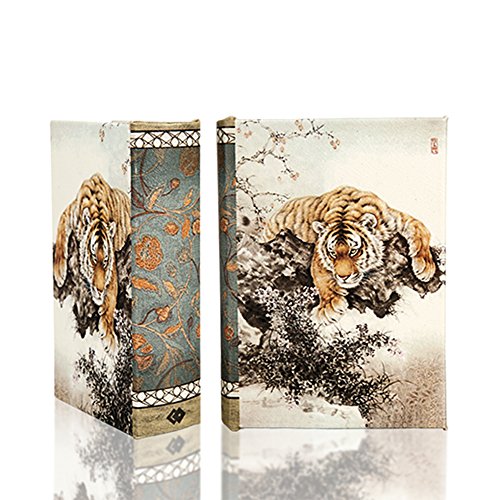
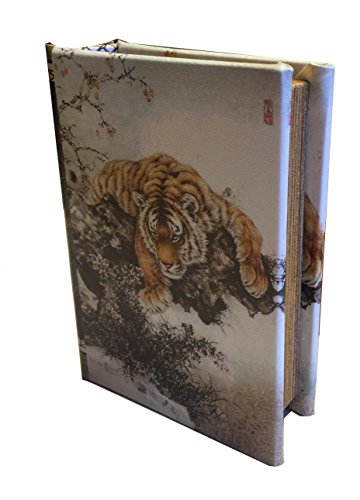
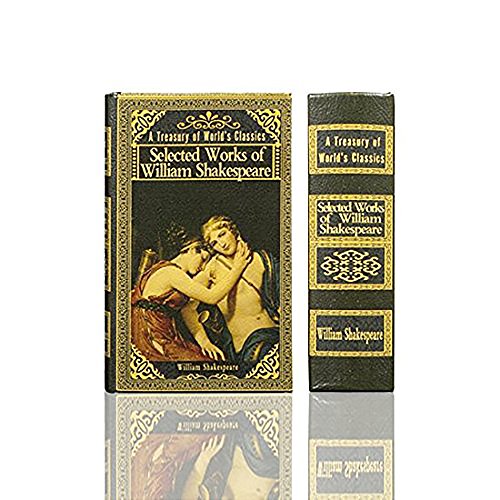
The primary appeal of a high-quality decorative box lies in its visual narrative. When browsing this category, look closely at the application of patterns. Are the designs hand-painted or printed? Hand-painted pieces often feature subtle variations in brushstroke and texture that give the box a unique, soulful character. Pay attention to the precision of the motifs—whether they are floral, geometric, or traditional folk patterns. A superior box will have clean lines and no bleeding of colors between different sections of the design. The depth of color and the vibrancy of the pigments are also key indicators of the quality of the finishing process.
Material Composition and Durability
The longevity of your decorative box is dictated by its base material. Most premium boxes are constructed from high-quality wood, which provides a sturdy frame and a resonant feel when handled. Hardwoods are preferable for long-term durability as they resist warping and cracking. If you are looking for something more lightweight, high-grade lacquered composites may be an option, but ensure the lacquer is thick enough to prevent chipping. Additionally, consider the weight. A box that feels too light often lacks the structural density required to protect its contents from external pressure or accidental drops.
Hinge Quality and Functional Mechanics
A decorative box is a functional object, meaning the way it opens and closes is just as important as how it looks. Examine the hinges carefully. They should be securely fastened to the body of the box and operate with a smooth, silent motion. Avoid boxes where the lid feels loose or requires force to close, as this can lead to premature wear on the decorative finish. For boxes intended to hold valuable jewelry, look for lids that provide a snug fit to minimize dust accumulation. If the box includes a clasp or latch, ensure it is tactile and holds firmly without feeling flimsy.
Interior Lining and Protection
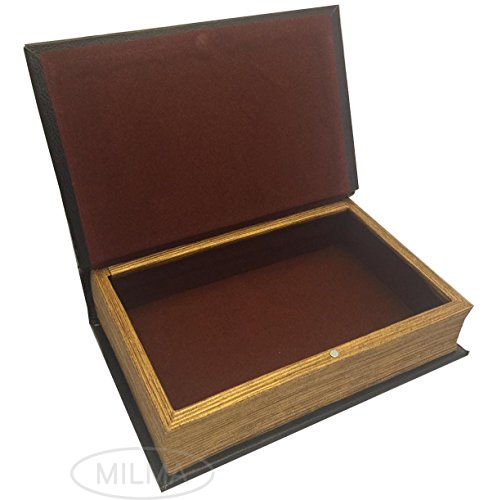
What happens inside the box is just as vital as the exterior. If you intend to store delicate items like silver rings, pearls, or antique coins, the interior must be lined with a soft, non-abrasive material. Velvet, satin, or high-quality felt are the gold standards for interior linings. These materials prevent scratches and provide a cushioned environment. Check that the lining is seamlessly integrated and does not bunch up or peel away from the corners, as poor interior construction is often a sign of a rushed manufacturing process.
Scale, Proportion, and Purpose
Before finalizing your purchase, define the box's primary role. A large, ornate box serves as a statement piece for a living room, perhaps for holding remote controls or coasters, and should be scaled to match your furniture. A smaller, more intimate box is better suited for a nightstand or dressing table to hold rings and earrings. Consider the dimensions relative to the items you plan to store. A box that is too small will feel cluttered, while one that is too large may lose its sense of elegance and become an inefficient use of space.