Material Composition and Weather Resistance
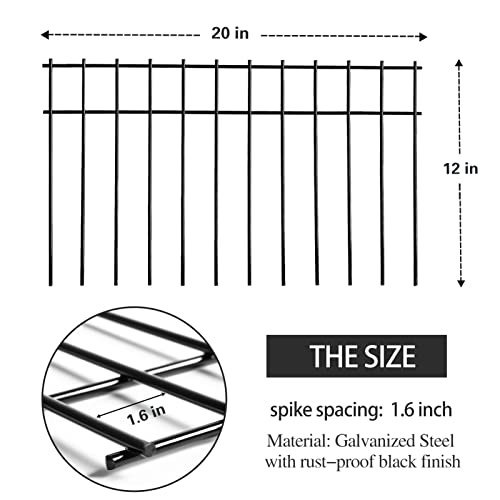
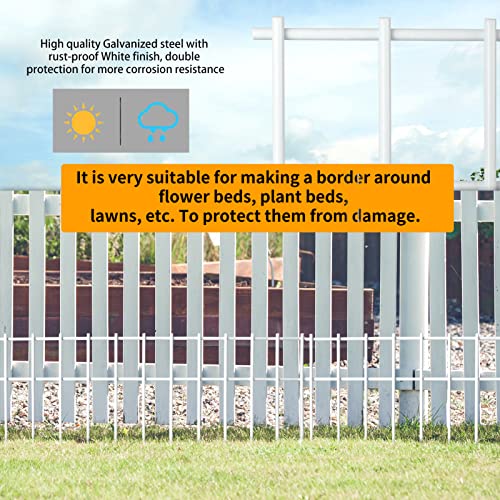
The first decision factor for any decorative fence is the material. Because these products are frequently exposed to direct sunlight, moisture, and soil contact, durability is non-negotiable. Many decorative options utilize high-grade polymers or treated metals that resist warping and rust. If you are installing the fence near heavy irrigation or in a high-humidity environment, look for materials that are UV-stabilized to prevent fading and moisture-resistant to prevent rot. A fence that looks beautiful in the showroom but cracks after one summer of intense heat is a poor investment. Consider the weight of the material as well. Lighter composite materials are easier for DIY installation, whereas heavier metal components may offer a more premium, permanent feel.
Design Style and Architectural Integration
Decorative fencing is, by definition, an aesthetic choice. You must consider how the pattern and silhouette of the fence will interact with your existing landscape. For a formal, traditional garden, look for intricate lattice patterns or classic picket styles that evoke a sense of timelessness. For modern or minimalist landscapes, clean lines, geometric shapes, and monochromatic finishes are more appropriate. Pay close attention to the 'visual weight' of the design. A dense, solid-panel fence creates a strong sense of privacy and separation, while a thin, open-slat design maintains sightlines, making a small garden feel larger and more integrated.
Installation Complexity and Versatility
Before purchasing, evaluate your technical skill level and the tools required for setup. Some decorative fences are designed as modular, 'plug-and-play' systems that can be easily staked into the ground, making them ideal for renters or those who enjoy seasonal garden refreshes. Others may require more permanent mounting solutions, such as drilling into pavers or setting posts in concrete. Consider the versatility of the product: Can it be extended easily if you decide to expand your garden later? Does it come with adjustable height components? A versatile system allows your landscaping to evolve alongside your home.
Functional Purpose: Border vs. Partition
Identify the primary job the fence needs to perform. Is it a 'border fence' meant to keep mulch in place and define the edge of a garden bed? If so, low-profile, lightweight designs are best. Is it a 'partition fence' intended to create a visual barrier between a dining area and a play area? In this case, you will need more height and structural rigidity. Understanding whether you need a subtle accent or a functional divider will narrow your choices significantly and prevent the mistake of buying a product that is either too flimsy for its purpose or too imposing for its intended location.