Material Durability and Weather Resistance
The most critical decision factor when purchasing decorative stakes is the material composition. Because these items live outdoors, they are subject to UV exposure, moisture, and temperature fluctuations. Metal stakes—specifically wrought iron, powder-coated steel, or aluminum—are the gold standard for longevity. Powder-coated options are particularly effective because the coating acts as a shield against rust and chipping. If you are looking for a rustic, vintage aesthetic, hand-forged iron provides a heavy, high-quality feel that settles deeply into the soil. For those in coastal environments where salt air can corrode metal, look for high-grade aluminum or treated stainless steel to prevent premature degradation.
Style and Aesthetic Cohesion
Decorative stakes should enhance your garden's existing theme rather than clash with it. If your garden follows a formal, structured layout, opt for symmetrical designs, metallic finishes, or stylized botanical silhouettes that mimic real flora. For a whimsical or bohemian garden, look for brightly colored glass, resin, or mosaic-style stakes that catch the light and add a playful pop of color. Consider the 'visual weight' of the stake. A thin, delicate wire stake works beautifully tucked into a dense perennial bed, whereas a thicker, more substantial stake is better suited for standing alone in a manicured lawn or a large ceramic planter.
Height and Stability Factors
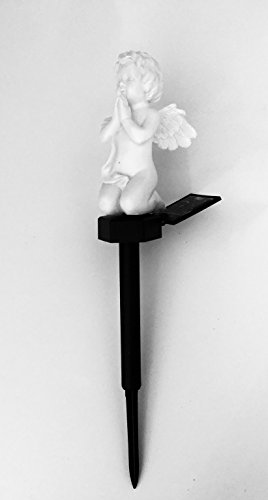
A common mistake is purchasing stakes that are too short for their intended environment. A stake that is too shallow will lean or fall over during heavy rain or wind, becoming an eyesore rather than an accent. When choosing, consider the depth of the soil and the height of the surrounding plants. If you are placing stakes among tall sunflowers or shrubs, you will need longer stems to ensure the decorative element is visible. Conversely, for groundcover areas, shorter, more compact stakes prevent them from looking like they are 'floating' awkwardly above the greenery. Look for stakes with a wide base or a tapered point that allows for easy, deep insertion into various soil types, from sandy loam to heavy clay.
Artistic Detail and Craftsmanship
The difference between a budget garden ornament and a centerpiece lies in the details. High-quality stakes often feature intricate textures—such as simulated petal veins on metal leaves or realistic color gradients in glasswork. If you are purchasing resin stakes, inspect the molding to ensure the edges are smooth and the colors appear integrated rather than painted on the surface, which can peel over time. For those who enjoy seasonal changes, look for modular stakes or sets that allow you to swap out different floral heads, giving you a versatile tool for decorating throughout spring, summer, and autumn.