Material Composition and Weather Resistance
The most critical factor in selecting garden stakes is the material used for construction. Because these items are perpetually exposed to rain, UV rays, and fluctuating soil moisture, durability is non-negotiable. High-quality stakes are typically crafted from powder-coated steel, wrought iron, or heavy-duty resin. Powder coating is particularly advantageous as it provides a protective barrier against rust and prevents the decorative finish from peeling or fading under intense sunlight. If you are opting for metal designs, look for weather-resistant finishes that specify UV protection. For those in coastal environments, stainless steel or treated alloys are preferable to prevent salt-air corrosion. Avoid lightweight, thin plastics if you intend to use them in high-wind areas, as these can easily topple or crack over time.
Design Style and Visual Harmony
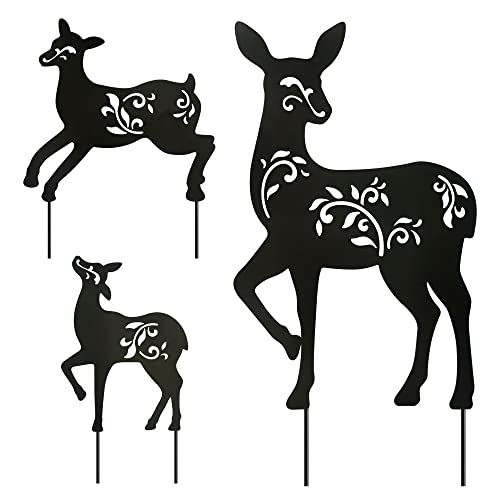
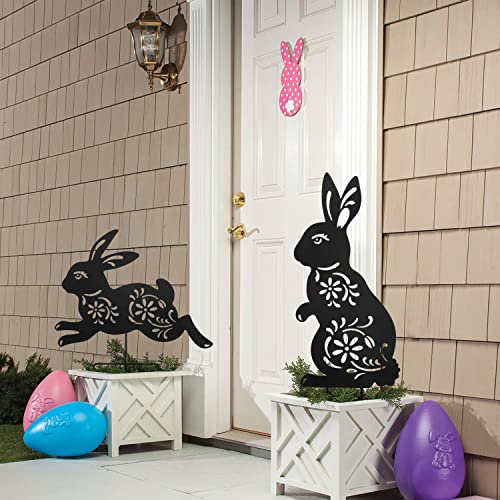
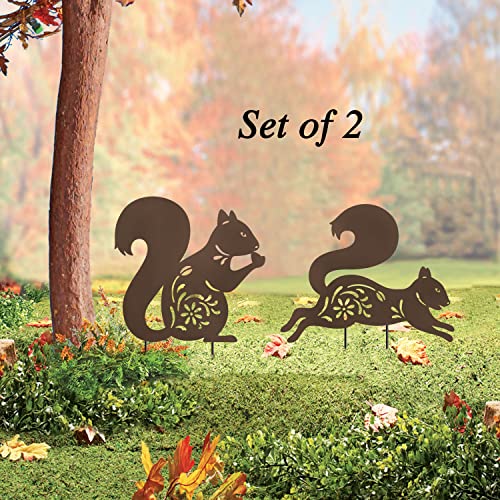
Decorative stakes should complement, rather than clash with, your existing garden architecture. When selecting a design, consider the 'visual weight' of the piece. Intricate, filigree-style metal stakes work beautifully in cottage gardens filled with soft textures like lavender and roses. Conversely, geometric or minimalist silhouettes are better suited for modern, xeriscaped, or Zen-inspired gardens. Consider the color palette as well: bright, vibrant colors can act as pops of interest in a green-heavy landscape, while muted bronze or black finishes offer a timeless, sophisticated look that blends into the shadows of dense foliage. Think about how the stake will look from different angles—will it be a centerpiece viewed from the patio, or a subtle accent seen from a distance?
Stability and Stake Depth
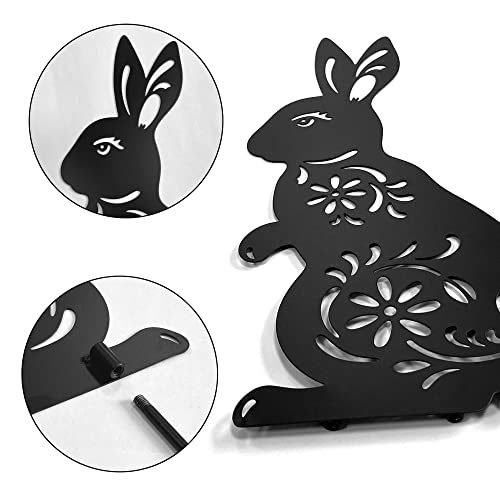
A common frustration with decorative garden accents is instability. A stake that leans or wobbles after the first heavy rain detracts from the garden's polished look. To ensure longevity, examine the length of the ground-insertion portion. A longer, thicker spike provides better leverage and stability in loose or sandy soil. If you are placing stakes in large ceramic planters, look for designs that include a weighted base or a slightly wider diameter to prevent them from tipping when the plant grows or when wind catches the decorative top. For areas with heavy wind, kinetic or wind-spinner stakes require a deeper, more robust anchoring system to prevent them from being uprooted.
Functionality: Aesthetic vs. Kinetic
Decide whether you want your stakes to be static or dynamic. Static stakes act as permanent sculptures, providing a consistent visual element regardless of weather. Kinetic stakes, which feature moving parts like spinning blades or swaying elements, add a sense of life and movement to the garden. Kinetic pieces are excellent for breaking up the stillness of a garden and can even serve a dual purpose by deterring certain birds. However, keep in mind that moving parts introduce more mechanical points of failure. Ensure that any kinetic design uses high-quality bearings or pivot points that are designed to withstand moisture without seizing up.
Recommendation Logic
When making your final selection, follow this hierarchy: First, prioritize material durability based on your local climate. Second, match the silhouette to your garden's design language (Cottage, Modern, or Traditional). Third, verify the depth of the stake to ensure it can withstand your specific soil type. By following this logic, you ensure that your decorative accents remain a beautiful part of your landscape for seasons to come, rather than becoming a maintenance headache.